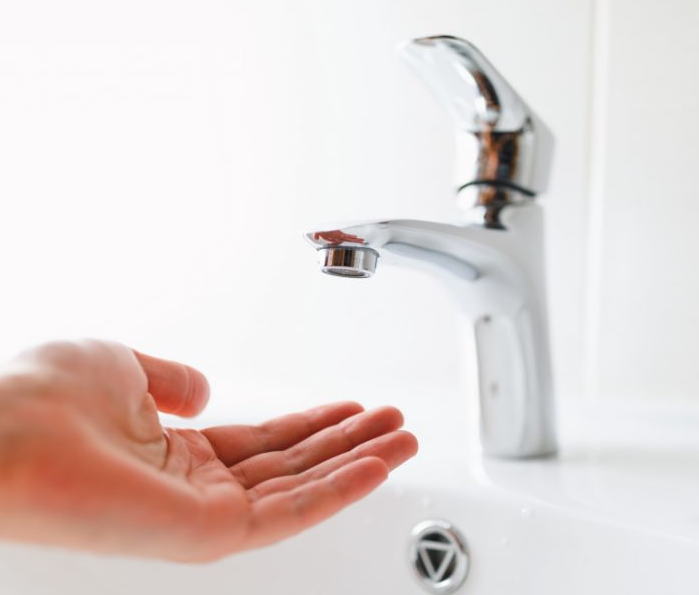
When to Call a Plumber for Low Water Pressure
Low water pressure can be more than a minor inconvenience—it can indicate underlying plumbing issues that might worsen over time if left unaddressed. While some low water pressure issues can be resolved with basic DIY fixes, others call for professional expertise. Here’s a comprehensive guide on how to identify the causes of low water pressure, when to try a quick fix, and when it’s time to call a plumber to ensure your home’s plumbing system runs smoothly. Understanding Low Water Pressure Low water pressure occurs when water flow from faucets or showerheads is weaker than usual. It can be felt as a sluggish trickle or reduced spray strength, making tasks like showering, washing dishes, and doing laundry much less efficient. For most households, normal water pressure is typically around 45-60 psi (pounds per square inch). Anything below this range can disrupt your daily routine and, over time, cause wear and tear on appliances that rely on proper water pressure. Common Causes of Low Water Pressure There are various reasons why your home might experience low water pressure, ranging from minor issues to significant plumbing concerns. Here are some of the most common causes: Sediment and Mineral Buildup Over time, minerals from hard water can accumulate inside pipes, fixtures, and appliances, restricting water flow. If you live in an area with hard water, mineral buildup is likely and can lead to gradual pressure loss. Leaks in the Plumbing System A leak anywhere in the plumbing system can reduce water pressure because water that should reach your faucets is escaping elsewhere. This is not only wasteful but can also cause structural damage if left unattended. Old or Corroded Pipes Older homes often have galvanized steel pipes prone to corrosion over time. Corrosion can cause blockages, reducing water flow and leading to uneven pressure throughout the house. Faulty Pressure Regulator A pressure regulator is designed to maintain steady water pressure. However, if it malfunctions, it can result in excessively high or low pressure, affecting your fixtures’ efficiency and longevity. Clogged Aerators or Showerheads Aerators and showerheads can become clogged with debris, sediment, and mineral deposits, especially if the water is hard. Fortunately, these are often easy to clean or replace. Main Water Valve Issues The main water valve controls the flow of water into your home. If it’s partially closed or obstructed, it can restrict water flow and cause lower pressure throughout the home. Municipal Supply Issues Sometimes, low water pressure is beyond your control and may be due to issues with the municipal water supply. Contact your water utility company to verify if they’re conducting maintenance or experiencing system issues. When to Try DIY Fixes for Low Water Pressure While it’s wise to contact a plumber for complex issues, some low water pressure cases are simple enough to troubleshoot yourself. Here’s when to try a DIY fix before calling in a professional. 1. Clean Faucet Aerators and Showerheads Mineral buildup on faucet aerators or showerheads can cause pressure drops. You can remove these fixtures and soak them in vinegar for an hour to dissolve the deposits. Once they’re clean, reinstall them to see if pressure improves. 2. Check Your Main Shutoff Valve Sometimes, low water pressure is due to a partially closed shutoff valve. Locate the valve, which is typically found near your water meter, and ensure it’s fully open. Turn it counterclockwise to maximize water flow. 3. Look for Signs of Leaks Leaks can be a significant cause of low water pressure. Check for damp spots, water stains on walls or ceilings, and unexplained puddles around pipes. If you find a visible leak, shutting off the water supply and calling a plumber is advised. 4. Test All Faucets If only one or two faucets exhibit low water pressure, the issue may be isolated to those specific fixtures. Try cleaning or replacing their aerators or cartridges. However, if the problem persists across multiple fixtures, it might be due to a larger system issue requiring professional assistance. When to Call a Plumber for Low Water Pressure If your DIY efforts don’t resolve the problem, it’s best to consult a professional plumber. Here are the key signs that indicate it’s time to call in an expert. 1. Persistent Low Water Pressure in the Whole House If every faucet and fixture throughout the house has consistently low water pressure, this could signal a systemic issue. Causes might include an aging or failing pressure regulator, issues with your main water valve, or even a blockage in the main water line. A plumber can diagnose the root cause and perform necessary repairs or replacements to restore normal pressure. 2. Signs of Corrosion or Rust in Pipes If your home has older plumbing, especially galvanized steel pipes, corrosion may be to blame. Rust-colored water, odd-tasting water, or water pressure that fluctuates randomly can all point to corroded pipes. Since corroded pipes often need to be replaced, a professional plumber can inspect and recommend a course of action, whether it’s repiping specific sections or the entire system. 3. Suspected Leak That You Can’t Locate A hidden leak can be difficult to pinpoint, especially if it’s behind walls or beneath floors. Persistent low pressure combined with damp spots, mold growth, or the sound of running water when no fixtures are on could all indicate a hidden leak. A plumber has the tools to detect leaks accurately, often using specialized equipment like infrared cameras and acoustic leak detection. 4. Problems with Your Pressure Regulator A faulty pressure regulator can lead to uneven water pressure. If you experience extreme fluctuations or low pressure throughout the home, a plumber can check if the regulator needs adjustment or replacement. 5. Issues with the Water Heater Sometimes, low water pressure only affects hot water, which might mean there’s an issue with your water heater. Sediment buildup in the tank, a malfunctioning valve, or corroded pipes around the water heater could all impact pressure. In such cases, a plumber can flush the tank, replace faulty