What’s Causing Your Basement to Flood?
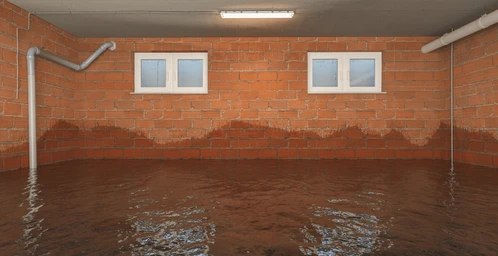
A flooded basement is a homeowner’s nightmare. Not only does it cause significant damage to your property, but it can also lead to serious health issues due to mold growth. Understanding the causes of basement flooding can help prevent future incidents and protect your home from costly repairs. In this article, we’ll explore the most common reasons your basement might be flooding and provide tips on how to address these issues effectively. 1. Poor Drainage System One of the leading causes of basement flooding is poor drainage around your home. When your property lacks a proper drainage system, rainwater or melting snow can accumulate around the foundation and seep into your basement. Over time, this can lead to water damage, cracked foundations, and a damp basement. To prevent poor drainage, it’s essential to ensure that your gutters and downspouts are working correctly. Gutters should be free of debris, and downspouts should direct water at least five to ten feet away from your foundation. You may also want to consider installing a French drain or other landscaping solutions to help water flow away from your home. 2. Foundation Cracks Over time, the foundation of your home can develop small cracks due to natural settling, temperature changes, or poor construction practices. These cracks can provide an easy entry point for water during heavy rainfall or snowmelt. If left unaddressed, these cracks can widen and lead to more significant structural problems, not to mention repeated basement flooding. It’s crucial to regularly inspect your foundation for cracks, especially around window wells or corners. Small cracks can be sealed with waterproof epoxy or urethane injections, while more significant structural damage may require professional repair. Addressing these issues early can save you from more expensive repairs down the road. 3. Faulty Sump Pump A sump pump is designed to remove excess water from your basement and prevent flooding. However, if your sump pump is faulty or isn’t properly maintained, it can fail to do its job when you need it the most. Whether it’s due to a power outage, a malfunction, or a clogged pump, a sump pump failure can result in severe basement flooding. To avoid sump pump issues, test your pump regularly to ensure it’s functioning correctly. Consider installing a battery backup system to keep the pump running during power outages. Additionally, routine maintenance like cleaning the sump pit and checking for blockages can help extend the life of your pump and keep your basement dry. 4. Poorly Sealed Windows and Doors Windows and doors are common points of entry for water in your basement. If they aren’t properly sealed, rainwater can leak through and accumulate in your basement, especially during storms or heavy rainfall. Basement windows that are located below ground level are particularly vulnerable to water infiltration. Ensure that all windows and doors are well-sealed and that there is proper caulking around the frames. Window wells can also be a problem area, so make sure they are properly covered or drained to prevent water buildup. Regularly checking and replacing old, cracked seals is a simple and effective way to keep water out of your basement. 5. Clogged Gutters and Downspouts Clogged gutters are a common cause of basement flooding. When leaves, twigs, and other debris accumulate in your gutters, it prevents rainwater from flowing away from your home. Instead, the water overflows and pools around the foundation, leading to basement flooding over time. To avoid this issue, make it a habit to clean your gutters regularly, especially during the fall when leaves are abundant. Installing gutter guards can help reduce the amount of debris that collects in your gutters, making maintenance easier. Ensuring that downspouts direct water far enough away from the foundation will also help prevent water from entering your basement. 6. Sewer Backup Sewer backups are another common cause of basement flooding. During heavy rainstorms, municipal sewer systems can become overwhelmed, causing water to back up into homes through basement drains. This type of flooding can be especially hazardous as it may contain contaminated water. If you live in an area prone to sewer backups, consider installing a backwater valve in your basement. This valve can prevent sewage from entering your home by automatically closing when water starts to flow in the wrong direction. Regularly maintaining your plumbing system and avoiding flushing non-degradable materials down your drains can also help prevent backups. 7. Poorly Graded Landscaping The way your yard is graded plays a significant role in directing water away from your home’s foundation. If the ground around your home slopes towards the foundation, rainwater will naturally flow towards your basement, increasing the risk of flooding. To correct poor grading, regrade the soil around your home so that it slopes away from the foundation. You can also install drainage systems, such as French drains or swales, to help channel water away from your home. Proper landscaping can make a significant difference in preventing basement floods. 8. Heavy Rainfall or Snowmelt Sometimes, even the best-maintained homes are at risk of flooding due to extreme weather conditions. Heavy rainfall or rapid snowmelt can overwhelm drainage systems, sump pumps, and foundations, leading to water intrusion in the basement. While you can’t control the weather, you can take preventative measures to protect your basement. Ensure your home’s drainage systems are functioning correctly, and consider adding additional waterproofing measures like sealing your basement walls or installing a waterproof membrane around your foundation. During times of extreme weather, monitor your basement for signs of water buildup and address any issues immediately. 9. Leaking Pipes or Appliances Another potential source of basement flooding is leaking pipes or malfunctioning appliances, such as washing machines or water heaters. Over time, pipes can corrode or become damaged, leading to leaks that may go unnoticed until significant water damage has occurred. Inspect your plumbing regularly for signs of leaks, such as damp walls, dripping sounds, or an increase in your water bill. If you suspect a leak, address it as