Geothermal

AC Installation, AC Repair Frisco TX, AC Repair McKinney TX, AC Repair Plano TX, Air Conditioning, Energy Efficiency, Geothermal, Uncategorized

How to Handle an Overflowing Toilet Without Panic

Dealing with an overflowing toilet can be an unsettling experience. It’s one of those household emergencies that catches many homeowners off-guard, causing panic and stress. However, the situation doesn’t have to spiral out of control if you follow a step-by-step approach to resolve the issue calmly. In this guide, we will explain how to handle an overflowing toilet with confidence, making sure you minimize damage and restore order swiftly. 1. Understand the Cause of the Overflow The first step in managing an overflowing toilet is understanding why it’s happening. An overflow occurs when water fills the bowl and can’t drain properly. This is usually caused by a blockage in the plumbing system, which prevents water from passing through the pipes as it should. The most common causes include: Clogged Pipes: Items like excessive toilet paper, sanitary products, wipes, or foreign objects can get stuck in the pipes, obstructing the flow. Faulty Float Mechanism: If the toilet’s float mechanism (inside the tank) malfunctions, the tank may continue to fill with water, leading to overflow. Sewer Line Issues: In more severe cases, the sewer line might be blocked, causing backups that lead to toilet overflow. Knowing what caused the overflow is helpful because it informs how to approach the fix. If it’s a simple clog, you might be able to resolve it yourself. But if it’s a more serious problem, like a sewer line blockage, you’ll need professional help. 2. Turn Off the Water Supply When you notice that your toilet is overflowing, the first thing to do is stop the water from flowing into the bowl. Look behind or around your toilet for a shutoff valve. This valve, often located on the wall, can be turned clockwise to cut off the water supply immediately. If the shutoff valve is stuck or hard to turn, you can remove the lid of the toilet tank and manually stop the water flow. To do this: Lift the float (the ball or cup-shaped device) upward. This action should stop the water from filling the tank. Alternatively, reach down to the flapper (the rubber or plastic component at the bottom of the tank) and close it. This stops water from flowing into the bowl. Once the water supply is shut off, you can begin assessing the situation without worrying about additional overflow. 3. Plunge the Toilet Carefully If the overflow is due to a clog, your next move is to use a plunger. Make sure you have a good-quality plunger with a flange at the bottom that creates a tight seal in the toilet bowl. Here’s how to plunge effectively: Position the Plunger: Place the plunger directly over the hole at the bottom of the toilet bowl, ensuring it creates a tight seal. Push and Pull: Start by pushing down gently. If you push too forcefully, you might splash water. Once you establish a seal, plunge with more vigor, using both downward and upward strokes. Keep Plunging: Continue plunging for about 20-30 seconds. You may need to repeat this process a few times before the clog dislodges. Once the water begins to drain and the clog clears, flush the toilet to check if it operates normally. If the toilet still overflows or doesn’t drain properly, it may be time to call a professional plumber. 4. Clean Up the Overflowing Water After you’ve resolved the clog, it’s time to deal with the mess. Toilet overflow water can be unsanitary, so it’s essential to clean it up quickly to prevent damage and maintain hygiene. Follow these steps: Wear Protective Gear: Before cleaning up, wear rubber gloves to protect your hands. If the overflow is extensive, you might also want to wear boots and use towels or paper towels to create a barrier between the water and your floor. Soak Up the Water: Use towels, mops, or a wet-dry vacuum to soak up the water. Remove as much water as possible to prevent damage to your flooring. Disinfect the Area: After the water is removed, disinfect the area with a mixture of water and bleach (1:10 ratio) to eliminate bacteria and prevent contamination. Ventilate: Open windows and use fans to dry the space quickly. This will prevent mold and mildew from developing. 5. Prevent Future Overflows Once the immediate problem is under control, it’s essential to take preventive measures to ensure this doesn’t happen again. Here are some tips to keep your toilet functioning properly: Be Mindful of What You Flush: Only flush toilet paper and human waste. Avoid flushing sanitary products, wipes, or any foreign objects. Regular Maintenance: Schedule regular inspections and maintenance for your plumbing system. Chrome Heating Air Conditioning in Plano, TX, offers comprehensive plumbing services, including drain cleaning, to help prevent blockages. Upgrade Your Toilet: If your toilet is older, consider upgrading to a newer, more efficient model. Modern toilets use less water and are less prone to overflows caused by faulty mechanisms. 6. Know When to Call a Professional While many toilet overflows can be managed with quick thinking and the right tools, there are times when calling a professional is the best course of action. Here are a few situations where you should seek expert help: Persistent Clogs: If the toilet keeps clogging despite your best efforts, it could be a sign of a more significant problem, such as an issue with your sewer line. Slow Draining: If your toilet drains slowly, even after plunging, it may indicate a partial blockage that requires professional equipment to remove. Sewer Line Blockages: If you suspect a sewer line blockage, such as when multiple drains in your home are affected, you’ll need the expertise of a plumber to diagnose and fix the problem. For residents in the Plano, TX area, Chrome Heating Air Conditioning provides reliable plumbing services that can resolve even the most challenging overflow issues. Their team of professionals is equipped with the latest tools to diagnose and fix any plumbing issue, ensuring your toilet works correctly. 7. What to Expect From a
AC Installation, AC Repair Frisco TX, AC Repair McKinney TX, AC Repair Plano TX, Air Conditioning, Energy Efficiency, Geothermal, Uncategorized

5 Common Plumbing Problems and How to Solve Them

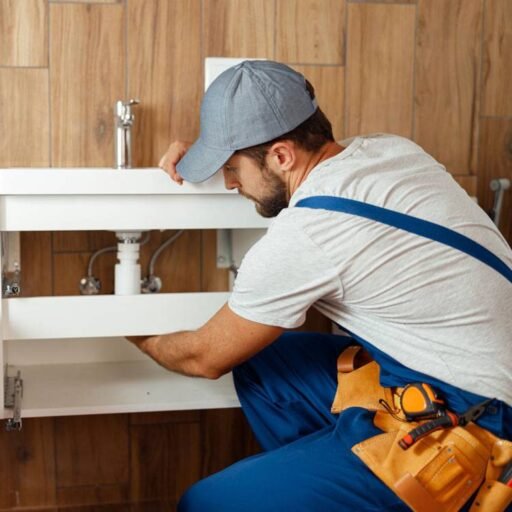
  When it comes to home maintenance, plumbing issues can be one of the most frustrating and disruptive problems you face. The good news is that many common plumbing problems can be fixed with a little know-how and the right tools. In this article, we’ll explore five of the most common plumbing issues and offer solutions, along with highlighting how Chrome Heating Air Conditioning provides professional plumbing services in Garland, TX, Dallas, TX, Frisco, TX, McKinney, TX, and Plano, TX. 1. Leaky Faucets Leaky faucets are a common annoyance that wastes water and can lead to higher utility bills. A worn-out washer, O-ring, or valve seat often causes these leaks. Solution: Start by turning off the water supply to the affected faucet. Dismantle the faucet and inspect the washer or O-ring. Replace any worn parts with new ones from a hardware store, then reassemble the faucet. If the leak persists, it may be a deeper issue that requires professional assistance. Need help? Chrome Heating Air Conditioning offers fast, efficient faucet repair services. Call for assistance in Garland, Frisco, or surrounding areas. 2. Clogged Drains Whether it’s the kitchen sink or the shower, clogged drains are a common headache. They are usually caused by hair, soap scum, or food debris buildup. Solution: For minor clogs, use a plunger or a drain snake. Chemical drain cleaners can be effective, but use them sparingly to avoid pipe damage. For stubborn clogs, call in the professionals to avoid further damage. Need a professional touch? Our plumbing experts at Chrome Heating Air Conditioning are available across Dallas and McKinney to clear tough clogs and ensure smooth water flow. 3. Running Toilets A running toilet can waste up to 200 gallons of water per day. This issue is often caused by a faulty flapper, float, or fill valve. Solution: First, check the flapper to ensure it seals properly. If it’s worn out, replace it. Next, inspect the float and fill valve. Adjusting these components can often resolve the problem. If you are unsure, consult a professional plumber.   4. Low Water Pressure Low water pressure can be frustrating, especially when showering or trying to wash dishes. The causes can range from a clogged aerator to more severe pipe issues. Solution: Clean the aerator on your faucets and showerheads to remove any mineral buildup. If this doesn’t help, it could indicate a larger problem in your plumbing system, such as leaks or pipe blockages.   5. Water Heater Issues No hot water? This could be due to a malfunctioning water heater. Common water heater problems include sediment buildup, thermostat issues, or a faulty heating element. Solution: For sediment buildup, try flushing the tank. If that doesn’t solve the problem, check the thermostat settings. Replacing the heating element or thermostat may be necessary, which is best left to a professional.   Plumbing Services by Chrome Heating Air Conditioning Dealing with plumbing problems can be a hassle, but with the right expertise, you can avoid major headaches and costly repairs. If you’re facing any plumbing issues in Garland, TX, Dallas, TX, Frisco, TX, McKinney, TX, or Plano, TX, the professionals at Chrome Heating Air Conditioning are ready to help. We offer a wide range of plumbing services, including: Leak detection and repair Drain cleaning Water heater installation and repair Pipe repair and replacement Emergency plumbing services Contact us today to schedule a service or for emergency plumbing needs. Our experienced plumbers are just a call away, ensuring your home’s plumbing system runs smoothly.    FAQ What should I do if my faucet is leaking? A leaky faucet is usually caused by a worn-out washer or O-ring. To fix it, turn off the water supply, disassemble the faucet, and replace the damaged parts. If you’re unsure, it’s best to consult a professional. How can I unclog a slow-draining sink? For a slow-draining sink, try using a plunger or a drain snake. You can also use a mixture of baking soda and vinegar followed by hot water. If these methods don’t work, there may be a deeper blockage that requires professional attention. Why is my toilet constantly running, and how can I fix it? A running toilet is often caused by a faulty flapper or fill valve. Replacing the flapper or adjusting the float mechanism should stop the water from running. If these parts are worn out, consider replacing them. How do I prevent low water pressure in my home? Low water pressure can result from clogged pipes or faulty valves. Cleaning aerators, checking for leaks, and ensuring the main water valve is fully open can help. If the problem persists, it might be due to a larger plumbing issue that requires professional service. What causes water heater issues, and how can I resolve them? Common water heater issues include lack of hot water, strange noises, or water leaks. Check the thermostat settings, flush the tank to remove sediment buildup, or replace a faulty pressure relief valve. If the issue continues, contact a plumber for repairs or replacement.  

Plano and Frisco TX homes
Geothermal

What is Geothermal Cooling?

What Is Geothermal Cooling? Geothermal cooling is a method of cooling your home by utilizing the Earth’s consistent temperature. The Earth acts like a heat sink when the system needs to cool your home. A geothermal system is capable of heating your home and providing hot water as well, so you’re getting a three-in-one system. It’s designed to last for 50 years before needing to be replaced. The geothermal heating and cooling system works by transferring heat to or from the Earth based on whether it’s cooling or heating your home. The Earth maintains a temperature of 50 to 70 degrees Fahrenheit. There are two types of systems: open-looped and closed-looped. Factors that determine the system’s design are: Climate Accessibility to groundwater Land availability Soil conditions Accessibility to surface water bodies Go Green with Geothermal Cooling When you’re in the market for a new cooling system, you’ll probably hear that geothermal is one of your options. These systems are increasing in popularity because of their long lifespans and energy efficiency. Geothermal systems are also environmentally friendly. Geothermal cooling DOES NOT involve flames, flues, loud noises or odors. Benefits of Geothermal Cooling Systems Property owners who transition to a geothermal system from a conventional AC may notice up to a 65% drop in their energy bills. These cooling and heating systems can be used in all climates. They are used in all 50 states and across the world in various countries. Geothermal systems usually pay themselves back within 10 years. They don’t require as much maintenance either. Chrome Heating & Air Conditioning offers geothermal installations to clients near Plano, TX, and the surrounding areas. Our technicians are NATE certified and know how to correctly install these systems. We have financing options available on approved credit to help you with the expense. Chrome Heating & Air Conditioning is a family-owned heating and cooling company serving the Plano area. We provide a 100% customer satisfaction guarantee. Heating and cooling services we offer include maintenance, installation, and repair. At Chrome Heating & Air Conditioning, we stay available 24/7 to conduct emergency repairs on heating and cooling systems in the Plano area. We also offer indoor air quality, attic insulation, and plumbing service. Contact us today to learn more.

Scroll to Top
Chrome Logo Web Transparent

Scheduled an Appointment