AC Installation

AC Installation, AC Maintenance

How Often Should You Change Your AC Filter in the Dallas Area?

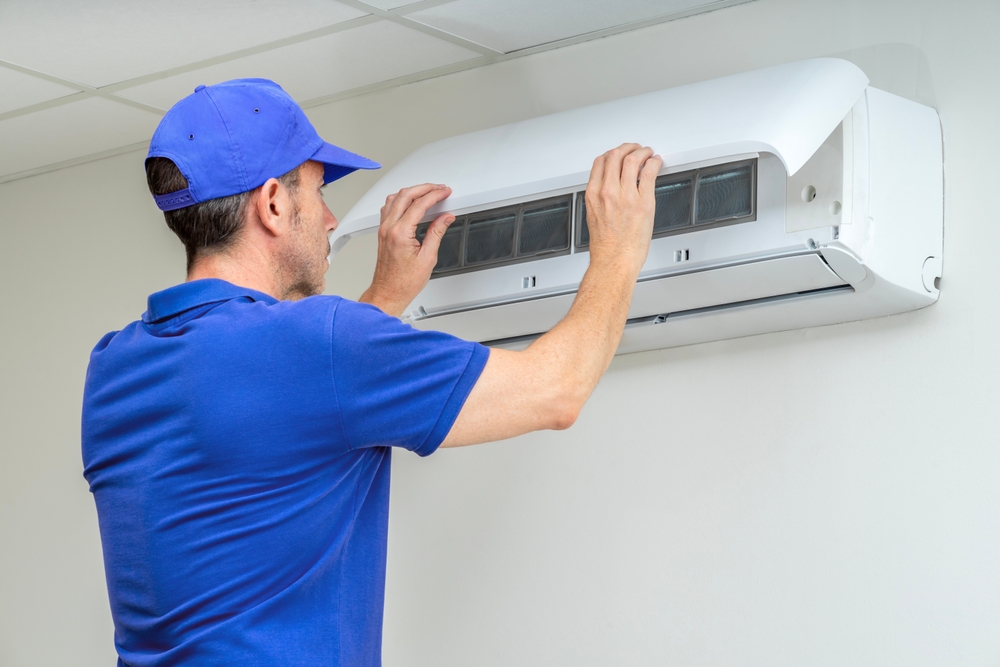
How Often Should You Change Your AC Filter in the Dallas Area? If you’re wondering how often to schedule an AC filter change Dallas TX homeowners should know that there is no single schedule for every household. In general, standard HVAC filters may need replacement every 30 to 90 days, but Dallas conditions can require more frequent changes because of long cooling seasons, dust, pollen, pets, and heavy AC use. A dirty filter can restrict airflow and make your air conditioner work harder. At Chrome Air Conditioning, we help Dallas-area homeowners understand simple maintenance steps that can support reliable cooling and better system performance throughout the Texas heat. How Often Should You Change Your AC Filter? For many homes, checking the filter every month is a good habit. Standard 1-inch filters commonly need replacement every 30 to 90 days, while some thicker media filters can last considerably longer. Always follow the filter manufacturer’s recommendations and inspect the filter regularly. Dallas homeowners may want to replace a standard filter more frequently during periods when the AC is running heavily. Local HVAC guidance commonly recommends checking filters monthly and changing them around every 30–60 days during peak North Texas cooling conditions. If you’re unsure about your schedule, start with a monthly inspection. Why Dallas Homes May Need More Frequent Filter Changes Dallas weather can place significant demands on residential HVAC systems. During summer, your air conditioner may operate for long periods, increasing the amount of air—and airborne particles—passing through the filter. Seasonal pollen, household dust, pet hair, and nearby construction can also cause filters to become dirty faster. Homes with pets or allergy concerns may need more frequent HVAC filter replacement. If your filter looks gray, dusty, or visibly clogged before your normal replacement date, replace it rather than waiting. Signs Your AC Filter Needs to Be Replaced You don’t always need to wait for a calendar reminder. Your AC can provide clues that the filter is becoming restricted. Watch for: Reduced airflow from vents Longer cooling cycles Higher-than-usual energy bills Uneven temperatures between rooms A visibly dirty filter More dust around your home AC performance that seems weaker than normal A clogged filter can restrict airflow and contribute to reduced performance or even problems such as a frozen evaporator coil. If replacing the filter doesn’t solve the problem, the issue may require professional AC service Dallas TX homeowners can rely on. How Often Should You Change Different AC Filters? Not every filter has the same replacement schedule. 1-inch fiberglass filters: These often need to be replaced about every 30 days. 1-inch pleated filters: Depending on the filter and household conditions, replacement may be needed every 30–90 days. 4-inch media filters: These can commonly last around 6–12 months, although actual life depends on usage and household conditions. The filter’s MERV rating can also affect airflow and filtration. Do not automatically choose the highest-rated filter available. Your HVAC system needs to be capable of handling the filter’s resistance to airflow. The EPA recommends consulting an HVAC professional if you’re unsure which filter your system can use. What Happens If You Don’t Change Your AC Filter? Ignoring AC filter change maintenance can cause airflow restrictions and place additional strain on your HVAC system. Your home may take longer to cool, and the system may have to operate for longer periods. A dirty filter can also contribute to coil problems and reduced system performance. Regular air conditioner filter replacement is one of the simplest maintenance tasks you can perform. It costs far less than dealing with a major HVAC problem caused or worsened by restricted airflow. Does Changing Your Filter Help AC Efficiency? Yes, maintaining a clean filter can support proper airflow and efficient system operation. However, replacing a filter is only one part of complete AC maintenance. Professional air conditioning maintenance can identify other issues involving coils, electrical components, refrigerant-related problems, airflow, and other parts of your system. If your AC continues struggling after an AC filter replacement, don’t assume you simply need a better filter. A technician can determine whether another problem is affecting performance. Frequently Asked Questions How often should I change my AC filter in Dallas? A good starting point is to check your filter every month. Many standard filters require replacement every 30–90 days, while Dallas homes with heavy AC use, pets, dust, or other factors may need more frequent changes. What happens if I don’t change my AC filter? A dirty filter can restrict airflow, reduce cooling performance, increase system strain, and contribute to problems such as frozen coils. What is the best AC filter for my home? The correct filter depends on your HVAC system, filter size, airflow requirements, and household needs. Check your manufacturer’s recommendations before selecting a filter with a higher MERV rating. Can I clean and reuse my AC filter? Most standard disposable filters are designed to be replaced rather than washed. If you have a reusable filter, follow its manufacturer’s cleaning instructions. How do I know what AC filter size I need? Remove the existing filter after turning off your HVAC system and check the dimensions printed on its frame. If you’re unsure, an HVAC professional can help identify the correct size. When to Call a Professional Changing your filter is a simple maintenance task, but it cannot fix every AC problem. Contact an HVAC professional if your system continues to have weak airflow, blows warm air, freezes up, runs constantly, makes unusual sounds, or fails to maintain the temperature you set. If you’re searching for AC filter replacement Dallas TX services because you aren’t comfortable handling the filter yourself, professional assistance can also ensure the correct filter is installed properly. At Chrome Air Conditioning, we provide AC maintenance, repairs, tune-ups, and other HVAC services for Dallas-area homeowners. Our team can inspect your system and help identify problems that go beyond a dirty filter. Keep Your Dallas AC Running Smoothly A regular filter routine is one of the easiest ways to take care

AC Making Noise Dallas
AC Installation, AC Maintenance, Air Conditioning

AC Making Noise Dallas: Here’s What Each Sound Means

AC Making Noise Dallas: Here’s What Each Sound Means If your AC which Dallas homeowners commonly experience, has suddenly become louder or different, it is worth paying attention. Air conditioners naturally produce some sound while starting, running, and shutting down, but unusual noises can indicate a developing problem. A buzzing, grinding, rattling, squealing, or hissing sound may point to anything from a loose component to an electrical or refrigerant issue. Ignoring the sound could allow a small problem to become a costly repair, especially during a hot Dallas summer. At Chrome Air Conditioning, we help homeowners understand unusual AC sounds and determine when professional service is needed. What Does a Normal AC Sound Like? Before identifying unusual sounds, it helps to understand what is considered normal. Your air conditioner may produce a steady hum when operating, along with the sound of air moving through your ductwork and vents. You may also hear a brief click when the thermostat signals the system to start or stop. However, if the sound suddenly becomes louder, changes in character, or occurs repeatedly, it deserves attention. A new noise can be an early indication that a component is wearing out or that the system needs maintenance. AC Making a Rattling or Clanking Noise A rattling sound can have several possible causes. Loose screws, panels, ductwork, or other components may vibrate when the system operates. A clanking noise may be more concerning because it could indicate a loose or damaged internal component. In some cases, a blower fan or another moving part may be contacting something it should not. If the noise becomes louder when your AC runs, turn off the system and arrange for professional AC repair Dallas service rather than continuing to operate it unnecessarily. AC Making a Buzzing Noise A buzzing sound can sometimes indicate an electrical issue. Your outdoor condenser contains electrical components that help power the system, and problems involving those components should be handled by a qualified HVAC professional. Buzzing can also be associated with loose parts, a malfunctioning fan motor, or other mechanical problems. Because electrical issues can present safety concerns, homeowners should avoid opening electrical panels or attempting DIY repairs. AC Making a Grinding Noise Grinding is a sound that should not be ignored. It can indicate friction between moving components, potentially involving a motor, blower, or other mechanical part. Continuing to operate the system when it is grinding may cause additional damage. If you hear persistent grinding, shut the system down and contact an HVAC professional. An inspection can determine whether the component needs adjustment, lubrication, repair, or replacement. AC Making a Squealing or Screeching Sound A high-pitched squealing or screeching noise can indicate an issue involving a belt, motor, blower, or another moving component. Older systems may be more likely to develop worn components, particularly if routine HVAC maintenance has been neglected. Do not assume that a loud squeal will disappear on its own. A professional AC tune-up can help identify worn or failing components before they result in a complete breakdown. AC Making a Hissing Sound A hissing sound can sometimes be associated with air escaping through ductwork or pressure moving through the system. However, a persistent hissing sound may also indicate a refrigerant-related issue. Refrigerant problems require professional diagnosis and should not be handled as a DIY repair. If your system is also struggling to cool your home, contact an HVAC professional for an inspection. If your AC not blowing cold air is accompanied by hissing, do not ignore the combination of symptoms. AC Making a Clicking Sound A single click when your system starts or stops can be normal. However, repeated clicking while the system is operating may indicate an electrical or mechanical problem. If your AC repeatedly clicks but does not start correctly, the issue could involve the thermostat, electrical components, or another part of the system. A technician can diagnose the source instead of guessing which component is responsible. AC Making a Banging or Popping Noise A loud bang from your air conditioner should be taken seriously. It may indicate a loose component or an issue involving the blower or other moving parts. Popping sounds can sometimes come from ductwork as metal expands and contracts. Occasional popping may not indicate a major problem, but frequent or unusually loud sounds deserve inspection. If you notice a sudden loud bang followed by poor cooling, turn the system off and arrange for professional service. Why You Shouldn’t Ignore Unusual AC Sounds An unusual sound does not necessarily mean your entire air conditioner needs replacement. In many cases, addressing a developing issue early can prevent additional damage. Regular air conditioning maintenance can also help identify worn components, airflow problems, electrical concerns, and other issues before they become emergencies. Dallas homeowners should be particularly proactive before the summer cooling season because extended periods of hot weather can place significant demand on an AC system. If you hear something unusual, searching for AC repair near me and scheduling an inspection can be better than waiting for the system to stop working completely. Frequently Asked Questions Why is my AC making a loud noise? A loud AC can result from loose components, worn motors, fan problems, electrical issues, ductwork, or other mechanical problems. The type and location of the sound can help a technician determine the likely cause. Is a buzzing AC dangerous? A buzzing noise may be caused by an electrical or mechanical issue. Since electrical components can be hazardous, it is safest to have a qualified HVAC professional inspect the system. Why is my AC making a grinding noise? Grinding can indicate friction or a problem with a motor, blower, bearing, or another moving component. Turn off the system and arrange for professional inspection if the grinding persists. Why is my AC making a hissing noise? Hissing may come from air movement or ductwork, but it can also be associated with refrigerant-related problems. If hissing occurs alongside poor cooling, professional diagnosis is recommended. Can regular

AC Installation, AC Repair Frisco TX, AC Repair McKinney TX, AC Repair Plano TX, Air Conditioning, Energy Efficiency, Geothermal, Uncategorized

How to Handle an Overflowing Toilet Without Panic

Dealing with an overflowing toilet can be an unsettling experience. It’s one of those household emergencies that catches many homeowners off-guard, causing panic and stress. However, the situation doesn’t have to spiral out of control if you follow a step-by-step approach to resolve the issue calmly. In this guide, we will explain how to handle an overflowing toilet with confidence, making sure you minimize damage and restore order swiftly. 1. Understand the Cause of the Overflow The first step in managing an overflowing toilet is understanding why it’s happening. An overflow occurs when water fills the bowl and can’t drain properly. This is usually caused by a blockage in the plumbing system, which prevents water from passing through the pipes as it should. The most common causes include: Clogged Pipes: Items like excessive toilet paper, sanitary products, wipes, or foreign objects can get stuck in the pipes, obstructing the flow. Faulty Float Mechanism: If the toilet’s float mechanism (inside the tank) malfunctions, the tank may continue to fill with water, leading to overflow. Sewer Line Issues: In more severe cases, the sewer line might be blocked, causing backups that lead to toilet overflow. Knowing what caused the overflow is helpful because it informs how to approach the fix. If it’s a simple clog, you might be able to resolve it yourself. But if it’s a more serious problem, like a sewer line blockage, you’ll need professional help. 2. Turn Off the Water Supply When you notice that your toilet is overflowing, the first thing to do is stop the water from flowing into the bowl. Look behind or around your toilet for a shutoff valve. This valve, often located on the wall, can be turned clockwise to cut off the water supply immediately. If the shutoff valve is stuck or hard to turn, you can remove the lid of the toilet tank and manually stop the water flow. To do this: Lift the float (the ball or cup-shaped device) upward. This action should stop the water from filling the tank. Alternatively, reach down to the flapper (the rubber or plastic component at the bottom of the tank) and close it. This stops water from flowing into the bowl. Once the water supply is shut off, you can begin assessing the situation without worrying about additional overflow. 3. Plunge the Toilet Carefully If the overflow is due to a clog, your next move is to use a plunger. Make sure you have a good-quality plunger with a flange at the bottom that creates a tight seal in the toilet bowl. Here’s how to plunge effectively: Position the Plunger: Place the plunger directly over the hole at the bottom of the toilet bowl, ensuring it creates a tight seal. Push and Pull: Start by pushing down gently. If you push too forcefully, you might splash water. Once you establish a seal, plunge with more vigor, using both downward and upward strokes. Keep Plunging: Continue plunging for about 20-30 seconds. You may need to repeat this process a few times before the clog dislodges. Once the water begins to drain and the clog clears, flush the toilet to check if it operates normally. If the toilet still overflows or doesn’t drain properly, it may be time to call a professional plumber. 4. Clean Up the Overflowing Water After you’ve resolved the clog, it’s time to deal with the mess. Toilet overflow water can be unsanitary, so it’s essential to clean it up quickly to prevent damage and maintain hygiene. Follow these steps: Wear Protective Gear: Before cleaning up, wear rubber gloves to protect your hands. If the overflow is extensive, you might also want to wear boots and use towels or paper towels to create a barrier between the water and your floor. Soak Up the Water: Use towels, mops, or a wet-dry vacuum to soak up the water. Remove as much water as possible to prevent damage to your flooring. Disinfect the Area: After the water is removed, disinfect the area with a mixture of water and bleach (1:10 ratio) to eliminate bacteria and prevent contamination. Ventilate: Open windows and use fans to dry the space quickly. This will prevent mold and mildew from developing. 5. Prevent Future Overflows Once the immediate problem is under control, it’s essential to take preventive measures to ensure this doesn’t happen again. Here are some tips to keep your toilet functioning properly: Be Mindful of What You Flush: Only flush toilet paper and human waste. Avoid flushing sanitary products, wipes, or any foreign objects. Regular Maintenance: Schedule regular inspections and maintenance for your plumbing system. Chrome Heating Air Conditioning in Plano, TX, offers comprehensive plumbing services, including drain cleaning, to help prevent blockages. Upgrade Your Toilet: If your toilet is older, consider upgrading to a newer, more efficient model. Modern toilets use less water and are less prone to overflows caused by faulty mechanisms. 6. Know When to Call a Professional While many toilet overflows can be managed with quick thinking and the right tools, there are times when calling a professional is the best course of action. Here are a few situations where you should seek expert help: Persistent Clogs: If the toilet keeps clogging despite your best efforts, it could be a sign of a more significant problem, such as an issue with your sewer line. Slow Draining: If your toilet drains slowly, even after plunging, it may indicate a partial blockage that requires professional equipment to remove. Sewer Line Blockages: If you suspect a sewer line blockage, such as when multiple drains in your home are affected, you’ll need the expertise of a plumber to diagnose and fix the problem. For residents in the Plano, TX area, Chrome Heating Air Conditioning provides reliable plumbing services that can resolve even the most challenging overflow issues. Their team of professionals is equipped with the latest tools to diagnose and fix any plumbing issue, ensuring your toilet works correctly. 7. What to Expect From a

AC Installation, AC Repair Frisco TX, AC Repair McKinney TX, AC Repair Plano TX, Air Conditioning, Energy Efficiency, Geothermal, Uncategorized

5 Common Plumbing Problems and How to Solve Them

  When it comes to home maintenance, plumbing issues can be one of the most frustrating and disruptive problems you face. The good news is that many common plumbing problems can be fixed with a little know-how and the right tools. In this article, we’ll explore five of the most common plumbing issues and offer solutions, along with highlighting how Chrome Heating Air Conditioning provides professional plumbing services in Garland, TX, Dallas, TX, Frisco, TX, McKinney, TX, and Plano, TX. 1. Leaky Faucets Leaky faucets are a common annoyance that wastes water and can lead to higher utility bills. A worn-out washer, O-ring, or valve seat often causes these leaks. Solution: Start by turning off the water supply to the affected faucet. Dismantle the faucet and inspect the washer or O-ring. Replace any worn parts with new ones from a hardware store, then reassemble the faucet. If the leak persists, it may be a deeper issue that requires professional assistance. Need help? Chrome Heating Air Conditioning offers fast, efficient faucet repair services. Call for assistance in Garland, Frisco, or surrounding areas. 2. Clogged Drains Whether it’s the kitchen sink or the shower, clogged drains are a common headache. They are usually caused by hair, soap scum, or food debris buildup. Solution: For minor clogs, use a plunger or a drain snake. Chemical drain cleaners can be effective, but use them sparingly to avoid pipe damage. For stubborn clogs, call in the professionals to avoid further damage. Need a professional touch? Our plumbing experts at Chrome Heating Air Conditioning are available across Dallas and McKinney to clear tough clogs and ensure smooth water flow. 3. Running Toilets A running toilet can waste up to 200 gallons of water per day. This issue is often caused by a faulty flapper, float, or fill valve. Solution: First, check the flapper to ensure it seals properly. If it’s worn out, replace it. Next, inspect the float and fill valve. Adjusting these components can often resolve the problem. If you are unsure, consult a professional plumber.   4. Low Water Pressure Low water pressure can be frustrating, especially when showering or trying to wash dishes. The causes can range from a clogged aerator to more severe pipe issues. Solution: Clean the aerator on your faucets and showerheads to remove any mineral buildup. If this doesn’t help, it could indicate a larger problem in your plumbing system, such as leaks or pipe blockages.   5. Water Heater Issues No hot water? This could be due to a malfunctioning water heater. Common water heater problems include sediment buildup, thermostat issues, or a faulty heating element. Solution: For sediment buildup, try flushing the tank. If that doesn’t solve the problem, check the thermostat settings. Replacing the heating element or thermostat may be necessary, which is best left to a professional.   Plumbing Services by Chrome Heating Air Conditioning Dealing with plumbing problems can be a hassle, but with the right expertise, you can avoid major headaches and costly repairs. If you’re facing any plumbing issues in Garland, TX, Dallas, TX, Frisco, TX, McKinney, TX, or Plano, TX, the professionals at Chrome Heating Air Conditioning are ready to help. We offer a wide range of plumbing services, including: Leak detection and repair Drain cleaning Water heater installation and repair Pipe repair and replacement Emergency plumbing services Contact us today to schedule a service or for emergency plumbing needs. Our experienced plumbers are just a call away, ensuring your home’s plumbing system runs smoothly.    FAQ What should I do if my faucet is leaking? A leaky faucet is usually caused by a worn-out washer or O-ring. To fix it, turn off the water supply, disassemble the faucet, and replace the damaged parts. If you’re unsure, it’s best to consult a professional. How can I unclog a slow-draining sink? For a slow-draining sink, try using a plunger or a drain snake. You can also use a mixture of baking soda and vinegar followed by hot water. If these methods don’t work, there may be a deeper blockage that requires professional attention. Why is my toilet constantly running, and how can I fix it? A running toilet is often caused by a faulty flapper or fill valve. Replacing the flapper or adjusting the float mechanism should stop the water from running. If these parts are worn out, consider replacing them. How do I prevent low water pressure in my home? Low water pressure can result from clogged pipes or faulty valves. Cleaning aerators, checking for leaks, and ensuring the main water valve is fully open can help. If the problem persists, it might be due to a larger plumbing issue that requires professional service. What causes water heater issues, and how can I resolve them? Common water heater issues include lack of hot water, strange noises, or water leaks. Check the thermostat settings, flush the tank to remove sediment buildup, or replace a faulty pressure relief valve. If the issue continues, contact a plumber for repairs or replacement.  

HVAC AC Installation
AC Installation

3 Signs It’s Time to Replace Your Air Conditioner

When the weather heats up in Plano, your first line of defense against the sweltering temperature is your air conditioner. Your home’s AC keeps your living space comfortable and grants you a much-needed reprieve from the heat. Your AC won’t last forever, but that doesn’t mean you have to face the stress and devastation of an unexpected breakdown, especially during the dog days of summer. If your AC isn’t running as well as it used to, keep a lookout for these three signs that it’s time for a replacement: 1. Air Conditioner Isn’t Making Cold Air An air conditioner producing hot or lukewarm air is one of the most noticeable signs that something is wrong with your cooling system. While the problem may be an easy fix, such as simply adding refrigerant, there’s also a possibility that something more serious is going on. We’ll inspect the unit to let you know what the issue is and offer the best solution. If the repair is expensive, you may want to consider a replacing your home air conditioner instead. 2. Airflow Is Weak or Nonexistent If you’re getting cold air but the airflow is weaker than it used to be, you could have a problem on your hands. Typically, this means that your AC’s compressor or vents are blocked or damaged. Repairs are often pricey, so replacement may be the better option if your AC is reaching the end of its lifespan anyway. 3. Unit Is Leaking or Covered in Moisture It’s normal for air conditioners to have some condensation buildup, but it shouldn’t be excessive or produce visible leaks. Leaks can damage your floors and lead to mold growth. Coolant leaks can pose a health risk to you and your pets. Call up our AC repair technicians ASAP. Your Trusted Air Conditioner Installers near Plano Air conditioner breakdowns are stressful, especially during the peak of summer in Plano. Fortunately, breakdowns can often be avoided by replacing your AC before it gets too old and unreliable. Here at Chrome Heating & Air Conditioning, we’ll help you choose the perfect AC from our lineup of leading brands. We’ll also provide timely HVAC installation and tune-ups. Plus, we offer expert plumbing and attic insulation services. Give us a call today to schedule your AC replacement!

Scroll to Top
Chrome Logo Web Transparent

Scheduled an Appointment