How Often Should You Change Your AC Filter in the Dallas Area?
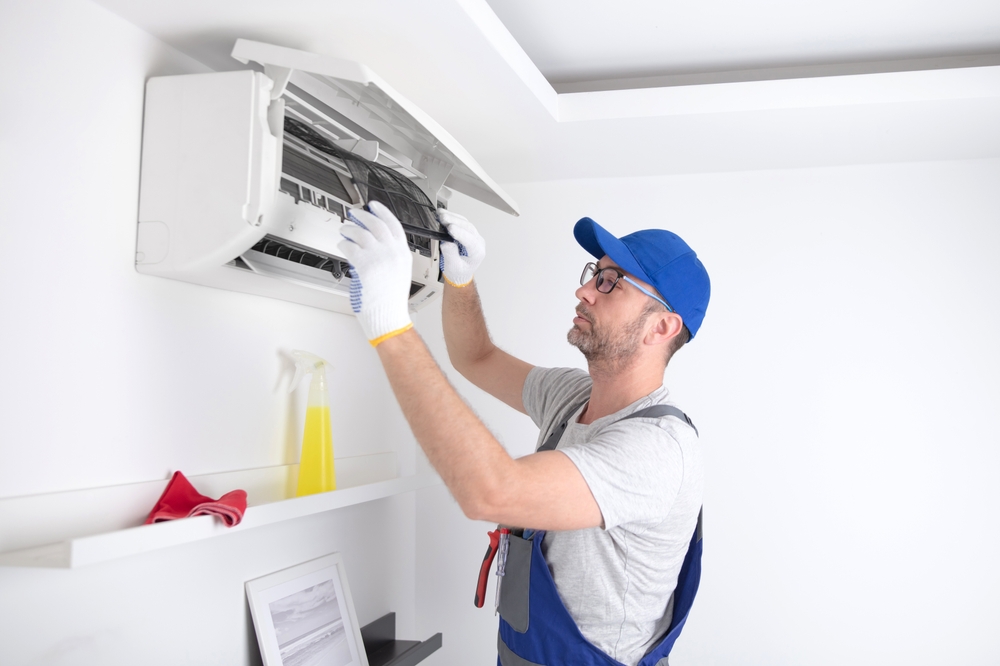
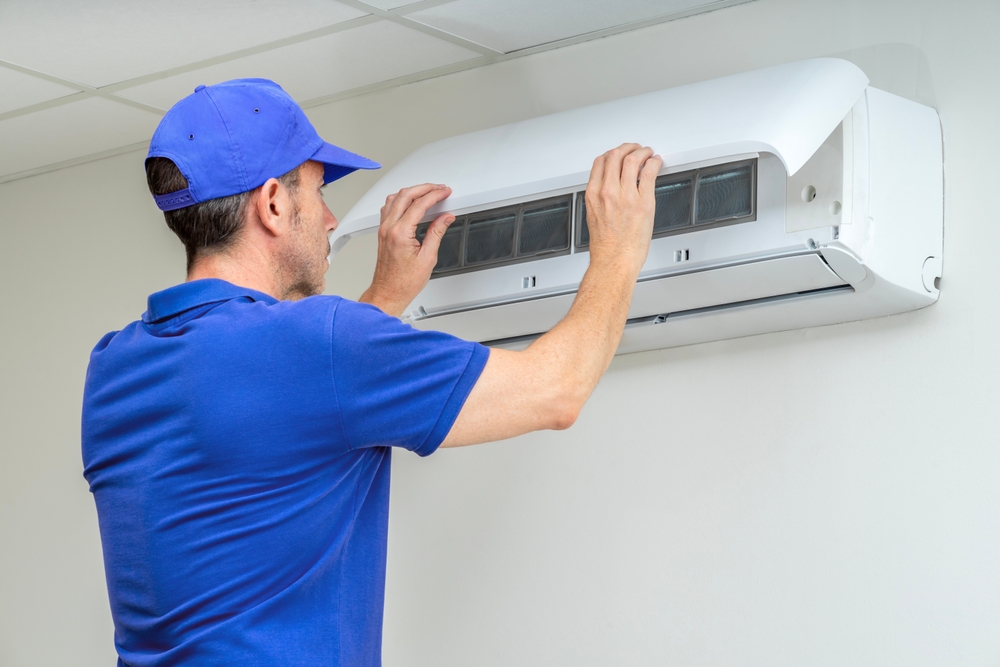
How Often Should You Change Your AC Filter in the Dallas Area? If you’re wondering how often to schedule an AC filter change Dallas TX homeowners should know that there is no single schedule for every household. In general, standard HVAC filters may need replacement every 30 to 90 days, but Dallas conditions can require more frequent changes because of long cooling seasons, dust, pollen, pets, and heavy AC use. A dirty filter can restrict airflow and make your air conditioner work harder. At Chrome Air Conditioning, we help Dallas-area homeowners understand simple maintenance steps that can support reliable cooling and better system performance throughout the Texas heat. How Often Should You Change Your AC Filter? For many homes, checking the filter every month is a good habit. Standard 1-inch filters commonly need replacement every 30 to 90 days, while some thicker media filters can last considerably longer. Always follow the filter manufacturer’s recommendations and inspect the filter regularly. Dallas homeowners may want to replace a standard filter more frequently during periods when the AC is running heavily. Local HVAC guidance commonly recommends checking filters monthly and changing them around every 30–60 days during peak North Texas cooling conditions. If you’re unsure about your schedule, start with a monthly inspection. Why Dallas Homes May Need More Frequent Filter Changes Dallas weather can place significant demands on residential HVAC systems. During summer, your air conditioner may operate for long periods, increasing the amount of air—and airborne particles—passing through the filter. Seasonal pollen, household dust, pet hair, and nearby construction can also cause filters to become dirty faster. Homes with pets or allergy concerns may need more frequent HVAC filter replacement. If your filter looks gray, dusty, or visibly clogged before your normal replacement date, replace it rather than waiting. Signs Your AC Filter Needs to Be Replaced You don’t always need to wait for a calendar reminder. Your AC can provide clues that the filter is becoming restricted. Watch for: Reduced airflow from vents Longer cooling cycles Higher-than-usual energy bills Uneven temperatures between rooms A visibly dirty filter More dust around your home AC performance that seems weaker than normal A clogged filter can restrict airflow and contribute to reduced performance or even problems such as a frozen evaporator coil. If replacing the filter doesn’t solve the problem, the issue may require professional AC service Dallas TX homeowners can rely on. How Often Should You Change Different AC Filters? Not every filter has the same replacement schedule. 1-inch fiberglass filters: These often need to be replaced about every 30 days. 1-inch pleated filters: Depending on the filter and household conditions, replacement may be needed every 30–90 days. 4-inch media filters: These can commonly last around 6–12 months, although actual life depends on usage and household conditions. The filter’s MERV rating can also affect airflow and filtration. Do not automatically choose the highest-rated filter available. Your HVAC system needs to be capable of handling the filter’s resistance to airflow. The EPA recommends consulting an HVAC professional if you’re unsure which filter your system can use. What Happens If You Don’t Change Your AC Filter? Ignoring AC filter change maintenance can cause airflow restrictions and place additional strain on your HVAC system. Your home may take longer to cool, and the system may have to operate for longer periods. A dirty filter can also contribute to coil problems and reduced system performance. Regular air conditioner filter replacement is one of the simplest maintenance tasks you can perform. It costs far less than dealing with a major HVAC problem caused or worsened by restricted airflow. Does Changing Your Filter Help AC Efficiency? Yes, maintaining a clean filter can support proper airflow and efficient system operation. However, replacing a filter is only one part of complete AC maintenance. Professional air conditioning maintenance can identify other issues involving coils, electrical components, refrigerant-related problems, airflow, and other parts of your system. If your AC continues struggling after an AC filter replacement, don’t assume you simply need a better filter. A technician can determine whether another problem is affecting performance. Frequently Asked Questions How often should I change my AC filter in Dallas? A good starting point is to check your filter every month. Many standard filters require replacement every 30–90 days, while Dallas homes with heavy AC use, pets, dust, or other factors may need more frequent changes. What happens if I don’t change my AC filter? A dirty filter can restrict airflow, reduce cooling performance, increase system strain, and contribute to problems such as frozen coils. What is the best AC filter for my home? The correct filter depends on your HVAC system, filter size, airflow requirements, and household needs. Check your manufacturer’s recommendations before selecting a filter with a higher MERV rating. Can I clean and reuse my AC filter? Most standard disposable filters are designed to be replaced rather than washed. If you have a reusable filter, follow its manufacturer’s cleaning instructions. How do I know what AC filter size I need? Remove the existing filter after turning off your HVAC system and check the dimensions printed on its frame. If you’re unsure, an HVAC professional can help identify the correct size. When to Call a Professional Changing your filter is a simple maintenance task, but it cannot fix every AC problem. Contact an HVAC professional if your system continues to have weak airflow, blows warm air, freezes up, runs constantly, makes unusual sounds, or fails to maintain the temperature you set. If you’re searching for AC filter replacement Dallas TX services because you aren’t comfortable handling the filter yourself, professional assistance can also ensure the correct filter is installed properly. At Chrome Air Conditioning, we provide AC maintenance, repairs, tune-ups, and other HVAC services for Dallas-area homeowners. Our team can inspect your system and help identify problems that go beyond a dirty filter. Keep Your Dallas AC Running Smoothly A regular filter routine is one of the easiest ways to take care