Uncategorized

Mound Tankless Water
Uncategorized

Flower Mound Tankless Water Heater Installation Services

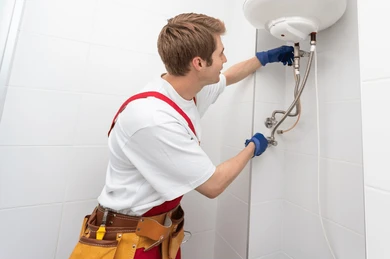
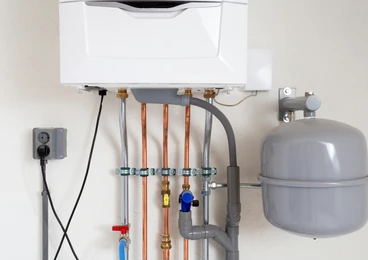
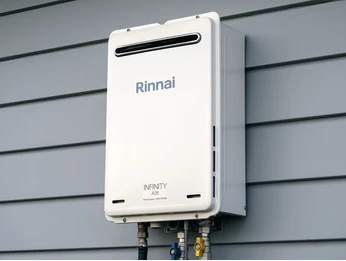
Expert Water Heater Repair Solutions The showcased project for today is an attractive residence located in Flower Mound year 1998,300-square-foot house comprising four bedrooms, three bathrooms, and a third-level storage space. During the 1970s, Flower Mound saw a surge in residential construction following the opening of the Dallas-Fort Worth International Airport. Houses built around that time in Floweround share similar characteristics. Over the years, the town has become attractive to new residents, offering distinctions between being a great place to work and a great place Nearly 90% of the residents have bought and settled into spacious 4-5+ bedroom homes. Today’s case study is a perfect example of where there are big homes; there can be big plumbing problems homeowners may have to face.   CALLING A FLOWER MOUND PLUMBER FOR A WATER HEATER REPLACEMENT When Chrome Air Conditioning  Advocates booked this call, the customer requested an assessment to switch from a tank to a tankless water heater.   History Of The Water Heater The homeowner had two water heaters, one in the garage and the other in the attic. After the tech assessed the two water heaters, he provided two estimates: replace the 50-gallon gas water heaters with a Reliance Gas Water Heater or install a Rinnai Tankless Water Heater.   The tech verified that the two water heaters integrate into a hot water system to generate hot water for the entire house. This was most likely created after the Great Texas Freeze of 2021, when many North Texas homes lost power, resulting in leaking water heaters and frozen pipes. Hence, the customer decided to keep the garage water heater in place as a backup and went with the estimate to replace the attic gas water heater with a tankless model.   The contrast between a tank and tankless water heater is worth considering before. You might question your tankless water heater instead of the conventional tank model. Although the idea of tankless water heating originated in the late 1800s, early systems faced various challenges. It was not until the 1990s that tankless water heating emerged as a practical choice for homes in the United States.   Capability Most tank-style heaters range from 30k to 50k BTUs, the British Thermal Unit. One BTU is the amount of heat required to raise the temperature of one pound of liquid water by one degree Fahrenheit. On the other hand, most tankless heaters require 199K BTUs, resulting in water heating up much faster. Performance Tank-style water heaters can provide a great deal of full-temperature hot water to many fixtures simultaneously, and hot water will flow until their reserve of heated water is depleted. However, once the hot water runs out, you must wait until the heater brings more water to the right temperature. On the other hand, tankless water heaters can deliver heated water endlessly, but they have limitations regarding temperature increases and flow rates. Temperature Tankless water heaters typically heat water about 35 ° F above the incoming water temperature; different models have different “standard” flow rates, and an individual unit’s maximum flow rate can slow down when the incoming water is more than 35 ° F colder than the thermostat setting. In other words, if your incoming water temperature is too cold, the system may throttle your flow rate to compensate, as it needs more time to heat the water as it passes through. Venting Tankless water heaters need considerably more fresh, combustible air to function properly than tank-style heaters. The type and size of exhaust venting are also much different from a tank-style heater, which may necessitate replacing old venting. Installing A Tankless Water Heater A week later, Chrome Air Conditioning dispatched Jermey, a senior Chrome Air Conditioning Plumbing technician, to install the tankless water heater and inspect the garage gas water heater. Removing a gas water heater can be challenging, particularly in a hightemperature third-floor attic. It is often prioritized at the beginning of a job due to the difficulty of the location of the water heater, typically between 100 to 150 pounds. This task usually requires two people to safely handle the removal process. Various steps are involved, including shutting off the water heater, and the main gas valve, breaking the gas line at the union, and disconnecting the gas supply. Once the gas water heater is successfully removed and disposed of, Jeremy and his apprentice, Benjamin, are prepared to install the tankless model.   “Going Tankless: Guide to Installing On-Demand Water Heaters”   Installing a tankless water heater is not easy; it requires a high-level licensed plumbing technician with the skills and experience to ensure nothing dangerous happens. Fortunately, tankless water heaters weigh about 50 to 70 pounds, almost 100 pounds lighter than the tank-style models, so getting the heater into the attic was a little easier for the guys than a tank-style model would have.   At Chrome Air Conditioning Plumbing, we only install Reliance, Navien, and Rinnai tankless water heater brands. In our experience, these brands outperform and outlast other options available. This customer decided on the Rinnai manufacturer, so Jermey and Benjamin installed a Rinnai 199 BTU high-efficiency condensing tankless water heater with a circulation pump including a BTU load calculation, service valves, water, gas, vent and condensate connections, and a sediment trap. We also ran PVC venting through the roof and painted it brown to match the existing venting.   Now that the tankless water heater is installed, the job isn’t quite finished yet. Before we move on to the project’s final phase, I wanted to highlight some maintenance information all homeowners should know when installing one.   Tankless Water Heater Maintenance When tankless water heaters rapidly warm up water flowing through them, hard calcium deposits and other minerals can build up within their components. These deposits may cause the water flow to slow down, thus forcing a system to work harder to function properly. Over time, it can cause irreparable wear to the system, requiring a heat exchanger replacement. And for
The Right Plumber
Uncategorized

7 Tips for Finding the Right Plumber

When your water heater, garbage disposal, and all having issues, it can be overwhelming to find a plumber quickly. However, rushing to hire a plumber without careful consideration could lead to additional troubles later on.   To ensure plumbing issues are resolved effectively, it’s essential to find a reliable plumber who provides trustworthy guidance and durable solutions. Although plumbing problems are unavoidable, you can minimize the need for repeat repairs by choosing a skilled professional.   While cost is a crucial consideration, it factors in your choice. Be wary of plumbing companies that quote unusually low prices over the phone, as they on additional fees once they arrive at your home and assess the issue in person. Make sure your plumber is licensed and insured Ensure that the plumber you hire is licensed and has insurance coverage. This is a crucial aspect to consider when choosing a plumber, so it’s worth emphasizing. Verify their licensing status and en. sure they have insurance to protect against any unforeseen disasters.   Ask how long they have been in business for Inquire about the length of time they have been operating. When seeking services, it is important to choose a provider with extensive experience in handling home repairs. A plumbing firm that has been in operation for many years is more likely to have skilled plumbers and a reputable standing. Additionally, they are less likely to repair job unexpectedly.   Inquire about written estimates. It is common for a reliable plumber to only provide an estimate after thoroughly inspecting the issue at your residence. Before any repairs are made, we asked for a written estimate that outlines both the labor and material expenses.   Check reviews and references. Verify a plumbing company’s credibility by looking beyond its website and marketing materials. The internet provides a valuable resource for researching a company’s reputation, allowing you to uncover the truth about their services. A simple online search can reveal a wealth of information about a plumber’s past performance, helping you make an informed decision. Compare Competition  Evaluating a plumber’s reputation can be challenging, especially if you’re not familiar with the trade. However, you can still assess a plumbing company’s credibility by looking for signs of excellence. Check if the company has received industry-recognized awards or accolades from satisfied customers. Additionally, consider their level of community involvement and whether they share their expertise through online resources or educational content, as these can be indicative of their commitment to quality and customer service.   Personal referrals Seek recommendations from people you know, such as friends, family members, and coworkers, who may have a reliable plumber or a favorite local plumbing service. Word of mouth from a trusted source can be a great way to discover a top-notch plumber that you might not have found otherwise.   Professional referrals Feel free to seek recommendations from your A/C technician, electrician, or construction worker for a referral to a good plumber in your area. Mentioning their name could lead to a discount on the services provided.   In a survey conducted in July 2004 on behalf of Kohler, it was found that approximately 28 million households in the United States deal with a blocked toilet every month. Additionally, 10% of households in the U.S. have leaks that result in wasting 90 gallons or more of water per day. A study by the IBHS revealed that plumbing pipes and drain systems are the primary cause of indoor water damage, leading to an average cost of $5,000 per incident. This information is not meant to cause alarm or make you about your plumbing; rather, it underscores the importance of having access to the best plumber in Plano when needed.   You might be wondering how to pinpoint the top plumber in Plano, someone who can tackle any Fortunately, we’ve got you covered – we’ve put together a list of expert advice and insider tips to help you track down the most reliable and skilled plumbers in Plano, or anywhere else in the country for that matter.   Chrome Air Conditioning Plumbing Services   How to Identify the Best Plano, TX Plumbers Start looking now. Finding the best Plano TX plumber is easier when you have time to do the necessary research. Eventually, something in your home will spring a leak or wear out, so make sure you’ve selected a reliable plumber while you have the time (not when you’re scrambling to search the phone book as your house fills up with water). Ask your friends and family. Talk to family members or neighbors about their experiences with local plumbers. They will probably be more than happy to share the good and bad encounters with plumbers and will steer you clear of suspicious or unreliable plumbing companies. Ask a trusted professional. If you’ve relied on a trusted HVAC or electrical contractor over the years, ask them for a recommendation. Reputable pros are always glad to share references and your inquiry might get a discount on an introductory service call. Check online reviews. Scanning the local yellow pages might get you contact numbers, but if you head online and search for local plumbers you’re going to find a plethora of local listing sites that include reviews and recommendations (or warnings) along with the contact information. Check out online review sites that consolidate positive and negative consumer reviews about local plumbers, because the more feedback the company has, the more accurate the general assessment of their service will be. Check the local Better Business Bureau and other business organizations. Sometimes it’s beneficial to check with local business organizations to verify the details of the plumbing companies you’ve found. Local business organizations typically hold their members to higher standards, so if the company you’re checking on is included in the Better Business Bureau or other organizations’ listings, that is a solid vote of confidence in their service. Contact the plumbing companies that interest you. Once you’ve narrowed down your choices, fill out emails and contact

Pressure-reducing
Uncategorized

Pressure Reducing Valves

Pressure Valves help control the excessive water pressure provided by the city to ensure a safe level for residential use. Typically installed on the main water line, these valves are commonly placed in the front garden area or concealed behind an access panel within an interior wall. A malfunctioning PRV can lead to a range of problems, including irregular water pressure, unusual sounds, and leaks. This is a frequent issue in our region, and PRVs often begin to show signs of failure after 8-15 years of service. We offer a straightforward, flat-rate pricing structure for PRV repairs, and our technicians are equipped with the necessary tools and parts to complete the job quickly and efficiently. To learn more about our PRV repair services or to schedule an appointment, contact us today. Alternatively, continue reading for a detailed explanation of PRVs, of failure, and our replacement process. What is a PRV? A PRV, or pressure in a home. Just as the human body requires a stable blood’s plumbing system relies on a balanced water pressure to prevent damage and ensure efficient operation. Ideally, the water pressure should fall within 80 pounds per square inch (PSI), as specified by plumbing codes. This range allows plumbing fixtures, supply lines, and water-dependent appliances to perform as intended. However, when water pressure exceeds this range, it can lead to premature wear and tear on the plumbing system, increasing the risk of leaks and floods over time. Numerous towns located in the Northern DFW region experience elevated water pressure levels typically made to meet the. If your residence was following the adjustment in water pressure, it likely necessitated the installation of a Pressure pressure-reducing valve (PRV). For homes built before this requirement, it is advisable to assess the current water pressure and consider installing a PRV if needed. The valve installed on the main water line at a home city’s high pressure to a suitable level for household use. Its location can vary, such as in the front flower bed for older homes or behind an access panel inside the house or garage. Upon initial installation, these valves function as intended, safeguarding your home’s plumbing system. However, over time, these valves may deteriorate, leading to various typical signs of water flow and pressure issues.   Symptoms of a Failing PRV At times, a faulty PRV can lead to a drop in pressure and water flow across the whole system. This issue may worsen gradually and go unnoticed. If you experience inadequate water pressure from various faucets in your residence, a failing PRV could be the culprit. Another common indicator of a failing PRV is when you have sufficient pressure when using one faucet but experience a significant decrease in pressure when another faucet is turned on. Noises When various faucets are turned on, pressure-reducing valves may begin to produce unusual sounds. This can manifest a consistent humming, squealing, or knocking noise that occurs each time you use different faucets in the house. High Pressure Excessive water pressure can lead to the malfunction of the PRV, causing high-pressure water to enter residences. While not as immediately noticeable as low water pressure, this elevated pressure can contribute to the deterioration of household plumbing. Another symptom may be the occurrence of a water hammer, characterized by a banging sound within walls when a faucet is swiftly closed, which is particularly prevalent during the operation of a washing machine. Leaking PRVs may also malfunction due to leaks. When positioned in the front garden, a wet, mush area may develop around the valve. Check for any accumulated water inside the valve box, which is typically covered by a green lid in a rectangular or circular shape. The box could be hidden underground and difficult to pinpoint.   Replacing a PRV If you’re experiencing problems that seem similar to these, don’t hesitate to reach out to us. Our team can visit your location to conduct diagnostic tests to confirm whether a Pressure Reducing Valve (PRV) is present and if it’s nearing the end of its lifespan. If replacement is necessary, we can take care of it for you. When the valve box is situated in a flower bed, we undertake a comprehensive overhaul of the water line to ensure the pressure-reducing valve (PRV) and main shut-off valve are easily accessible and maintainable. This involves excavating the existing box, removing outdated fittings, and repositioning the line to a more convenient depth. We then installed a new PRV and a ball valve, followed by a new valve box. To prevent future mud accumulation, we fill the base of the box with pea gravel. Although this process is labor-intensive, it’s the correct way to install the box from the outset. When a Pressure Red Valve (PRV) is installed in a system, a corresponding expansion tank water heater. For more information on expansion tanks, visit our dedicated service page. If a suitable expansion tank is already in place, no further modifications will be needed. However, if an expansion tank is missing or the existing one is faulty, a new one will be installed at the water heater as part. Once the landscaping to its original condition, leaving no visible signs of our presence. Upon completion, you’ll be left with a fully functional and easily maintainable PRV, as well as a new stainless steel ball valve that allows for effortless shut-off of your home’s water supply without the need for specialized tools.    

Unclog Your Toilet Drain
Uncategorized

Everyday Items that Clog Toilets (And How to Avoid Them)

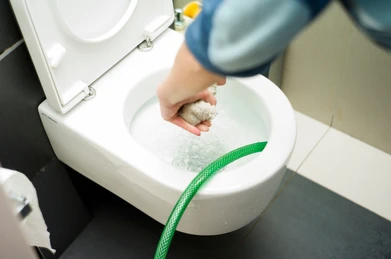
However, our pipes aren’t designed to accommodate many of the everyday items that people unknowingly flush down. Clogged toilets are never fun. Depending on the source of the clogging, they can also be a costly problem to fix. Even if the foreign items manage to make it through your plumbing, they can cause problems at your local wastewater treatment facilities later on. Toilet paper When traveling to older European cities, such as Greece, you may notice restrictions on flushing toilet paper due to outdated sewage systems. In contrast, the US plumbing system is designed to handle toilet paper, but it’s not equipped to manage many common household items that people inadvertently flush. Clogged toilets can be frustrating and expensive to repair, and even if the items pass through your pipes, they can cause problems at wastewater treatment facilities. To avoid clogged toilets, be mindful of what you flush. While toilet paper is meant to be flushed, excessive use by children can still cause issues, so teach them to use a reasonable amount. Additionally, refrain from flushing feminine hygiene products, such as sanitary napkins and tampons, as they are not biodegradable and can quickly clog pipes; instead, dispose of them in the trash. Diapers and baby wipes Toys Again, young children sometimes see it as a game to flush toys down the toilet. This often causes a clog that requires a plumber to fix. Avoid the expense by ensuring your children don’t play with toys in the bathroom unsupervised. Don’t be fooled by the temptation to flush certain items down the toilet. Diapers, for instance, may seem like a convenient disposal method, but they can immediately clog pipes due to their size. Baby wipes, on the other hand, may not cause an immediate blockage, but they can accumulate over time and lead to a clogged toilet. A better option is to use trash bags that eliminate odors. Similarly, paper towels and cleaning wipes, despite being made of paper, can cause clogs due to their thickness and chemical composition. Human and dog hair can also wreak havoc on your pipes, especially if flushed repeatedly. And, of course, toys should never be flushed down the toilet, as they can cause costly clogs that require professional attention. To avoid any issues, it’s best to stick to the rule that only toilet paper should be flushed, and even then, use it in moderation.  

Uncategorized

How to Fix a Running Toilet by Chrome Heating

To ensure a toilet functions properly, it needs to have a steady flow of water. However, if the water keeps running nonstop, it can lead to higher water bills and unnecessary expenses. Addressing and resolving toilet issues, such as this one, should be a skill that all homeowners can manage due to the straightforward nature of the problem.   Leaks are Usually the Problem Leaks are often the issue that arises with this particular toilet repair. The problem usually stems from a rubber flapper that is leaking against plastic at the base of the tank. This is typically caused by hard water, leading to water leakage over time.   The method for detecting potential plumbing issues is to utilize a dye test. To do this, add a dye tablet or a few drops of food coloring to the toilet tank and allow it to refill. If the water in the bowl turns the same color as the tank, there’s likely a leak present, indicating that repairs may be necessary.   Fixing the Flapper Issue Addressing a leak may involve replacing the flapper as a solution for fixing a toilet issue, but identifying the appropriate one to use can be difficult at times.   To begin the replacement process, turn off the water supply and remove the existing flapper by sliding it off the flush valve and detaching install the new flapper by reversing these steps, ensuring it is properly seated above the flush valve.   The chain is probably already set to the handle, so the next step is to.   The foam component that links the flush valve and handle serves as a regulator for the speed at which the flapper descends, controlling the synchronization between the tank and bowl. When the toilet is flushed, the foam piece rises slightly, allowing the flapper to shut and the water in the bowl to drain properly.   To find the foam component upward for a reduced water flow or downward for a more gentle release. To confirm the flapper is correctly in place, perform a follow-up dye test using food coloring. A successful test indicates that the flapper has been installed correctly.   Replacing the Fill Valve In conjunction with installing a new flapper, it’s recommended to also replace the fill valve as part of the water supply must be turned off, with the exact number of turns needed. While some toilets require only a slight others may need multiple turns, but the task is finished once the water flow is completely halted.   Disconnecting the flexible line involves unscrewing it, but it is important to ensure that all the water has been emptied from the toilet tank before proceeding. Next, the fill valve can be taken out by first loosening the located at the bottom of the valve. Simply pull the valve straight up and then detach the fill tube.   To adjust the fill valve’s height, first slide the freeing valve to be moved to the desired position. The plastic nut secures the valve at its new height, ensuring the valve’s base remains intact. Lastly, reattach the fill valve by holding it firmly in place and tightening the nut at the base of the tank.   Next, the fill tube is secured by attaching it to the outer edge of the flush valve, enabling water to flow through the valve and into the center. The final step is to reattach the flex line, completing the installation.   To avoid a messy situation, it’s wise to thoroughly inspect your repairs before restoring water flow to the toilet. Once the water is turned back on the area for any signs of leakage.  

Uncategorized

What To Do If You Smell Natural Gas

Ensuring a safe and healthy living environment is a top priority for homeowners. While some individuals may be wary of using gas-powered appliances correctly. However, the risk of a malfunction can be unsettling. If you detect the distinctive odor of natural gas, it’s essential to know how to respond to minimize potential risks and ensure your safety.   Contacting experienced professionals who specialize in natural gas is the initial step. These skilled tradespeople are knowledgeable in identifying and fixing gas leaks. Getting in touch with Chrome Air Conditioning Plumbing can ensure the safety of you and your family members and reassure you when using gas-powered devices.   Do You Smell Natural Gas? Additional Warning Signs If you catch a whiff of strong, sulfurous rotten eggs, it could be a sign of a natural gas leak. attention from a professional. However, not all gas leaks are detectable by smell alone. Other signs to watch out for include unusual sounds, such as whistling or hissing, and visual cues like damaged or dying plants near a gas line. If you do, it’s a good idea to have the area checked by a qualified expert.   What Dangers Do Gas Leaks Pose? Gas leaks can be very dangerous and have serious consequences. Not only can they harm your property, but they also pose a risk to your safety, as well as the well-being of your pets. Prolonged exposure to gas fumes can lead to issues and may even result or notice any signs of important to seek help from a professional company that specializes in detecting and addressing gas leaks.   Gas Leak Testing & Detection Upon arrival, a team of experts will conduct a comprehensive gas to check for the presence of any gas leaks. Various advanced methods can be used to detect even the tiniest leaks accurately. After identifying the extent of the problem, technicians will discuss repair options with you. They will also provide price estimates to help you plan your repairs effectively.   Repairing & Installing New Gas Lines Trained specialists can manage every step of the repair process, from securing required municipal permits to completing the work on timelines that may fluctuate, technicians will keep you informed throughout the process. Additionally, they can install new gas lines for both indoor and outdoor appliances, ensuring a safe and proper setup that gives you peace of mind when using your utilities.  

Hot Water Heater Installation
Uncategorized

Hot Water Heater Installation in North Dallas

Replacing an old water heater can be a daunting task, leaving you wondering if the process will be seamless or a frustrating ordeal. A successful hot water heater installation requires careful consideration of several key factors. To ensure a stress-free experience, it’s essential to hire a trustworthy plumber who prioritizes your needs and pays attention to every detail. In this article, we’ll outline the crucial qualities to look for in a plumber to guarantee a smooth and successful installation.   As a homeowner seeking information, it is important to understand the process involved in having a competent plumber install a hot water heater in your residence. The plumber should effectively communicate the details of the work to be done, including costs and reasons for the work. They should demonstrate care in their work, respecting your property and belongings. Their work should be of high quality and they should provide a warranty for any potential future issues. Additionally, they must ensure that the installation all local plumbing regulations and is prepared for inspection.   Transparent Communication Open and clear communication is crucial for delivering top-notch service. Every water heater installation is unique, and additional tasks may be necessary to ensure it is done correctly The total cost of the project can vary due to factors such as local, the heater’s location in the house, and the condition of the existing plumbing nearby. We strive to prevent any surprises when it’s time to settle the bill by maintaining transparent communication at Chrome Air Conditioning Plumbing. If unexpected issues arise during the job that could raise expenses, our technicians will pause to inform you about the situation before continuing with the work.   Work That Puts You First A genuine commitment to serving you as a homeowner should be evident in the quality of the work performed. A considerate plumber will take care to protect your property throughout the process to safeguard your floors and surfaces. When navigating through your living space, they will ensure that the removal of old equipment is done in a way that prevents damage or mess. Additionally, a well-organized and efficient technician will maintain a tidy workspace, carefully placing tools and parts to avoid any potential harm to your belongings.   Maintaining high expectations is crucial. The technician may face particularly challenging tasks and be fully engrossed in the job. Nonetheless, a dedicated professional will prioritize paying attention to these specifics if their goal is to assist you effectively. The team at Chrome Air Conditioning Plumbing is committed to upholding these standards.   A Warranty With No Strings The warranty provided by Chrome Air Conditioning Plumbing ensures ongoing assistance beyond the completion of the job and payment receipt. Heater manufacturers offer warranties for their tanks, while reputable plumbing companies provide labor warranties for their work. It is important to understand how the warranty is upheld. Chrome Air Conditioning Plumbing prioritizes addressing any issues with heaters they install, and their technicians carry fully stocked trucks to complete all necessary repairs during the initial visit.   Avoiding return visits is a top priority for Chrome Air Conditioning Plumbing, so they take extra measures needed for follow-up repairs. They are particular about their selection of gas water heaters, preferring models with an older style thermostat that has proven to be more reliable compared to newer versions equipped with self-diagnostic features. chrome air conditioning Plumbing opts for Rheem heaters with the traditional thermostat design, as they find it to be less prone to malfunctions.   Furthermore, customers can enhance the protection of their new water heater opting for an extended warranty that provides coverage for the tank for an additional four years and the labor of the heater for an extra two years. As part of this upgrade, we also include an additional component known as an “anode rod” in the heater. An anode rod is essential for shielding the tank’s metal from rapid rusting caused by the water. By adding an extra magnesium anode rod we significantly improve the prevention of corrosion.   Inspection Ready in North Dallas Following the installation of your new water heater, a local city inspector must verify that the plumbing work meets safety and regulatory standards. However, this process can be complex due to varying code requirements in each city. A qualified plumber should be well-versed in the specific regulations of your area, including the need for an expansion tank, and the precise requirements for temperature and pressure valve drain lines and drain pan lines. By choosing a knowledgeable plumber, you can ensure that the work is done correctly from the start, avoiding the need   Hot Water Heater Installation for Frisco, Plano & McKinney Chrome Air Conditioning Plumbing provides water heater installation services in Frisco, Plano, and McKinney with a focus on elevating the standards of home service contractors. Homeowners can contribute by staying informed and expecting excellence from their plumbing professionals. Transparency in pricing, clear communication, attention to detail, organized work, reliable warranties, and adherence to local plumbing codes are all essential components to ensure a smooth and satisfactory service experience. Heater installation delivers exceptional quality that you should from any home service provider. For reliable and trustworthy service, reach out to the experts at Chrome Air Conditioning Plumbing today.

Uncategorized

Do I Need A Water Heater Expansion

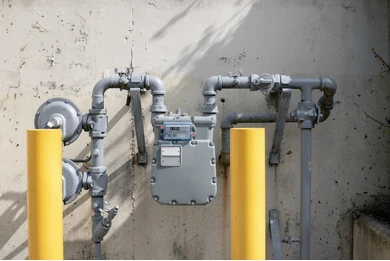
 Gas leaks pose a significant threat to households with alarming frequency. According to statistics, faulty gas pipes and resulting explosions claim an average of 17 lives annually in the United States. The good news is that most gas leaks in residential homes can be easily repaired by a qualified expert. Identifying and addressing the issue promptly is crucial to maintaining a safe living environment. This article provides essential guidance on detecting gas leaks and outlines the necessary steps to take once a leak has been identified.   Typical Locations of Gas Leaks in the System Gas leaks are more prone to happen at points where pipes are connected, such as old shut-off valves, tees, unions, flexible supply lines, regulators, and risers. When these connections are not securely fastened or are disrupted, leaks may occur.   We frequently discover leaks in areas where “black iron” pipes are exposed to the elements without adequate protection. Since this type of piping is prone to corrosion, it’s essential to keep it dry to prevent deterioration. If the pipe is buried underground without proper shielding, it can rapidly deteriorate, leading to crumbling and eventual failure. This issue often arises at the point where the pipe meets the ground surface, particularly where it’s frequently struck by lawn equipment such as string trimmers.   Gas leaks often occur following the installation of a new roof. In newer homes, corrugated stainless steel lines (CSST) may get punctured by roofing nails if they are placed too near the roof during installation. The leak may become noticeable right away in some cases, while in others, it might not surface for several months.   Following a roof replacement, it’s a good idea to have a plumber inspect your gas lines, particularly if you have a Corrugated Stainless Steel Tubing (CSST) system. Additionally, the plumber can verify that the vent piping is connected to, which is crucial for preventing carbon monoxide buildup.   Checking For Gas Leaks If you suspect a gas leak but are several indicators you can investigate to determine whether your concerns are valid.   That has a distinctive, unpleasant aroma reminiscent of spoiled eggs. As a result, a gas leak is often readily apparent due to the strong, pungent smell. If you notice a robust, sulfur-like odor in the vicinity of gas lines or appliances, it is likely a clear indication of a nearby gas leak.   If you detect a gas odor indoors, check for gas appliances in the area. Are gas-powered items like a fireplace, grill, or water heater nearby?   If the smell is outside, you may even notice dead grass. If your gas line has leaked underground for long enough, it could even have caused the grass above it to die.|If you detect the odor outdoors, you might also observe patches of dead grass. A prolonged underground gas leak could potentially lead to the death of the grass growing above it.   Collecting any information you can find will assist in speeding up the process for your plumber to find the leak, ultimately leading to savings on labor expenses.   Leaking gas fitting If you discover a gas leak at home, it is important to be aware of the location of your gas shut-off valves and understand how to use them in case of an emergency. Your plumber might be able to fix the leak and restore your gas on the same day if it is a, depending on the source of the leak.   If you detect a strong gas odor, evacuate the premises right away and get in touch with your area’s gas experts to turn off the gas supply. It hires a certified and insured plumber to ensure that the task is completed accurately and securely.   When a gas leak is suspected, exercise extreme caution and avoid using electronic devices and electrical sources, including garage doors and switches. Refrain from smoking or using open flames in the vicinity of the suspected leak. Additionally, do not attempt to start a vehicle near the affected area. Be prepared for the possibility that the gas company may need to shut off your gas supply, which could result in an extended period without service, potentially lasting several days, until the necessary repairs, testing, and inspections by city officials are completed.   It is important to be careful when dealing with gas as leaks can pose a significant danger and are a frequent occurrence in households. Take necessary precautions to safeguard your loved ones and belongings. It is advisable to seek the help of a skilled professional to address any gas leaks. Trusted plumbers with the necessary expertise can effectively repair gas leaks in your residence.   Who Repairs Gas Leaks Gas leaks are typically repaired by plumbers and professionals from the gas company. Gas companies are accountable for leaks on their side of the meter, while homeowners are usually in charge of leaks from the meter onwards within the house. If you detect a gas odor on your premises, it will likely be a plumber who needs to handle the repair.   In North Dallas, gas providers will not service gas lines that are privately owned by residents. Once a line is deemed to be under homeowner homeowner.   Typically, upon reaching your location, a skilled plumber will inquire about the details of the leak to efficiently locate it. In the case of a significant leak, they might promptly turn off the gas supply. Subsequently, they will proceed with thorough examination and testing to pinpoint the exact source of the leak.   This may involve pressurizing the pipes using air, applying soap to all separating the lines, reaching the lines within walls, and digging up buried lines.   After identifying the source of the leak, the repair team should provide a detailed estimate for the necessary work, along with a projected schedule for completing the repairs and conducting any follow-up inspections.   More Questions? This information should provide a better understanding of how

Uncategorized

How To Fix A Gas Leak

Gas leaks pose a significant threat to safety and are a widespread issue in numerous Texas households. According to statistics, gas pipe leaks and explosions claim an average of 17 lives annually in the United States.   The good news is that a qualified expert can typically resolve most household gas leaks with relative ease. Prompt detection and swift action are key to maintaining a safe living environment identifying gas leaks and outlining the steps to take once a leak has been discovered.   It’s essential to be aware of the following information.|The following information is important to be aware of.   gas leak repair Gas leaks are more prone to happen at the points where pipes intersect, such as connections, valves, and fittings, particularly if they are loose or have been recently manipulated. Areas of concern include aged shut-off valves, tee joints, unions, flexible supply lines, regulators, and risers, where a slight disturbance or inadequate tightening can lead to a leak.   Leaks are frequently discovered in instances where “black iron” piping is inadequate against external factors. This type of piping is not naturally resistant to corrosion and must be shielded to avoid moisture accumulation. When this pipe is buried underground without adequate protection, it is prone to rusting and deteriorating until it eventually disintegrates. This deterioration is particularly prevalent at ground level, as the piping is consistently impacted by string trimmers.   Gas leaks frequently occur following the installation of a new roof. The corrugated steel lines (CSST) used in modern homes are susceptible to damage from roofing nails if they are placed too near the roof during installation. Leaks may become apparent right away or may go undetected for several months.   After having your roof replaced, it may be beneficial to have a plumber inspect the gas lines if you use a CS. The plumber can also examine the vent piping above your water heater to ensure it is securely connected, thus safeguarding against carbon monoxide risks.   Checking For Gas Leaks To detect a potential gas leak, observe for various signs that either validate or dismiss your concerns.   A pungent sulfur compound is added to natural gas before it is delivered to households to create a distinct odor similar to rotten eggs. If there is a gas leak, the foul smell will alert you promptly. Detecting a strong sulfur scent around gas pipes or appliances is a clear sign of a nearby gas leak. If you detect a gas-like odor indoors, investigate the surrounding area for potential sources. Check if there are any gas-powered appliances or pipes nearby, such as a gas fireplace, or a barbecue grill on.   If the odor is coming from outdoors, you may also observe patches of dead or dying grass. Prolonged underground gas leaks can have a detrimental effect on the surrounding vegetation, causing the grass above the affected area to wither and perish.   Collecting details beforehand can streamline the process, allowing your plumber to quickly identify the source of the leak and ultimately reducing the amount of time spent on the job, which translates to lower labor expenses.   Leaking gas fitting In the event of a gas at home, it is important to be aware of the location of your gas shut-off valves and how to use them in case of an emergency. If you come across a minor leak, you might be able to fix it on, depending on the source of the leak.   In the event of a strong gas odor, evacuate the premises right away and reach out to your local gas authorities to have the supply turned off. To ensure the work is completed properly and essential to hire a qualified and insured plumber.   When a gas leak is suspected, exercise extremely, such as cell phones, and refrain from activating electrical switches or opening garage doors. Smoking or having an open flame in the vicinity of the gas smell is strictly prohibited. Additionally, do not attempt to start a vehicle near the leak. Be prepared for the possibility that the gas company may shut off your gas supply, which could leave you without service for an extended period, potentially lasting several days, until the necessary repairs, testing, and city inspections are completed. This disruption can be particularly burdensome during colder months.   Always exercise care when dealing with gas. Gas leaks are hazardous and are frequently encountered problems in numerous households. Ensure you are ready to safeguard your loved ones and belongings. It is crucial to engage a professional to address any leaks. The majority of skilled plumbers are certified and proficient in rectifying gas leaks within your residence.   Who Repairs Gas Leaks Typically, gas line repairs are handled by licensed plumbers and specialists employed by gas companies. The gas company is accountable for fixing leaks that occur on the side of the meter, while homeowners are responsible for addressing leaks that occur between the meter and the rest of the house. If you detect a gas odor on your property, a plumber will likely be needed to make the necessary repairs.   Homeowners in North Dallas are responsible for repairing their gas lines as gas companies in the area do not provide service.   Typically, upon the arrival of a skilled plumber, they inquire about the essential details of the leak to expedite the locating process. In the case of a significant leak, they might promptly turn off the gas supply. Subsequently, they will carry out appropriate assessments to pinpoint the source of the leak.   After identifying the leak, they will provide you with a cost estimate for the necessary repair work and establish a potential schedule for completing the repairs and conducting inspections.   More Questions? Still have should provide a better understanding of the steps to take and what to anticipate in the event of a natural gas leak at your residence in Frisco, Plano, or within Chrome Air Conditioning Plumbing’s service territory,

Pressure-reducing
Uncategorized

How do I know if my pressure-reducing valve is bad?

  A faulty pressure-reducing valve can be a challenge. If you notice water leaking from underneath, it may be a sign of a problem. Are you unsure about how to troubleshoot and repair or replace a malfunctioning water pressure-reducing valve?   In this article, local plumbing professionals provide information about the signs of a faulty pressure-reducing valve that may require replacement.   What is a PRV? A Pressure Reducing Valve (PRV) is a device that safeguards your home’s plumbing system from excessive water pressure. To prevent damage, local building codes specify that household water pressure should fall within a range of 40-80 pounds per square inch (psi). When the water supply to your home exceeds this limit, the main water line remains within a safe and acceptable range.   While PRVs are designed to be impervious to wear and tear. Their rubber components and springs are prone to degradation, and the presence of particulate matter in the water can cause them to become clogged. As a result, PRVs often deteriorate gradually, and the onset of problems may be subtle, especially if your water usage is moderate.   If pressure-reducing valves (PRVs) become worn, they may lead to various unusual water pressure problems in your entire household. It’s crucial to understand that these symptoms typically manifest simultaneously in different areas of the house when a defective PRV is to blame. Should you encounter any of these problems with just one specific fixture, it’s unlikely that the PRV is the root cause.   1 Low or Fluctuating Water Pressure Low water pressure or inconsistent water pressure may indicate a faulty pressure reducing valve. You may notice weaker water pressure than usual or a noticeable decrease in pressure when using multiple fixtures simultaneously. This issue might become apparent when there is a higher for water, such as when guests are visiting and using multiple tubs and showers at the same time.    2 No Water Pressure Occasionally, PRV problems can arise suddenly, rather than developing gradually over time. If you in your home is non-existent, affecting both hot and cold water supplies, it’s possible that your PRV has failed. Be sure to test both hot and cold water lines to is normal but the hot water pressure is low, the issue may be related to the water heater or a specific fixture, rather than the PRV.   3 Hammering or Vibrating Noises Persistent thudding or steady whirring sounds emanating from the walls when operating various Valves (PRV).   To the previously mentioned causes, various other factors can also contribute to these noises, including a malfunctioning expansion tank, rapid closure of solenoid valves in newly installed appliances, defective vacuum breakers, valves with worn or loose components, deteriorated toilet fill valves, and pipes that are not properly secured.   At times, the sound may result from these influencing elements. To further validate that the PRV is the source of the sound, move to its position and listen closely. The sound should be distinctly louder near the PRV.   4 A Leak in your Flower Bed Chrome Air Conditioning Plumbing serves the northern part of the Dallas Metroplex. In this area, the majority of Pressure Reducing Valves (PRVs) are typically situated on the main water line as it emerges under the home’s perimeter in the front flower bed.   In newer homes, constructed after 2010, the location of these components is often more varied. You may find them concealed behind a garage wall panel that houses plumbing lines. Additionally, they can be situated in wall cavities beneath staircases, within closet spaces,   In some cases, the valve may rupture, resulting in soggy or waterlogged area in your garden or flower a sign that this has occurred.   5 High Water Pressure High water pressure may cause your faucets, toilets, or appliances to require frequent repairs. The standard maximum working pressure for most fixtures is 80 psi, and if your water pressure consistently exceeds this limit, it can lead to faster wear and breakage of parts.   Adjusting the pressure at the PRV to decrease it may in certain cases. Yet, if the PRV has been in use for several years, this could pose a significant risk. Trying to make adjustments could result in the PRV malfunctioning completely or developing leaks.   Questions? If you’re experiencing any of these issues, we invite you to reach out to arrange a maintenance visit.   We hope you find this information useful. If you need further clarification or have any concerns, don’t hesitate to contact Chrome Air Conditioning Plumbing – our team is always ready to provide assistance and support.  

Scroll to Top
Chrome Logo Web Transparent

Scheduled an Appointment