How to Detect Water Leaks Before They Cause Damage
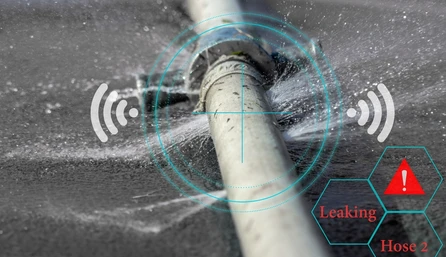
Water leaks, if left undetected, can lead to costly repairs and severe damage to your home. The good news is that with the right knowledge and preventive measures, you can detect water leaks before they cause extensive harm. Whether it’s a small drip or a hidden leak inside your walls, catching these issues early can save you time, money, and headaches. In this article, we’ll explore several key ways to detect water leaks and prevent them from causing damage. 1. Monitor Your Water Bill One of the first signs of a hidden water leak is an unexpected increase in your water bill. If your water usage hasn’t changed but your bill continues to rise, it’s time to investigate. A higher water bill without any significant changes in usage patterns may indicate that water is escaping somewhere in your home. Take note of your water bill over several months and compare it to previous periods. Even if the leak is small, over time, it can add up to a noticeable increase in your water consumption, triggering higher costs. If you notice a spike, consider consulting a professional to inspect your plumbing system. 2. Check for Visible Signs of Leaks Some leaks are easy to spot, especially when water begins to pool or stain surfaces. Be sure to regularly inspect the following areas for visible signs of water damage: Under sinks: Look for water stains, pooling, or dampness around pipes. Bathrooms and kitchens: Check around toilets, faucets, and showers for drips or puddles. Ceilings and walls: Stains or discoloration on your ceiling or walls can indicate a leak from a pipe hidden inside the structure. Water heaters and washing machines: Check these appliances for moisture or rust around the connections and hoses. These visible signs can help you detect leaks early before they become more serious. 3. Test Your Water Meter A water meter test is one of the most effective ways to determine if your home has a hidden leak. Here’s how you can perform the test: Step 1: Turn off all water-using appliances and fixtures in your home, ensuring that no water is being used. Step 2: Locate your water meter and take note of the reading. Step 3: Wait at least one hour without using any water, then check the meter again. If the meter reading has changed during this time, it’s a sign that you may have a leak. A slow leak may take longer to show up, so you can repeat the test over a longer period to ensure accuracy. 4. Listen for Sounds of Running Water One of the easiest ways to detect leaks is simply by listening. You might hear the sound of running water when no faucets or appliances are in use. This could indicate a leak, especially if it’s happening behind walls, under floors, or within your plumbing system. If you suspect a leak but can’t locate the source, professional leak detection services use specialized listening devices to pinpoint the exact location. 5. Inspect Your Water Pressure A sudden drop in water pressure can signal a potential leak. If you notice that your water pressure has decreased, especially in a specific part of your home, there could be a leak in the plumbing. Low water pressure is often caused by water escaping from pipes, which reduces the amount of water that reaches your faucets and fixtures. To check your water pressure, use a pressure gauge. If the pressure is lower than the normal range (typically between 40-60 psi), a leak may be the cause. Investigate further by checking for other signs of water damage or contact a professional to perform a thorough inspection. 6. Monitor Moisture and Humidity Levels Moisture and humidity can be key indicators of water leaks in areas where water lines run, such as basements, crawl spaces, and utility rooms. Use a moisture meter or a humidity sensor to monitor these areas for elevated moisture levels. If you notice a higher-than-normal reading, it could be a sign of a hidden leak. Additionally, excessive moisture can lead to mold and mildew growth, which thrives in damp environments. 7. Check for Mold and Mildew Mold and mildew thrive in damp, humid areas, making them common indicators of water leaks. Even a small leak can create the perfect conditions for mold to grow, especially in areas like basements, attics, and behind walls. Pay attention to any musty odors in your home, as they can signal the presence of mold. Visible mold growth, discoloration on walls or ceilings, or black, green, or brown spots can all point to a leak. If you spot mold, it’s important to address both the mold issue and the underlying water leak to prevent further damage and health risks. 8. Inspect Your Lawn and Exterior Water leaks don’t only happen inside your home. Outdoor leaks can also cause significant damage, particularly if they go unnoticed. Check your lawn and exterior areas for signs such as: Wet patches or soggy ground when there hasn’t been any rain. Water pooling around outdoor faucets, spigots, or irrigation systems. Unusual growth patterns in your lawn, such as patches of grass that are greener or grow faster than other areas. An underground water line may have broken or developed a leak, which can lead to damage not only to your home’s foundation but also to your landscaping. 9. Use Leak Detection Technology Advancements in technology have made it easier than ever to detect leaks early. Smart water leak detectors are available and can alert you to leaks in real-time. These devices can be installed near vulnerable areas such as under sinks, around water heaters, or near washing machines. Many of these detectors can be connected to your smartphone, allowing you to receive alerts when a leak is detected. Some detectors also monitor water flow and shut off the water supply automatically if an unusual amount of water is detected, preventing further damage. Investing in leak detection technology can provide peace of mind and