AC Repair Plano TX

AC Installation, AC Repair Frisco TX, AC Repair McKinney TX, AC Repair Plano TX, Air Conditioning, Energy Efficiency, Uncategorized

How to Handle an Overflowing Toilet Without Panic

Dealing with an overflowing toilet can be an unsettling experience. It’s one of those household emergencies that catches many homeowners off-guard, causing panic and stress. However, the situation doesn’t have to spiral out of control if you follow a step-by-step approach to resolve the issue calmly. In this guide, we will explain how to handle an overflowing toilet with confidence, making sure you minimize damage and restore order swiftly. 1. Understand the Cause of the Overflow The first step in managing an overflowing toilet is understanding why it’s happening. An overflow occurs when water fills the bowl and can’t drain properly. This is usually caused by a blockage in the plumbing system, which prevents water from passing through the pipes as it should. The most common causes include: Clogged Pipes: Items like excessive toilet paper, sanitary products, wipes, or foreign objects can get stuck in the pipes, obstructing the flow. Faulty Float Mechanism: If the toilet’s float mechanism (inside the tank) malfunctions, the tank may continue to fill with water, leading to overflow. Sewer Line Issues: In more severe cases, the sewer line might be blocked, causing backups that lead to toilet overflow. Knowing what caused the overflow is helpful because it informs how to approach the fix. If it’s a simple clog, you might be able to resolve it yourself. But if it’s a more serious problem, like a sewer line blockage, you’ll need professional help. 2. Turn Off the Water Supply When you notice that your toilet is overflowing, the first thing to do is stop the water from flowing into the bowl. Look behind or around your toilet for a shutoff valve. This valve, often located on the wall, can be turned clockwise to cut off the water supply immediately. If the shutoff valve is stuck or hard to turn, you can remove the lid of the toilet tank and manually stop the water flow. To do this: Lift the float (the ball or cup-shaped device) upward. This action should stop the water from filling the tank. Alternatively, reach down to the flapper (the rubber or plastic component at the bottom of the tank) and close it. This stops water from flowing into the bowl. Once the water supply is shut off, you can begin assessing the situation without worrying about additional overflow. 3. Plunge the Toilet Carefully If the overflow is due to a clog, your next move is to use a plunger. Make sure you have a good-quality plunger with a flange at the bottom that creates a tight seal in the toilet bowl. Here’s how to plunge effectively: Position the Plunger: Place the plunger directly over the hole at the bottom of the toilet bowl, ensuring it creates a tight seal. Push and Pull: Start by pushing down gently. If you push too forcefully, you might splash water. Once you establish a seal, plunge with more vigor, using both downward and upward strokes. Keep Plunging: Continue plunging for about 20-30 seconds. You may need to repeat this process a few times before the clog dislodges. Once the water begins to drain and the clog clears, flush the toilet to check if it operates normally. If the toilet still overflows or doesn’t drain properly, it may be time to call a professional plumber. 4. Clean Up the Overflowing Water After you’ve resolved the clog, it’s time to deal with the mess. Toilet overflow water can be unsanitary, so it’s essential to clean it up quickly to prevent damage and maintain hygiene. Follow these steps: Wear Protective Gear: Before cleaning up, wear rubber gloves to protect your hands. If the overflow is extensive, you might also want to wear boots and use towels or paper towels to create a barrier between the water and your floor. Soak Up the Water: Use towels, mops, or a wet-dry vacuum to soak up the water. Remove as much water as possible to prevent damage to your flooring. Disinfect the Area: After the water is removed, disinfect the area with a mixture of water and bleach (1:10 ratio) to eliminate bacteria and prevent contamination. Ventilate: Open windows and use fans to dry the space quickly. This will prevent mold and mildew from developing. 5. Prevent Future Overflows Once the immediate problem is under control, it’s essential to take preventive measures to ensure this doesn’t happen again. Here are some tips to keep your toilet functioning properly: Be Mindful of What You Flush: Only flush toilet paper and human waste. Avoid flushing sanitary products, wipes, or any foreign objects. Regular Maintenance: Schedule regular inspections and maintenance for your plumbing system. Chrome Heating Air Conditioning in Plano, TX, offers comprehensive plumbing services, including drain cleaning, to help prevent blockages. Upgrade Your Toilet: If your toilet is older, consider upgrading to a newer, more efficient model. Modern toilets use less water and are less prone to overflows caused by faulty mechanisms. 6. Know When to Call a Professional While many toilet overflows can be managed with quick thinking and the right tools, there are times when calling a professional is the best course of action. Here are a few situations where you should seek expert help: Persistent Clogs: If the toilet keeps clogging despite your best efforts, it could be a sign of a more significant problem, such as an issue with your sewer line. Slow Draining: If your toilet drains slowly, even after plunging, it may indicate a partial blockage that requires professional equipment to remove. Sewer Line Blockages: If you suspect a sewer line blockage, such as when multiple drains in your home are affected, you’ll need the expertise of a plumber to diagnose and fix the problem. For residents in the Plano, TX area, Chrome Heating Air Conditioning provides reliable plumbing services that can resolve even the most challenging overflow issues. Their team of professionals is equipped with the latest tools to diagnose and fix any plumbing issue, ensuring your toilet works correctly. 7. What to Expect From a
AC Installation, AC Repair Frisco TX, AC Repair McKinney TX, AC Repair Plano TX, Air Conditioning, Energy Efficiency, Uncategorized

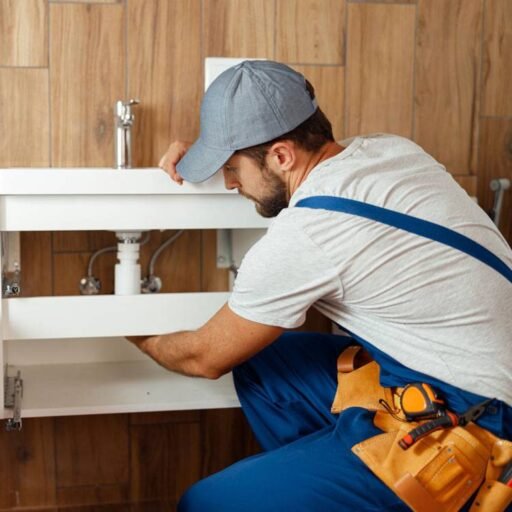
5 Common Plumbing Problems and How to Solve Them

  When it comes to home maintenance, plumbing issues can be one of the most frustrating and disruptive problems you face. The good news is that many common plumbing problems can be fixed with a little know-how and the right tools. In this article, we’ll explore five of the most common plumbing issues and offer solutions, along with highlighting how Chrome Heating Air Conditioning provides professional plumbing services in Garland, TX, Dallas, TX, Frisco, TX, McKinney, TX, and Plano, TX. 1. Leaky Faucets Leaky faucets are a common annoyance that wastes water and can lead to higher utility bills. A worn-out washer, O-ring, or valve seat often causes these leaks. Solution: Start by turning off the water supply to the affected faucet. Dismantle the faucet and inspect the washer or O-ring. Replace any worn parts with new ones from a hardware store, then reassemble the faucet. If the leak persists, it may be a deeper issue that requires professional assistance. Need help? Chrome Heating Air Conditioning offers fast, efficient faucet repair services. Call for assistance in Garland, Frisco, or surrounding areas. 2. Clogged Drains Whether it’s the kitchen sink or the shower, clogged drains are a common headache. They are usually caused by hair, soap scum, or food debris buildup. Solution: For minor clogs, use a plunger or a drain snake. Chemical drain cleaners can be effective, but use them sparingly to avoid pipe damage. For stubborn clogs, call in the professionals to avoid further damage. Need a professional touch? Our plumbing experts at Chrome Heating Air Conditioning are available across Dallas and McKinney to clear tough clogs and ensure smooth water flow. 3. Running Toilets A running toilet can waste up to 200 gallons of water per day. This issue is often caused by a faulty flapper, float, or fill valve. Solution: First, check the flapper to ensure it seals properly. If it’s worn out, replace it. Next, inspect the float and fill valve. Adjusting these components can often resolve the problem. If you are unsure, consult a professional plumber.   4. Low Water Pressure Low water pressure can be frustrating, especially when showering or trying to wash dishes. The causes can range from a clogged aerator to more severe pipe issues. Solution: Clean the aerator on your faucets and showerheads to remove any mineral buildup. If this doesn’t help, it could indicate a larger problem in your plumbing system, such as leaks or pipe blockages.   5. Water Heater Issues No hot water? This could be due to a malfunctioning water heater. Common water heater problems include sediment buildup, thermostat issues, or a faulty heating element. Solution: For sediment buildup, try flushing the tank. If that doesn’t solve the problem, check the thermostat settings. Replacing the heating element or thermostat may be necessary, which is best left to a professional.   Plumbing Services by Chrome Heating Air Conditioning Dealing with plumbing problems can be a hassle, but with the right expertise, you can avoid major headaches and costly repairs. If you’re facing any plumbing issues in Garland, TX, Dallas, TX, Frisco, TX, McKinney, TX, or Plano, TX, the professionals at Chrome Heating Air Conditioning are ready to help. We offer a wide range of plumbing services, including: Leak detection and repair Drain cleaning Water heater installation and repair Pipe repair and replacement Emergency plumbing services Contact us today to schedule a service or for emergency plumbing needs. Our experienced plumbers are just a call away, ensuring your home’s plumbing system runs smoothly.    FAQ What should I do if my faucet is leaking? A leaky faucet is usually caused by a worn-out washer or O-ring. To fix it, turn off the water supply, disassemble the faucet, and replace the damaged parts. If you’re unsure, it’s best to consult a professional. How can I unclog a slow-draining sink? For a slow-draining sink, try using a plunger or a drain snake. You can also use a mixture of baking soda and vinegar followed by hot water. If these methods don’t work, there may be a deeper blockage that requires professional attention. Why is my toilet constantly running, and how can I fix it? A running toilet is often caused by a faulty flapper or fill valve. Replacing the flapper or adjusting the float mechanism should stop the water from running. If these parts are worn out, consider replacing them. How do I prevent low water pressure in my home? Low water pressure can result from clogged pipes or faulty valves. Cleaning aerators, checking for leaks, and ensuring the main water valve is fully open can help. If the problem persists, it might be due to a larger plumbing issue that requires professional service. What causes water heater issues, and how can I resolve them? Common water heater issues include lack of hot water, strange noises, or water leaks. Check the thermostat settings, flush the tank to remove sediment buildup, or replace a faulty pressure relief valve. If the issue continues, contact a plumber for repairs or replacement.  

New HVAC system Frisco TX
AC Repair Plano TX, Air Conditioning

Signs You May Need Air Conditioning System Repair

10 Signs That You May Need Residential AC Repair near Plano TX With a few more weeks of winter coming to North Texas, it’s hard to think about air conditioning repair service for your home AC unit. But when it’s time to switch your thermostat from heat to cool, you want your air conditioner to cool quickly and you don’t want to have to deal with problems. Unfortunately, when air conditioners work as long and hard as ours do in the Plano area, breakdowns and malfunctions are inevitable. HVAC Service near Plano TX When spring comes and you’ve got your AC up and running, here are some things to look out for:  Your unit runs all the time. This could be an indication that your unit may be low on refrigerant or that your air returns are drawing in too much warm air from your attic.  Your outside unit doesn’t turn on at all. There are many possible causes for this, including a lack of power to the unit, a defective thermostat, transformer or contactor, burned out wires or even an infestation of the outside unit by ants or other pests.  Your outside unit turns on but the fan inside it doesn’t turn. Among the reasons the fan may not be turning are a bad blower motor, dirty evaporator coils, a defective capacitor or burned wires.  Your outside unit makes a humming noise but won’t run. This can happen when the fan motor malfunctions or the wires or capacitor are bad.  Your circuit breaker trips when your air conditioner is turned on. You may have a bad breaker or the problem could be with your air conditioner, which might have a defective contactor, a short in the condenser fan motor or the compressor isn’t properly grounded.  Your air conditioner is leaking water inside your house. The drain pan under your evaporator coils may have developed rust holes or your outside drain hose could be clogged.  Your thermostat isn’t maintaining the set temperature. The thermostat may need batteries or it may need to be calibrated.  In some cases, it may need to be replaced.  You have ice on your outside unit and on the condenser. This could mean you have a dirty filter or a dirty evaporator.  It can also mean you’re low on refrigerant.  Your energy bills are climbing. An air conditioner that isn’t working correctly will be less efficient.  Lowered efficiency translates to higher energy bills.  Your air conditioner is old. If your unit is ten years older or more, you may experience many symptoms that mean it’s time for a replacement. There are a variety of reasons that your AC might fail to work efficiently or fail to work at all this spring and summer. If you suspect that your unit isn’t working right and your home just isn’t cool enough, don’t wait. Sometimes just getting a tune-up can help too! Contact Chrome Heating & Air Conditioning, we can diagnose and repair all of your air conditioning problems or contact us online to schedule a visit by one of our HVAC technicians near Frisco and Plano TX.

zoned AC system testing
AC Repair Plano TX

The Dangers of Not Getting Your AC Repaired

AC Repair Services near Plano TX Even a relatively new air conditioning unit, be it a packaged system, heat pump, or mini-split, could eventually develop problems. If you neglect your home air conditioner by not ensuring that it gets repaired, then a number of things will happen. Extremely Loud Noises First, your system will likely make loud and irritating noises. Loose parts, for example, may rattle or bang. Defective relays may cause a clicking sound during operation, while a continual squealing may be the result of a bad motor. Weak Cooling and Humid Atmosphere Certain problems can cause your AC to blow out lukewarm air. For example, a condenser unit caked with dirt may not be able to keep your property cool. Even a dirty air filter can influence how comfortable you feel in your house. Together with weak cooling, you might notice that your interior becomes humid as your AC runs. This could be due to a refrigerant leak or water buildup in the condensate drain pipe. The former is a health hazard, while the latter can lead to flooding and mold. Uneven Cooling Neglecting repairs can also lead to uneven cooling between rooms or floors. The appearance of these “hot spots” is usually the result of clogs in ductwork, dirty air filters, and air leaks. The repair team at Chrome Heating & Air Conditioning in Plano can leave you with a more quiet, energy-efficient system. Those who don’t need certain areas cooled may even purchase a zoning system from us. Shorter Lifespan for Your System Lastly, to never repair your system is to significantly shorten its lifespan. The average heat pump or central AC unit can last between 10 and 15 years, but that’s only with regular maintenance. AC Repairs Backed By a Satisfaction Guarantee Homeowners in and around Plano have relied on Chrome Heating & Air Conditioning for more than 25 years. Our NATE-certified technicians can handle repairs large and small, and we’re available 24/7 for emergencies. Contact our family-owned and -operated company today. We can also assist with AC and heating repair, installation, and maintenance, plumbing, and attic insulation.

Measure Your Plano Area Home's Energy Efficiency
AC Repair Plano TX, Indoor Air Quality

Reduce Allergens with AC Maintenance

Improving Your Indoor Air Quality near Plano TX Spring is in the air and so are spring allergens; but as bad as the pollen floating around outside can be for your allergies or asthma, did you know that indoor allergens can actually be worse? That’s why it’s important for you to get a company you trust for your air conditioning repair in Frisco TX to give your unit a thorough going-over to make sure that it’s functioning correctly and that you’re using the right air filters to keep allergens from circulating throughout your home. HVAC Indoor Air Quality Common indoor allergens like mold, pet dander, dust mites, cockroach droppings and pollen can become airborne and, when you breathe them in, they can trigger an allergic reaction. This is especially bad for children or the elderly who have severe allergies or asthma. Because it takes in and expels air into your home, your air conditioning system can both harbor and spread many of these allergens that cling to the ducts, vents and other components. Regular AC maintenance by the company who handles your air conditioning services will allow the technician to spot mold growth so that it can be remediated. If you spot signs of mold around ducts and vents or on any of the AC components, call Chrome for help. You may require a thorough duct cleaning in addition to your regular check-up. One of the most important things you can do to keep allergens to a minimum inside your home is to check and change air filters regularly – usually once a month. Choosing the Right Air Filter When you purchase air filters for your home, make sure to take note of their MERV ratings. MERV or Minimum Efficiency Reporting Value is a rating system devised by The American Society of Heating, Refrigeration and Air Conditioning Engineers and it lets you know how much filtration you’re going to get from your air filters. The least expensive filters are flat-panel filters and they usually carry a MERV rating of 1 to 4. Pleated or medium-efficiency filters have a higher MERV rating, between 5 and 13. There are filters that filter smaller particulates and carry higher MERV ratings – 14 to 20 – but these put too much strain on the average home air conditioner. For that reason, you should choose a medium-efficiency, pleated filter for your home unit. Air Conditioning Maintenance near Plano & Frisco TX If you need advice about the right filter for your Plano area home, especially if you or someone in your family suffers from severe allergies, call us at Chrome Heating & Air Conditioning at (469) 252-0599. We can give your unit a spring check-up and take care of any air conditioning repair service near Plano that you might need. Check out our coupons for valuable savings too.

HVAC maintenance
AC Repair Plano TX, Air Conditioning

Common Issues with Your Home AC near Plano

If you haven’t had a tune-up performed on your home’s AC system, there could be an unpleasant surprise when the summer heat arrives and you could have some unexpected AC repair problems. The unit may not come on at all or there might not be any cold air no matter how low you set the temperature on the thermostat. Common AC Repair Issues with Your Home AC near Plano Faulty Ducts Dirty ductwork has been proven to be a huge waste of energy. Unprofessional workmanship often goes undetected.  Duct work can be held together with duct tape, which will eventually fail.  This causes wasting valuable cooled air. Also, it brings contaminants into your home. Allergens, odors, mold, and moisture can be the result. Dirty Coils Air conditioners work by sucking the heat out of your home not by adding coolness to the air. AC coils have to be cold and junk free to absorb heat. Pollutants, bacteria, and airborne contaminants can be present in the cleanest of homes. This mix can hit the wet air conditioning coil, and turn to junk. The resulting sludge is a great insulator, which means the air conditioning unit will not work correctly in your home. Condenser Fan Problems The air conditioner works with the AC fan to expel air outdoors. It is important that the fan is running at peak performance or your air conditioner can overheat. If the fan can’t reject heat efficiently, your energy bill will be sky high, and your air conditioner performance will be unacceptably low. Thermal Expansion Valve Issues The thermal expansion valve is a modulating unit inside your air conditioner. It moves back and forth to regulate the amount of refrigerant flowing through the unit, depending on the amount of heating or cooling that is needed. This can cause restricted flow or flood the system neither of which are good for the unit. Your air conditioner will not function correctly and your energy bill will rise. Unit Age Air conditioning units and thermostats can’t last forever. The life expectancy of an air conditioning unit is typically between 7 and 10 years depending on your cooling needs. Watch for the following symptoms to be sure that your AC unit is working to the best standards:  Moldy or odd smells. A noise or bump of air flow when the unit is started up. The appearance of streaks or dirt your air conditioner grill. Power failures in your home (voltage issues can affect AC units). If you are experiencing any of these AC repair problems or other issues with your AC unit near Plano TX contact Chrome Heating & Air Conditioning for help. We have been family owned and operated for more than 20 years. Top skilled technicians are on call for your convenience. Chrome believes that the highest level of service available is the standard for their customers.

Scroll to Top
Chrome Logo Web Transparent

Scheduled an Appointment