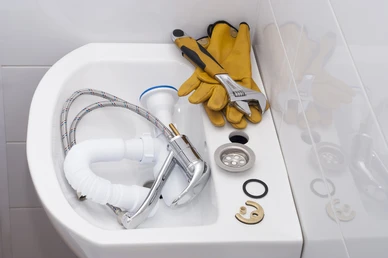
How to Prevent Common Plumbing Issues in Your Home
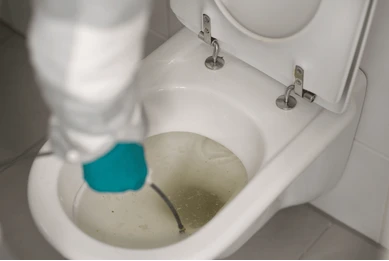
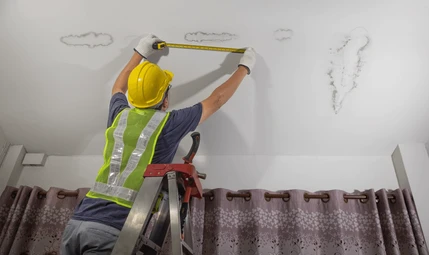
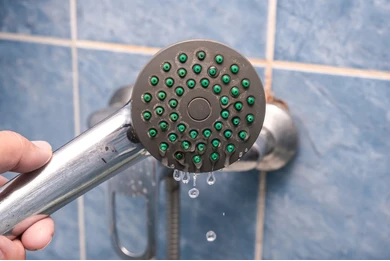
Plumbing issues can be a source of frustration and expense for homeowners, but with proper maintenance and preventive measures, many common plumbing problems can be avoided. From leaky faucets to clogged drains, small plumbing issues can quickly escalate into larger problems if left unchecked. This article provides practical tips and strategies for preventing common plumbing issues in your home, saving you time, money, and hassle in the long run. 1. Regularly Inspect Your Plumbing System The first step in preventing plumbing issues is to regularly inspect your system. Most plumbing problems, such as leaks, clogs, and drips, start small and are easy to fix if caught early. Check under sinks, around toilets, and along exposed pipes for any signs of moisture, rust, or corrosion. If you notice any damp spots or discolored areas, it could indicate a leak. Fixing leaks early can save you from water damage and higher water bills. 2. Address Dripping Faucets Immediately A dripping faucet may seem like a minor inconvenience, but it can waste a significant amount of water over time, increasing your water bill. It can also wear down the faucet and the surrounding fixtures, leading to more expensive repairs. A worn-out washer or O-ring typically causes dripping faucets. Replacing these components as soon as you notice the drip can prevent further damage and ensure efficient water use. 3. Prevent Clogged Drains with Simple Maintenance Clogged drains are one of the most common plumbing problems, but they are also one of the most preventable. Hair, grease, soap scum, and other debris accumulate in pipes over time, eventually causing blockages. To prevent clogs: Use drain guards: Install drain guards or strainers in your sinks and showers to catch hair, food particles, and other debris before they enter the pipes. Avoid pouring grease down the drain: Grease solidifies as it cools, causing it to stick to your pipes and form clogs. Instead of pouring grease down the drain, dispose of it in a container and throw it in the trash. Regularly clean drains: Use a mixture of hot water and baking soda or vinegar to clean your drains monthly. This will help break down any buildup and keep water flowing smoothly. 4. Monitor Water Pressure Levels High water pressure can cause stress on your plumbing system, leading to leaks, bursts, and damaged appliances. While a strong water flow might seem like a good thing, it can shorten the lifespan of your pipes and fixtures. To prevent this: Install a water pressure gauge: You can easily purchase a water pressure gauge at a local hardware store to monitor your home’s water pressure. Ideal water pressure for residential homes typically falls between 40 to 60 PSI. Install a pressure regulator: If you discover that your water pressure is too high, a pressure regulator can help control and maintain safe levels. 5. Insulate Pipes to Prevent Freezing Frozen pipes are a significant issue in colder climates, leading to burst pipes and extensive water damage. To prevent this from happening: Insulate exposed pipes: Pipes in unheated areas such as attics, basements, and garages should be wrapped in pipe insulation to prevent them from freezing during the winter months. Keep your home warm: Ensure that your home is adequately heated, especially during extreme cold spells, to keep water flowing through your pipes. Let faucets drip: On particularly cold nights, allow a small trickle of water to flow through faucets connected to exposed pipes. This can relieve pressure in the pipes and prevent them from freezing. 6. Install a Water Softener for Hard Water Issues Hard water, which is water with a high mineral content, can lead to a range of plumbing problems, including reduced water flow, clogged pipes, and shortened appliance lifespan due to mineral buildup. Installing a water softener can prevent the formation of limescale and extend the life of your pipes and fixtures. 7. Be Careful with What You Flush Toilets are only designed to handle human waste and toilet paper. Flushing items such as sanitary products, wet wipes, and cotton balls can cause severe blockages in your plumbing system. Even products labeled as “flushable” can contribute to clogs, as they do not break down as quickly as toilet paper. To avoid toilet clogs: Only flush waste and toilet paper: Make it a household rule to never flush anything other than waste and toilet paper down the toilet. Educate household members: Ensure that everyone in your home, including children and guests, understands what can and cannot be flushed. 8. Know the Location of Your Main Water Valve In the event of a plumbing emergency, such as a burst pipe, it’s crucial to know where your main water shut-off valve is located. Shutting off the water quickly can prevent extensive water damage to your home. Typically, the main water valve is located near the water meter or where the main water line enters your home. Regularly check that the valve is functioning correctly, and make sure all household members know how to operate it in an emergency. 9. Perform Routine Water Heater Maintenance Your water heater plays a critical role in your plumbing system, and regular maintenance is essential to prevent issues like leaks or a lack of hot water. Over time, sediment can build up in the water heater tank, reducing its efficiency and leading to potential problems. To prevent water heater issues: Flush the tank annually: Flushing the water heater tank at least once a year removes sediment buildup and helps maintain efficient operation. Check the temperature: Ensure the water heater is set to an optimal temperature, usually around 120 degrees Fahrenheit. This prevents scalding while reducing the risk of overheating the system. 10. Avoid Chemical Drain Cleaners While chemical drain cleaners may seem like an easy solution for clearing clogs, they can cause more harm than good. These chemicals are harsh and can erode your pipes over time, leading to leaks and weakened plumbing. Instead of using chemical cleaners, opt for mechanical methods like a plunger