Uncategorized

Little Elm Water Information
Uncategorized

Little Elm Water Information

Nestled in the heart of a lake town, Little Elm takes pride in its aquatic surroundings. The community’s affinity for water makes it the perfect home for chrome air conditioning Plumbing, conveniently located just off Eldorado Parkway. This article delves into the world of plumbing in Little Elm, providing lifelong residents and newcomers alike.   Where Does Little Elm Get Its Water From? Is It Hard Water? Like other municipalities in the northern Dallas-Fort Worth region, Little Elm the North Texas Municipal Water District. As a result, residents of Little Elm may encounter the same hard water issues common in North Texas, characterized by high concentrations of unsightly buildup on showerheads, faucets, and aerators.   Although hard water is tolerable for many people, a significant number of individuals prefer to use water filtration and softening systems to improve its quality and make it more suitable for their skin and drinking. While installing a comprehensive whole-house system can be a substantial expense, many choose to install a smaller, reverse-osmosis system specifically for purifying their drinking water.   It is recommended that residents of Little Elm establish a routine for regularly cleaning faucet aerators and showerheads. Luckily, this process is quite simple. Just remove the showerhead or aerator, wash away any particles from the filter screen, and soak it in vinegar to eliminate the calcium buildup.   The Water Tastes Unusual. Does Little Elm Have Good Water Quality? The taste of the water may seem strange at times. Is the water quality in Little Elm reliable? Variations in the tap water taste throughout the year are common for customers due to seasonal algal blooms.   Little Elm conducts regular monitoring of water quality to ensure it is free from contaminants. The comprehensive 2019 water quality report is available for viewing. Similar to other cities in the region, Little Elm’s water supply includes chlorine and fluoride. While most of the water is sourced from Lake Lavon, it may also come from other reservoirs like Lake Texoma and Lake Chapman.   Little Elm offers a specific form on their website that allows you to address any concerns you may have regarding the. Fill out this form to ensure that your feedback reaches the right person. chrome air conditioning Services Does Little Elm Practice Water Conservation? Given the finite nature of water resources, particularly during droughts, Little Elm places a  strong emphasis on water conservation. The town’s comprehensive water conservation plan is available for review. Additionally, residents can find information on the restrictions and schedules, which are in place to promote responsible water use.   Little Elm provides a useful tool to help you monitor your water usage more effectively. The tool, known as the “My Water Advisor App,” allows you to set up personalized alerts and track your water consumption through various methods.   To learn more about Little Elm’s rates for drinking water and wastewater services, refer to the relevant ordinance on this page. The town’s potable water supply is monitored through individual property meters. Meanwhile, the sewer fee is calculated based on a seasonal average, which is determined by the water usage recorded during the winter months of December, January, and February, a period when outdoor irrigation is typically minimal.   What Affects My Little Elm Water Bill? How Do I Shut the Water Off? Factors Impacting Your Little Elm Water Bill and Emergency Shut-Off Procedures. A water leak can significantly drive up your water bill, but you may be eligible for a Water Leak Adjustment from the City of Little Elm to mitigate the additional cost. This program encourages prompt repair of leaks by offering relief from excessive charges. To apply, complete the online form and attach a copy of your plumbing repair invoice, following the provided guidelines.   If there is a leak or problem that necessitates turning off the water supply to your house, two primary methods to do so. According to plumbing regulations, a shutoff valve must be installed on the main water line as it enters the house. In Little Elm, most of these valves are situated in a plastic “valve box” that is buried in the front garden. Interestingly, many homes in Little Elm have this valve box positioned near the front corner of the house closest to the water meter.   The water meter is another location where the water supply to the house can be turned off. It is typically found in a circular metal or rectangular plastic enclosure near the street. If you require the water to be shut off at the meter, the city can assist you with this service free of charge. To request this, you can contact the Public Works Department at 469-361-2700 during regular hours, or reach out to their emergency contact number at 469-361-2700 after hours.   Our upcoming article will delve deeper into the specifics of Little Elm’s plumbing regulations and explore some of the most frequently encountered plumbing problems.  
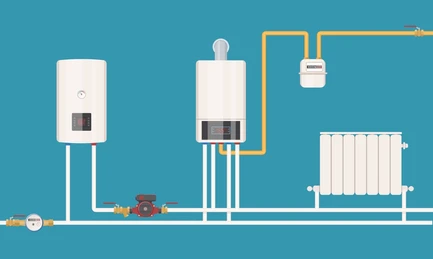
What Type of Gas Line Do I Have?
Uncategorized

What Type of Gas Line Do I Have?

In the northern Dallas-Fort Worth region, numerous residences are equipped with gas lines courtesy of Coserv or Atmos. Compared to electricity, natural gas offers several benefits. For instance, gas-powered water heaters and their electric equivalents. Additionally, gas furnaces can warm up a space more rapidly. Many homeowners also prefer the cooking experience provided by gas stovetops over electric ones. Furthermore, the ambiance and warmth of a gas fireplace are a welcome luxury during the cold winter months.   Natural gas can be unsettling as, requires periodic maintenance in your home. Better understanding of gas system care, you can alleviate any apprehension you may have. Whether your current home already has or you are considering buying one, this article is aimed at helping you.   In this section, we’ll explore traditional materials and methods used for residential gas lines in the North DFW region, highlighting potential problems associated with each approach.   Where is Your Gas Meter? The gas utility provider, either Atmos or Coserv, is accountable for maintaining the gas infrastructure that serves the neighborhood, with their responsibility ending at the point of the individual home’s gas meter. From there, the homeowner assumes ownership of the gas line. Typically, the gas meter can be found in the alley behind the residence or situated adjacent to the house, often on the right or left side are commonly colored gray or forest green and are roughly the size of a standard backpack.   When the gas meter is positioned close to the house, the line in the yard supplying the meter falls under the gas company’s jurisdiction. However, if the gas meter is situated at a distance from the house, such as in the alley, then the gas line running through the yard to the house becomes the homeowner’s responsibility.   In yards of older homes constructed before the mid-to-late1970s, it is common to find lines buried underground unless they have been updated. These pipes are customized to the required length and threaded using specific tools. The underground line in the yard typically includes 90-degree fittings at both ends to direct the pipeline vertically. One end connects to the meter, while the other end emerges above ground and enters the building. In many cases, there is a shut-off valve where the line enters the structure.   Regrettably, the deterioration of these steel yard lines is not a question of possibility but inevitability. Despite not carrying water but gas instead, the moisture in the soil will eventually corrode the lines, leading to leaks. A leaking gas line underground may manifest with a patch of dead grass above the leak, a noticeable sulfur odor in the surrounding area, and an increase in the gas bill. Typically, in cases of such failures, the entire line is replaced rather than attempting to repair a specific section.   Polyethylene Yard Line In the mid-to-late 1970s, a new type of gas line, known as polyethylene, began to emerge in this region. One of the key benefits of these lines is their resistance to rust and corrosion, thanks to their durable plastic composition. The underground section of the line will consist of a single, unbroken length of polyethylene piping, with connections only at the beginning and end. At each termination point, the polyethylene line will be joined to an anodeless riser, a steel sleeve shaped like an “L” that facilitates a smooth transition from the underground plastic line to above-ground steel piping.   Polyethylene pipe is not as structurally strong as steel pipe, making it susceptible to damage if struck during excavation or if a stake is forced into the ground. Apart from these instances, there are typically no other significant issues that may arise with the gas line itself.   Typically, gas leaks on these lines are discovered at the points where the underground pipes connect to the risers or on the exposed steel pipes above ground. The most common culprits behind these leaks are shifting soil and subpar installation practices. When a leak occurs, it often manifests as a strong gas odor in the surrounding area and an unexpected spike in gas consumption.   Black Iron Piping in the Home In residential settings, black iron piping is commonly used for distributing gas to various appliances such as fireplaces, dryers, ranges, furnaces, and water heaters. Older homes in the North DFW region typically utilize black iron or steel pipes for this purpose, with each pipe section being cut to size and threaded during construction. The assembly of the pipes and fittings is done by hand.   System Design Designing the system involves starting with a larger pipe size at the point of entry into the house, which can vary in size depending on the system. As smaller pipes branch off from the main, they progressively decrease in size until they reach the appliances, usually at a smaller size. The mainline typically runs through the attic, while the smaller lines drop down behind the appliances and connect to them. Each appliance should have a shut-off valve, commonly identifiable by its red, yellow, or older gray handle.   Common Problems Although this steel pipe is remarkably resilient, its vulnerability lies in the threaded connections. As the pipe undergoes thermal expansion and contraction in the attic, the fittings can develop leaks, particularly if the installation is not done with meticulous attention to detail. A distinctive indication of a leak is the pungent odor of sulfur, which is a characteristic of the gas. If you suspect a gas leak within your home, please refer to our service page for guidance and further assistance.   CSST GAS Systems Residential construction, spanning the past decade been equipped with CSST gas systems. CSST, or Corrugated Stainless Steel Tubing, is a type of flexible piping that offers a lightweight and straightforward installation process. While the material itself may be pricier than traditional black iron, the reduced labor costs associated with its ease of installation often offset this expense, making it a preferred choice among builders.

Low Water Pressure
Uncategorized

Little Elm Plumbing Code and Plum bing Issues

This article will delve into the specifics of the Little Elm plumbing code and explore some of the most frequent plumbing issues in Little Elm, Texas. By sharing this knowledge, we aim to empower homeowners with the insight needed to proactively maintain their plumbing systems.   What Plumbing Code Does Little Elm Follow? The city of Little Elm adheres to the 2018 International Plumbing Code (IPC), aligning with most of the North Central Texas Council of Governments. For those seeking additional information on the IPC, the International Code Council (ICC) website is a valuable resource. The IPC is the most widely accepted plumbing code standard across the United States.   While plumbing code standards are tailored to suit its serving multiple cities in North DFW to stay up-to-date on the various code amendments attributed to both written and adopted code amendments, as well as the individual interpretations of local code enforcement officials. For a deeper understanding of Little Elm’s specific code amendments, visit Chapter 22 of their Code of Ordinances.   Sewer Line Repairs In Little Elm, a frequent problem we encounter is damaged sewer lines in residential yards. Many homes in the area were built within the past quarter century, during which for sewer lines. Although PVC remains a popular choice today due to its resistance to rust and decay, it is not immune to damage caused by soil shifts. If your neighborhood has experienced ground settlement or foundation problems, likely, sewer line issues will likely arise, as the PVC pipes can be prone to cracking under these conditions.   If the pipe is in the yard due to changes in the nearby trees and bushes will eventually find the new nitrogen-rich water source and send roots into the pipe. This will result in ongoing blockages until the pipe is fixed. If you are still facing issues with your main sewer line getting clogged, there is probably a broken pipe on your property that requires fixing. As a homeowner, you are accountable for repairing breaks that occur within your property boundaries. Little Elm, on the other hand, is responsible for maintaining and fixing the lateral pipes up to the property lines.   water line and sewer line Another one of the most common issues we deal with in Little Elm is water heater replacement– due to the time frame during which many of the houses were constructed. Electric water heaters are pretty common in Little Elm and they have an average life expectancy of 13-15 years before the tank itself starts to leak. Natural gas water heaters are also common, and you can expect them to last around 10-12 years on average. Because so many homes were built in the early to mid-2000s, we do a lot of water heater replacements in Little Elm.  

Uncategorized

Frozen Pipes, Home Insurance, and the Texas Winter Storm

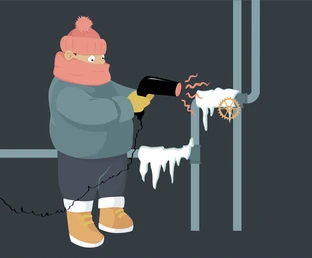
The recent Texas winter storm caused significant damage to many homes in North Texas due to frozen pipes. The main issue was not just the extreme cold weather, but also the loss of power that prevented homes from maintaining temperatures above freezing. This, coupled with typical construction practices in the region and insufficient freeze protection measures, led to widespread plumbing failures. A surge in emergency plumbing calls overwhelmed DFW plumbers for weeks, and even a month after the initial crisis, numerous households remain without hot water due to a lingering bracing themselves for a prolonged and arduous process of repairing water damage that will stretch on for months to come.   Numerous inquiries have come in about the coverage provided by the home from frozen plumbing pipes and subsequent cleanup/restoration. To shed light on these inquiries, we consulted Barney Schwartz, the President of Personal Lines and Small Business at Assured Partners of Texas Insurance Agency. The ensuing discussion highlights key points that can benefit homeowners who have already submitted or are considering filing an insurance claim for their pipes.   Just how severe was this Winter storm? How does its impact measure up to other calamities in terms of financial toll and scope? (Ind previous records as the costliest insured disaster in Texas history.) Indeed, the projected damage is expected to dwarf that of Hurricane Harvey, and what’s more, this storm’s reach was statewide, unlike other devastating events that have typically been confined to specific metropolitan.   A decade ago, a comparable winter storm hit Texas, yet it had outages that led to pipe damage. Instead, the most severe losses reported during that storm were primarily related to sprinkler system failures in luxury residences and commercial high-rise buildings.   Taxes homeowners policies commonly cover sudden and accidental water damage, along with frozen pipes if preventive measures were taken. However, is typically not covered if the property is vacant. The extent of coverage for slow water leaks may differ among insurance companies, but generally, damage inside the home is required for a claim to be valid.   Taking preventive measures, such as allowing faucets to drip during freezing temperatures, can be considered a necessary precaution. Homeowners’ homes warm, protect outside faucets, and take other necessary steps to minimize potential damage.   When dealing with what expenses their insurance will cover. While the actual repair of the pipe itself is typically not included, most policies do cover the costs associated with accessing the home. However, there usually needs to be evidence of damage within the home for a claim to be valid – if the pipe is broken but hasn’t caused any harm to the property, it’s unlikely to be covered. On the other hand, if the damage renders the home uninhabitable, many insurance policies provide provisions for temporary accommodation, covering the costs of relocating to a temporary residence.   Homeowners with outdoor tankless water heaters may be facing a complete replacement. Does a standard homeowners policy typically cover major appliances like these? The answer is that larger appliances might be covered, but only if the damage is a result of a risk that is specifically listed as covered in the policy. chrome air conditioning Services|Heritage Plumbing Solutions What are some typical exclusions or grounds for claim rejection? The most common reason for denial is a lack of interior damage to the property. Additionally, many policies do not cover damage caused solely by cold temperatures. Generally, damage to landscaping or vegetation is not covered under standard policies. Furthermore, homes that have been unoccupied for an extended period, typically exceeding 30 days, may not be eligible for coverage.   Following situation: a frozen pipe bursts, prompting a plumber to make repairs. Weeks later appears in another area, also apparently caused by This raises concerns about the potential impact on an insurance claim and the deductible. Determining whether the second issue is a continuation of the original loss or a new incident can be challenging. If the insurer deems it related to be applied. However, if it’s deemed a separate claim, a new deductible will be required. It’s essential to exercise caution when filing multiple claims, as submitting a third unrelated claim (likely classified as policy non-renewal, results in higher premiums and reduced coverage options.   Considering this, do you suggest that homeowners should hold off on submitting a reasonable certainty that there will be no further delayed consequences from the freeze? I advise against waiting for that specific reason, but I do recommend delaying if the damages do not exceed $2,000 beyond the deductible. This is because filing a claim might lead to potential increases in insurance rates.   Can additional provisions be included to prevent future difficulties? For instance, a provision that covers the cost of lodging in a hotel or apartment for major claims? Or a provision that covers additional meal expenses while a kitchen is out of use? An essential provision for water claims is coverage for slow leakage and seepage. This provision would not have impacted the recent storm since most pipe issues were viewed as sudden and accidental. Temporary accommodation is typically included in the majority of home insurance policies. It is crucial to obtain approval from the claims adjuster for temporary accommodation expenses.   Should homeowners file a homeowners insurance claim first or immediately get a plumber and remodeler to start work? Pros and cons? It is advisable to evaluate the extent of the damage before deciding whether to file a homeowner claim or hire a plumber and remodeler. Consider whether the damage exceeds $2,500 above your deductible, as reporting a claim for lesser amounts may lead to higher premium costs. While the plumber’s services can be included in the claim, it’s important to note that the repair itself may not be covered, only the assessment and the causes of the damage.   How might actual cash value vs replacement value affect claims resulting from the Texas winter storm? How can this impact plumbing? The distinction

Water Heater FAQ’s
Uncategorized

Water Heater FAQ’s

How does hard water affect a water heater? What causes popping/rumbling noises from a water heater? How can I fix noises from a water heater? How can I stop the popping sounds? What ongoing maintenance is recommended for tank-style water heaters? How do I clean the combustion air intake screen of my water heater? What is a water heater anode rod? How is my water heater’s anode rod maintained? What is a T&P; valve? Is a temperature and pressure relief valve required when I replace my water heater? How do I inspect my Temperature and Pressure Relief Valve (T&P; Valve)? How do I know if my water heater expansion tank is bad? What are the advantages of a tankless water heater? What are the disadvantages of a tankless water heater? What is involved in replacing a tank-style water heater with a tankless water heater? WATER HEATER PLUMBING CONSIDERATIONS. What is a sediment trap? Is a sediment trap required when I replace my water heater? What is an expansion tank? Is an expansion tank required when I install a new water heater? What is a water heater pan? Is a drain pan required when I install a new water heater? Is my water heater propane or natural gas? Why is water heater capacity important for installation and what size is needed for my home? TROUBLESHOOTING WATER HEATERS. How can I tell if I’m having an issue with my water heater or my shower? How do I light the pilot on my water heater? LEAKING WATER HEATERS. What is the lifespan of a water heater? Can you fix a leaking water heater? How long is my water heater warranty? How do I check the water line connections at my water heater? How do I know if my water heater supply lines are leaking? How can I shut the water off to the water heater? How do I know if my water heater shut-off valve works? Water Heater Venting. What is required for the venting of a gas water heater? How far does the vent of the water heater need to be from combustible material? How should water heater venting be connected? How do I know if my atmospheric vent water heater is venting properly?

Uncategorized

Toilet FAQ’s from a Plumber

– Why does my toilet leak whenever it is? – How can I repair a toilet leak around the base? – How can I determine if my toilet is leaking at the base? – What is the efficiency rating for chrome air conditioning toilets? – Is it better to replace an old toilet or repair it with new parts? – How can I increase the flushing power of a low-flow toilet? – Will you pick up my toilet from the store on your way to my house- Can pouring dish soap down the toilet help unclog it? – Which toilet brand is considered the best? – Can pouring hot water down a clogged toilet help unclog it? – What is the most effective way to unclog a toilet? – How difficult is it to relocate a toilet for a better  – Is it safe to flush cat litter down the toilet? Bathroom layout? – Do I need a plumber to install a bidet seat or smart toilet seat in place of a regular toilet seat? – What are the differences in size between elongated, compact, and ADA-compliant toilets? – What are the necessary dimensions for roughing in a toilet, including the distance from other fixtures and walls? – What is a silent toilet leak, and is it a common issue? – Can a wobbly toilet lead to more significant problems? – What is an upflush toilet, and is it necessary on the ground floor? – How long can a toilet flapper and fill valve be expected to last?  

Uncategorized

Texas Slab Leak Signs

In North Dallas, most houses are constructed with copper water pipes running beneath the concrete slab foundations, which.   One of these underground pipes can lead to significant destruction and be This type of issue is often referred to as a slab leak. With over 15 years of experience, Chrome Air Conditioning has established itself as a leader in detecting and repairing slab leaks, boasting unparalleled expertise in the field compared to other plumbing companies in the area. To learn more about slab leaks and the warning signs.   Upon finishing the article, you will acquire a thorough comprehension of the typical indications of slab leaks in homes with slab foundations located in the North DFW region. You will be well-prepared should this issue arise in your own home. With this knowledge, you can address any signs that manifest with assurance. Below is an overview of the upcoming.   Slab Leak Risk Factors Built between 1965 and 2005 Copper water pipes Corrosive soil Corrosive water supply Recirculation system Leaking water heaters Foundation Repair Improper installation Significant remodel Previous slab leak Hot Water Slab Leak Signs A hot or warm spot on the floor Constantly running water heater Less total hot water The water heater outlet is always hot Quicker hot water at fixtures General Slab Leak Signs Hissing noises High water bill Running water meter Buckling wood floor Interior wall water damage Muddy soil outside Foundation movement There are a few things that you’ll need to understand about plumbing and basic home construction to have insight into what potential your home has for slab leaks. To start, familiarize yourself with the distinct functions of your home’s plumbing systems, specifically the sewer and water supply networks. Next, gain insight into the typical materials used for these pipes, their standard installation methods, and the types that are prone to your home’s specific characteristics, including its age, foundation type, and past repair history, to better understand its unique plumbing needs.   What types of homes and plumbing pipes experience slab leaks? Which types of residences and plumbing systems are prone to slab leaks water slab leak from a sewer slab leak? In a typical suburban Taxes home, the municipal water supplier provides the water, which is metered at the point of entry to water lines are pressurized to a range of 40-100 pounds per square inch (PSI) on average, maintaining a steady flow of water.   The sewage system, however, consists of either large PVC or cast iron pipes. Cast iron pipes were typically installed in houses constructed before 1986. In contrast to the water system, there is no force propelling the waste through these pipes. The pipes are all inclined downward to allow gravity to carry the waste out to the sewer pipes that cater to the neighborhood.   If the pressurized water supply pipes develop leaks, they will continue to leak constantly, regardless of faucet usage. This can result in a substantial volume of water seeping into the ground rapidly. In contrast, when sewer pipes break and begin to leak, they will only release water when the system is being utilized and will not leak more water than is being drained.   In this article, we will primarily concentrate on leaks in pressurized water supply pipes under the slab, as they can be detected without specialized equipment. Compared to other types of slab leaks, these pressurized pipe leaks often require more immediate attention due to their potential to cause significant damage and disruption.   Are PEXCOPPER water pipes prone to leaks? Do PEXCOPPER water pipes tend to develop leaks? In North Dallas residences constructed within the past six decades, the primary materials used for water piping are copper and PEX.   Does a slab leak cause water damage inside the house? Can a slab leak result in water damage within the house? In some cases, the soil beneath the slab can absorb the leaked water, masking any signs of damage inside the home. Nevertheless, as the leak progresses, it is likely to manifest itself indoors, causing noticeable problems.   Water can rise upwards through various openings in the concrete slab when the soil becomes overly saturated. Any location where the concrete presents a chance for water to push its way up. Additionally, small cracks in the concrete slab can also permit water to surface.   Water can frequently trickle along walls and beneath flooring before being noticed, leading to a slab leak. A wet carpet in a closet can alert individuals to the presence of a leak, while others may observe a gradual worsening of buckling in their hardwood flooring.   In some cases, water can seep into the baseboards, leading to expansion or absorption into the drywall, resulting in a weakened area in the gypsum core, although flooring damage is typically apparent before this occurs.   Can a slab leak show itself outside the home? One additional clue to watch for when suspecting a slab leak is excessive moisture in the soil directly surrounding the foundation. Although this may result from leaks in irrigation pipes or the main water line in the yard, a conspicuously saturated section near the edge of the slab commonly suggests a leak on a water pipe beneath that specific area of the slab.   What does a slab leak do to the concrete slab foundation? A slab can have a profound impact on a concrete slab foundation, potentially leading to structural instability. When a significant amount of water accumulates beneath the slab, it can cause the underlying soil to expand, generating immense pressure that can force the concrete to rise or shift. This movement can cause doors and windows to become misaligned, making them difficult to open or close. In severe cases, the resulting stress can also lead to cracks in the walls and ceilings.   What are the signs of a hot water slab leak? Signs of a hot water slab leak may include symptoms similar to those of leaks in cold water

Slab Leak Repair Cost?
Uncategorized

What impacts Slab Leak Repair Cost?

Factors affecting the cost of repairing a slab leak are worth considering. If you have owned a home in North Texas for some time, you are likely familiar with someone who has dealt with a slab leak issue.   Slab leaks occur when there is a leak in the copper pipes located beneath the concrete slab foundations of many homes constructed in North DFW cities such as Plano, Frisco, McKinney, and Carrollton over the past six decades.   Repairing a water leak beneath your home’s concrete foundation can be a significant and costly plumbing undertaking, and the varying price quotes and factors involved can be overwhelming for many homeowners to navigate.   Plumbing, our goal is to empower homeowners with knowledge about their plumbing systems, various repair techniques, and key factors to consider, whether they’re dealing with a minor issue like a dripping faucet or a more complex problem like a slab leak.   This article delves into the key factors that influence the cost of repairing a slab leak, providing you with a clearer understanding of what to anticipate if you encounter this issue.   Slab Leak Tunnel Cost Considerations Whether a single spot is being repaired or whether an entire line is being replaced Whether a water line manifold needs to be accessed in the wall inside the house Whether bedrock is encountered during the excavation Whether concrete beams need to be chipped away to access the pipe Slab Leak Floor-Penetration Cost Considerations The flooring type above the leak Location of the leak relative to walls and structures of the house Whether the leak is encased in or underneath a concrete-grade beam The size of the floor penetration required to properly access and repair the pipe Whether a water line manifold needs to be accessed in the wall as part of the repair Slab Leak Reroute Cost Considerations Whether the home is 1-story or 2-story Whether the leak is on the hot water system or the cold water system The space and accessibility of the attic areas How many interior wall manifolds need to be accessed Whether specialty wall finish or cabinetry needs to be removed to access the manifolds   Tunneling under the house is almost always one of the highest-cost options for repairing a slab leak. This is due to the total amount of labor involved. To access the leaking pipe under the slab, a tunnel will need to be dug from the outside of the foundation to the spot where the leak is.|Factors to Consider for Costs Related to Slab Leak Repair Methods When assessing costs for addressing slab leaks, several factors must be taken into consideration. These, whether a single area or an entire line need repair, access to a water line manifold within the house’s wall, encountering bedrock during excavation, and the need to chip away concrete beams to reach the pipe. Additionally, for floor-penetration costs, factors such as the type of flooring above the leak, the leak’s proximity to walls and structures, accessing a leak encased in concrete, the necessary size of the floor penetration, and the need to access a water line manifold in the wall are crucial. Moreover, for rerouting costs, aspects like the home’s number of stories, the affected water system, attic space accessibility, access to interior wall manifolds, and potential removal of wall finish or cabinetry for manifold access must be considered. Tunneling under the house is often the costliest slab leak repair option due to the extensive labor required to dig a tunnel from the foundation’s exterior to the leak site.   To ensure safe working conditions, the tunnel will be constructed with a height and width of approximately 3 feet, providing ample space for manual excavation. The local soil density is roughly 2,000 pounds per cubic yard, which means that for a 15-foot-long tunnel, approximately 10,000 pounds of soil will need to be carefully removed by hand.   What are some of the variables of a slab leak tunnel project? In some cases, the leak in the copper pipe may be located near the edge of the foundation, which can impact the project’s requirements. The cost of tunneling is typically determined by the total length of the tunnel and the number of access points needed, with additional charges for inspections and diagnostic services.   Encountering bedrock or other obstacles during excavation may only become apparent once work has begun. In certain cases, sections of the concrete foundation may have to be removed to access water lines embedded in the concrete during construction.   Based on the findings from the initial assessment, the extent of repair needed for the copper water line can vary. It could range from replacing a single section to the entire line especially if it runs through the tunnel. In some instances, repairs may involve working on the copper water pipe distribution system inside the wall of the house. In such cases, the wall housing the distribution system may need to be opened up, requiring additional expenses for sheetrock repair. These extra costs should also be taken into account.   Slab Leak Floor Penetration Cost In some cases, a floor penetration approach is deemed the most effective way to fix a slab leak. Although the plumbing work itself may be less expensive than tunneling, the interior of the home is often more affected. The cost and impact of a floor penetration ultimately depend on the leak’s specific location.   What type of flooring? Hardwood?Tile?Carpet? When choosing a flooring type, such as carpet costs involved, including potential repairs to the underlying structure. The extent of the work required can vary greatly, ranging from a relatively simple task of re-stretching carpet to a more complex and labor-intensive process of cutting through continuous hardwood flooring.   Most often, a skilled technician can accurately pinpoint the location of a leak using both sonic and thermal detection methods. However, achieving 100% certainty is challenging due to the complex ways in which sound and heat move through materials

Uncategorized

Water heater Location in the Home Where is your water heater located?

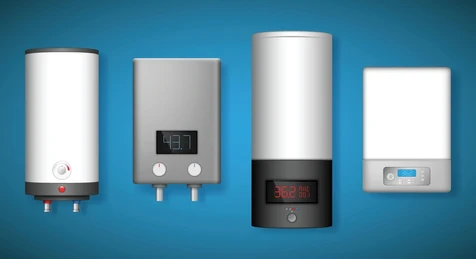
The placement of your water heater can have a significant impact on its overall performance, energy efficiency, and risk of causing water damage in the event of a leak. As a homeowner in Texas, it’s crucial to be aware of your water heater’s location and its implications for your home’s maintenance and potential vulnerabilities.   Water Heaters Outside Or In The Garage outdoor or garage placement of water heaters requires consideration. Conventional tank-style water heaters, whether gas or electric, are not designed to withstand direct exposure to the elements and need protection from the weather. In the Dallas-Fort Worth area, it’s common to find them installed in garages, particularly in newer homes built in cities like McKinney and Frisco over the past few decades.   Since garages are often not temperature-regulated, wrapping any exposed pipes connected to the water heater is essential to safeguard against freezing temperatures. However, as long as the water heater is operational and receiving its necessary internal heat to prevent itself from.   Tankless water heaters are designed to be suitable for outdoor installation in certain cases. In such as those in the Frisco/McKinney region, tankless water heaters are commonly situated in exterior metal cabinets that are integrated into the brick or stucco siding. Similar to traditional tank-style water heaters, it insulates the plumbing pipes for tankless water heaters, and the tank automatic freeze protection when the house receives electricity.   Having a tank-style water heater or tank, the garage is usually the best spot for houses in the northern Dallas metro area. If there is a malfunction the unit begins to leak, and the impact on the home is typically limited.   Water Heaters Inside The House Water heaters were typically installed inside older homes constructed before the 1970s. These homes often use gas water heaters, which are commonly next to a gas furnace the laundry room or a separate mechanical/utility closet. This setup is frequently seen in areas like Plano, Richardson, and Carrollton where many homes are of older construction.   In the past 50 years, the practice of placing gas or electric water interior closets has become less frequent, but it has not completely vanished. Many modern homes still feature this design element for various reasons.   One benefit of this method is that the water heater is typically situated in a central location, allowing for quick access to hot water throughout the home. Additionally, these water heaters are more accessible for homeowners to regularly check and maintain, making it easier to identify and address any potential issues.   When these water heaters develop leaks, they can cause significant harm to the surrounding property. Although they installed a backup drain pan to mitigate potential damage, a severely leaking water heater can quickly overwhelm the pan’s capacity, leading to costly and messy consequences – a scenario that occurs with alarming frequency.   Many individuals with water heaters may consider moving them to another location to free up closet space for other uses. However, relocating a water heater can be costly as it requires rerouting gas piping, water lines, vent ducting, and more. It is often more practical to plan on replacing the water heater preemptively once it reaches 9 or 10 years old to minimize the risk of potential damage.   Water Heaters In The Attic For decades, the attic has been a favored spot for installing water heaters in residential construction. From a builder’s standpoint, this location is often the most cost-effective, as it typically requires minimal venting and gas piping. Additionally, placing the water heater in the attic keeps it hidden from view and frees up valuable living space.   Unfortunately, the attic is a particularly hazardous location for installing a gas or electric water heater. Due to their remote location, these units often go unchecked and uninspected by homeowners, leaving them vulnerable to potential disasters. In the event of a leak, the resulting overflow can have devastating consequences, including collapsed ceilings and extensive damage to floors and belongings below.    To minimize the risk of water damage, some homeowners consider switching to tankless water heaters. However, while tankless models may not have a predictable lifespan like traditional tank-style heaters, they are still susceptible to leaks and subsequent damage when they malfunction. The size of a water heater tank can be deceiving, as it’s the water pressure from the plumbing system, rather than the tank itself, that poses the greatest threat of damage.   In summary, regardless of whether you have a tankless water heater in your attic or a traditional tank-style one, it is crucial to conduct regular inspections and maintenance. It is recommended to inspect all visible connections on the water heater, recirculation pump, and expansion tank for any indications of moisture or corrosion several times annually.   Consider replacing the water heater before it reaches the end of its expected lifespan as a proactive measure. Additionally, think about adding a flood protection device or water alarm system for added security.   What’s next? If you’re curious about water heaters, be sure to explore our detailed FAQ blog post. This article addresses frequently asked questions regarding the operation maintenance of water heaters.   For those considering a new water heater, our service pages offer detailed information on the various types of water heaters we offer, including gas, electric, and tankless models, as well as the installation services we provide.   If you need further clarification or would like to inquire about costs for water heater replacement or repair, don’t hesitate to reach out to us. Our knowledgeable and experienced customer service team is available to discuss your specific needs and provide personalized assistance:469-361-2700   chrome air conditioning your support. If you benefited from this information, consider sharing it on your social media platforms or forwarding it to colleagues, loved ones, or acquaintances who might also find it useful.

Uncategorized

Comparing Water Heater Brands for North Dallas Homeowners by Chrome Air Conditioning

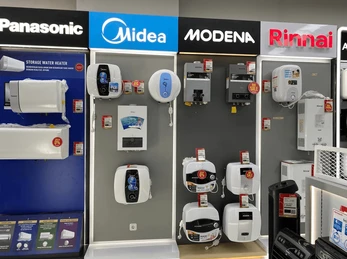
For homeowners in the Dallas region, particularly in North Dallas, it’s common for traditional gas water heaters to develop leaks within the tank after a decade of use, typically between 10 to 12 years, unless replaced beforehand. In contrast, electric tank-style water heaters tend to have a slightly longer lifespan, with the average tank failing between 12 to 15 years.   Regardless of the manufacturer, the average lifespan of a modern water heater tends to be consistent. While the brand name may vary, the overall durability of these appliances. However, it’s worth noting that regular maintenance and investing in a premium model with an extended warranty and enhanced corrosion protection can significantly increase its lifespan.   Water Heaters As your water heater nears the end of its lifespan and you consider upgrading to a new tank, it’s natural to have some concerns about making an informed decision. A common inquiry we receive is: “Which water heater brand is the best choice for?   Each year, we handle the repair and replacement of numerous water heaters. Therefore, this article will provide a summary of commonly found in the McKinney/Plano region.   Chrome Air Conditioning exclusively offers and installs Reliance brand tank-style water heaters. Although the differences between standard 40 or 50-gallon gas and electric water heaters from various brands may be minimal, our experience has shown that Reliance consistently delivers superior quality and customer support, setting it apart from other brands we’ve partnered with.   Water Heater Brands In the DFW area, a significant proportion of tank-style gas and electric water heaters are manufactured by a small group of parent companies. Specifically, Rheem, A.O. Smith, and Bradford White are the dominant players, with a portfolio that encompasses a range of subsidiary brands, including Ruud, General Electric, Kenmore, State Water Heaters, American Water Heaters, Whirlpool, and Lochinvar.   Rheem/Ruud Rheem Manufacturing Company, based in the United States, heater manufacturer. The Rheem brand was established in 1925, while the Ruud brand dates back to 1897. Initially, Ruud specialized in gas-fired water heaters, while Rheem its production before focusing on becoming a top water heater manufacturer in the 1940s   Rheem/Ruud, now a combined entity, is recognized for producing water heaters and HVAC systems. They also possess several other brands like Richmond, Eemax, and Ecosmart. In the past, they were involved in manufacturing water heaters for General Electric.   Rheem offers a range of warranty options for their 50-g gas water heater, with the most popular choices being warranties lasting from 6 to 12 years for parts. When it comes to tankless water heaters designed for home use, Rheem typically provides a 15-year warranty for the heat exchanger and a 5.   Rheem’s conventional residential tank-style gas water heater boasts several notable features, including a brass drain valve with improved flow capabilities, eliminating the need for a plastic valve, and a design that to be cleaned. Additionally, the unit is equipped with a TRD device that automatically shuts off both air intake and fuel supply in the event of a potentially hazardous flammable vapor accumulation.   AO Smith A.O. Smith, established in 1874, initially produced a range of items before expanding into the production of water heaters in the 1930s.   As a leading producer of water heaters, the company has expanded its portfolio through strategic acquisitions, incorporating several prominent brands under its umbrella, including Takagi, State Water Heaters, American Water Heaters, Reliance Water Heaters, and Lochinvar. Additionally, the company has previously manufactured water heaters for well-known brands such as Whirlpool and Kenmore, although these brands are no longer active in the water heater market.   The standard warranty choices for A.O. Smith residential water heaters, which are usually 50 gallons in capacity, include durations of 6, 8, or 10 years.   The standard gas residential unit they promote includes features such as a gas burner design with low-NOx emissions, a diffuser dip tube design that is trademarked to prevent sediment buildup, and an anode rod containing a stainless steel core for extended durability.   Bradford White Established in 1881, Bradford White has evolved into a leading US-based company specializing in the production of water heaters, with a reputation that spans over a century.   In contrast to their competitors, they have a reputation for exclusively manufacturing water heaters under their own brand and for distributing them directly to professionals via supply houses instead of selling them to consumers through large retail chains. Additionally, they stand out as one of the few water heater companies that produce all their products in the United States.   The standard warranty provided for Bradford White residential water heaters ranges from 6 years to 10 years, based on the unit’s age.   Among the key features often highlighted in their standard gas residential water heaters are an advanced “ICON” gas control valve with built-in diagnostic capabilities, a specially designed dip tube that minimizes sediment accumulation, and a thermal safety switch that can be reset in case of an emergency.   Rinnai Rinnai America Corporation is the US subsidiary in the North Dallas region for is a leading provider of tankless water heaters.   With a history dating back to 1920, Rinnai Corporation has long-quality gas and oil-powered appliances. Their extensive experience has enabled them to establish a robust and reliable distribution network, providing customers with comprehensive support and service.   Rinnai offers a 15-year warranty on the heat changer and a 5less water heater designed for residential use. They highlight features such as the “CircLogic” recirculation technology and WiFi connectivity available in certain popular Sensei models.   Navien Navien also known as KD Navien, is a newer Asian water heater company compared to its competitors. Established in 1972, Navien entered the North American market in 2008.   This product rapidly gained a strong reputation for its reliability and has become a top choice for replacing traditional tank-based systems. Its key features include a pair of durable stainless steel heat exchangers and innovative recirculation technology.   Navien offers

Scroll to Top
Chrome Logo Web Transparent

Scheduled an Appointment