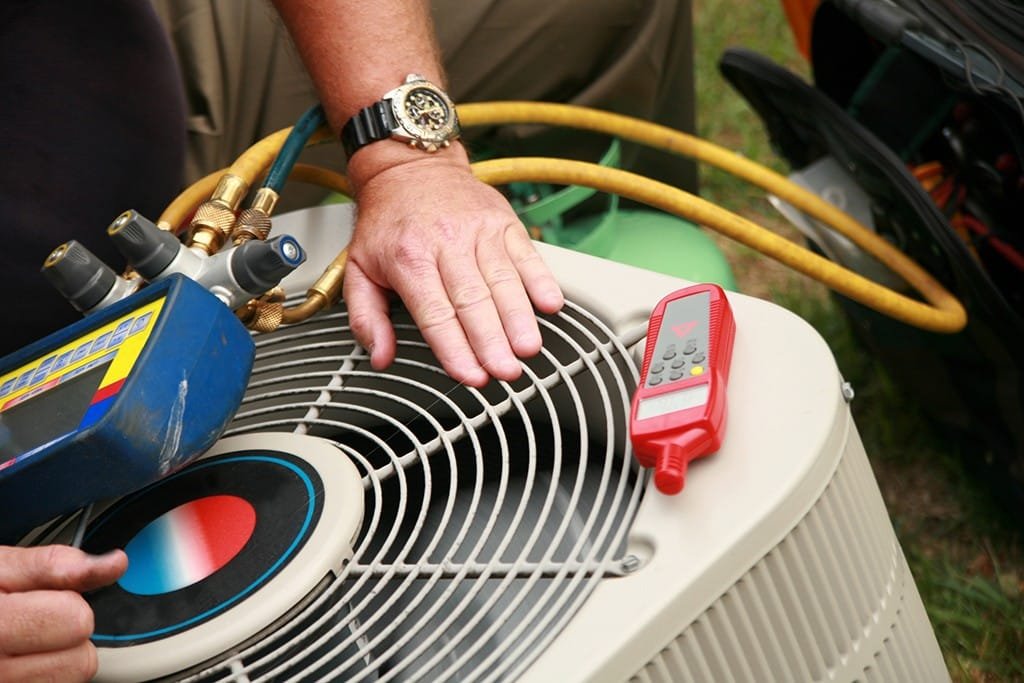
Why Does My AC Run All Day in the Texas Heat?
Why Does My AC Run All Day in the Texas Heat? When Texas temperatures climb into the 90s and 100s, your air conditioner has to work much harder to keep your home comfortable. But if you notice that your system seems to run nonstop, you may wonder, why does my AC run all day? During extreme Texas heat, longer cooling cycles can be normal. However, if your AC runs continuously and your home still feels warm, there may be an underlying problem. Issues such as restricted airflow, dirty filters, refrigerant problems, poor insulation, thermostat issues, or an improperly sized system can all cause excessive runtime. Chrome Air Conditioning helps homeowners identify and address AC problems so their systems can cool efficiently during demanding Texas summers. Is It Normal for an AC to Run All Day in Texas? It can be. When outdoor temperatures are extremely high, your air conditioner may need to operate for extended periods to maintain the temperature you selected. So, is it normal for AC to run all day in summer? Sometimes, yes—especially during the hottest part of the day. Modern variable-speed systems may intentionally run for long periods at lower speeds because this can provide more consistent cooling and humidity control. The concern starts when your system runs continuously but cannot maintain your desired indoor temperature. If your AC runs all day but doesn’t cool, it is worth investigating the cause. Why Is My AC Running Constantly? If you’re asking why is my AC running constantly, several potential causes could be responsible. 1. Extreme Texas Heat Texas summers can push your AC system to its limits. When the outdoor temperature is extremely high, the difference between your indoor and outdoor temperatures becomes significant. Your system may simply need longer cycles to remove enough heat from your home. 2. Dirty or Restricted Air Filter A clogged filter can restrict airflow through your HVAC system. When not enough air moves through the system, your home may take longer to cool. This can result in an AC running constantly but house still hot. Checking your filter regularly is one of the simplest maintenance tasks homeowners can perform. 3. Low Refrigerant Refrigerant is essential for absorbing heat from indoor air. If your system has a refrigerant leak or an incorrect charge, it may struggle to produce sufficient cooling. One common symptom is an AC runs all day and still hot situation. If you suspect a refrigerant problem, have a qualified HVAC professional inspect the system rather than attempting to handle refrigerant yourself. 4. Poor Airflow Blocked vents, dirty evaporator coils, clogged filters, damaged ductwork, or blower problems can reduce airflow. Poor airflow can contribute to an AC not keeping up with Texas heat, particularly during extremely hot weather. 5. Thermostat Problems Your thermostat tells the AC when to start and stop. If it is incorrectly positioned, malfunctioning, or reading the temperature inaccurately, your system may continue running longer than necessary. This can explain why won’t my AC turn off even when the room appears comfortable. 6. Poor Insulation or Air Leaks Your AC can only cool your home effectively if the building can retain that conditioned air. Poor insulation, leaky doors and windows, and gaps around the building envelope can allow hot outdoor air inside. In that situation, your air conditioner won’t stop running in summer because heat continues entering the home. 7. AC System Is Too Small If your air conditioner was not properly sized for your home, it may struggle during peak summer temperatures. An undersized system may experience AC running nonstop in hot weather because it cannot remove heat as quickly as it enters the house. Why Is My AC Running All Day but Not Cooling? One of the most frustrating situations is when why does my AC run constantly but not cool becomes your everyday problem. If your thermostat is set to 72°F but your home remains significantly warmer, don’t simply keep lowering the thermostat. The problem could involve refrigerant, airflow, ductwork, the evaporator coil, condenser, thermostat, or system capacity. Likewise, if your AC can’t keep up with Texas heat, a professional inspection can help determine whether the problem is maintenance-related or whether the system itself needs attention. Can Constant AC Operation Increase Your Electric Bill? Yes. Longer runtimes generally mean your system is consuming more electricity. If you’re experiencing AC running constantly high electric bill problems, don’t assume the higher bill is caused solely by hot weather. A struggling system may consume significant energy while providing inadequate cooling. Homeowners wondering about AC running all day electricity cost should consider the system’s efficiency, age, condition, runtime, thermostat setting, insulation, and local electricity rates. Regular maintenance can help identify problems that cause unnecessary operation. What Should You Check Before Calling an HVAC Professional? If your Texas AC running constantly, you can start with a few basic checks: Check whether the air filter is dirty. Make sure supply and return vents are open and unobstructed. Check your thermostat settings. Make sure the outdoor condenser area is free from obvious debris. Look for unusual sounds, odors, or water around the system. Check whether the system is actually producing cool air. Avoid attempting electrical or refrigerant repairs yourself. HVAC systems contain components that require appropriate training and equipment. When Should You Call a Professional? Call an HVAC professional if your AC not keeping up with Texas heat continues despite basic checks. Professional service may be necessary when: The AC runs continuously without reaching the set temperature. The system blows warm or weak air. You notice ice on the refrigerant lines or indoor coil. Your energy bills suddenly increase. The system frequently cycles on and off. You hear unusual noises. You suspect a refrigerant leak. Your system is old and struggling during extreme heat. If you’re wondering when should I call an AC technician for constant running, a good rule is to seek professional help when continuous operation is accompanied by poor cooling, unusual symptoms, or rising energy costs. How