Uncategorized

Unclog Your Toilet Drain
Uncategorized

Can’t Flush? Here’s How to Unclog Your Toilet Quickly

There’s nothing more frustrating than a clogged toilet, especially when you’re in a rush or don’t have the right tools on hand. While it’s a common household issue, it can often be resolved quickly and easily with the right approach. At Chrome Heating Air Conditioning, we understand how critical it is to get your home’s plumbing back in order fast. That’s why we’ve compiled this step-by-step guide to help you unclog your toilet quickly and effectively. 1. Stay Calm and Assess the Situation When the water starts rising, it’s easy to panic, but staying calm is essential. A clogged toilet can often be fixed with minimal hassle. Begin by assessing the situation: Is the water level rising rapidly? Does it look like a small blockage, or is the clog deeper in the drain? Understanding the severity of the clog will help you decide whether you can handle it yourself or need to call a professional in the Plano, TX area. 2. Gather the Right Tools Before you dive into fixing the clog, you’ll need a few essential tools to make the job easier: A plunger: A high-quality plunger is the most effective tool for most toilet clogs. If possible, choose a flange plunger, which is designed specifically for toilets. Rubber gloves: Toilet clogs can get messy, and it’s important to keep your hands protected. A bucket: You may need to remove excess water if it’s threatening to overflow. A toilet auger (optional): For stubborn clogs, a toilet auger can reach deep into the pipes and clear blockages that a plunger can’t. 3. Stop the Flow of Water If the toilet water is close to overflowing, you need to stop the flow immediately. The easiest way to do this is by turning off the water supply: Look for the water valve located behind the toilet, usually near the wall. Turn the valve clockwise until it’s fully shut off. This will stop more water from entering the toilet bowl. If the water is already at a high level, carefully remove some of it using a bucket to prevent a messy overflow. 4. Use the Plunger Properly Plunging is one of the most common methods for unclogging a toilet, but it needs to be done correctly for it to work effectively. Here’s how to do it: Step 1: Prepare the toilet: Make sure there’s enough water in the bowl to cover the plunger. If the water level is too low, add some water using a bucket. Step 2: Position the plunger: Place the plunger over the drain hole, ensuring that the rubber flange creates a strong seal. Step 3: Begin plunging: Push the plunger down slowly, then pull up with a bit more force. Repeat this motion for 10-20 seconds. The goal is to create suction that will loosen the clog and allow it to flow down the drain. Step 4: Check the results: After plunging, check if the water is draining. If it does, flush the toilet to ensure the clog is completely cleared. If plunging doesn’t work after several attempts, you may need to try another method or call a professional. 5. Try a Toilet Auger for Stubborn Clogs For particularly stubborn clogs, a toilet auger can be your best bet. Unlike a plunger, an auger is designed to break up and remove blockages deep within the toilet drain. Step 1: Insert the auger: Carefully feed the auger into the toilet drain. It has a long, flexible cable that can navigate the bends in the pipe. Step 2: Turn the handle: As you turn the auger’s handle, it will work its way deeper into the pipe and, hopefully, dislodge the clog. Step 3: Retrieve the auger: Once you feel resistance from the clog loosening, slowly pull the auger back out of the toilet, removing any debris that might be stuck to it. Step 4: Flush the toilet: Test the drain by flushing the toilet. If the clog has cleared, the water should flow down smoothly. If not, repeat the process. 6. Homemade Drain Cleaner If you don’t have a plunger or auger on hand, you can try a homemade drain cleaner using common household items. This method is especially useful if the clog isn’t too severe. Step 1: Add dish soap: Pour about a quarter cup of liquid dish soap into the toilet. The soap can help break down the clog by lubricating the pipe. Step 2: Boil water: Heat a pot of water on the stove until it’s hot but not boiling. Boiling water can crack the porcelain, so it’s important to use water that’s just under boiling temperature. Step 3: Pour the water: Carefully pour the hot water into the toilet bowl. Let it sit for a few minutes to allow the heat and soap to break up the clog. Step 4: Flush the toilet: If the water drains down, flush the toilet to confirm the clog is gone. 7. Use Baking Soda and Vinegar Another natural method for unclogging a toilet involves baking soda and vinegar. This combination creates a fizzing reaction that can help break down clogs. Step 1: Pour baking soda: Add one cup of baking soda into the toilet bowl. Step 2: Add vinegar: Pour two cups of vinegar slowly into the toilet. The mixture will fizz and bubble, which helps break apart the clog. Step 3: Let it sit: Allow the mixture to sit in the toilet for about 30 minutes. Step 4: Add hot water: After the waiting period, pour a pot of hot water into the toilet to flush out any remaining blockage. 8. Prevent Future Clogs Once your toilet is unclogged, it’s important to take steps to prevent future blockages. Here are some tips for keeping your toilet drain clear: Avoid flushing non-toilet paper items: Toilets are only designed to handle human waste and toilet paper. Avoid flushing items like paper towels, feminine hygiene products, baby wipes, or cotton balls. Use less toilet paper: Excessive amounts of toilet paper can
Spot Plumbing Problems
Uncategorized

Avoiding Water Damage: How to Spot Plumbing Problems Early

Water damage is one of the most destructive and expensive issues a homeowner can face. It can ruin walls, flooring, and furniture, leading to costly repairs. But the good news is that many plumbing problems, which often lead to water damage, can be spotted early and fixed before they escalate. In this guide, brought to you by Chrome Heating Air Conditioning, serving the Plano, TX area, we’ll share practical tips to help you detect plumbing issues early, keeping your home safe and dry. Understanding the Importance of Early Detection Plumbing problems can go unnoticed for weeks or even months before they become severe enough to cause water damage. Small leaks, cracks, or faulty components can lead to mold growth, structural damage, and increased utility bills. The key to preventing extensive damage is recognizing the warning signs early and addressing them immediately. Regular maintenance and vigilant observation of your plumbing system can save you thousands of dollars in repairs. Here are the most common signs of potential plumbing problems and tips on how to address them. 1. Monitor Water Pressure Changes in water pressure are often one of the first signs that something may be wrong with your plumbing system. If you notice your showerhead, faucet, or garden hose delivering less water than usual, this could indicate a blockage or a leak somewhere in the system. Solution: Check if the problem is isolated to one fixture or affects the entire house. If it’s widespread, it’s best to contact a professional plumber in Plano, TX, like Chrome Heating Air Conditioning, to inspect your pipes for blockages, leaks, or pressure irregularities. You can also test your water pressure using a gauge, available at most hardware stores. Normal residential water pressure should range between 40 and 60 psi. Anything significantly lower or higher could indicate a problem. 2. Look for Water Stains and Discoloration Water stains or discoloration on your walls, ceiling, or floors are a strong indicator of a hidden leak. Even if these stains appear dry, they could be the result of a slow leak that’s causing damage behind the scenes. Solution: Regularly inspect areas under sinks, around appliances, and near bathrooms for any discoloration or warped surfaces. If you notice any staining, address it immediately. Waiting can lead to mold growth and structural damage. A plumber can assess the severity of the leak and provide the necessary repairs. 3. Check for Slow Drains A slow drain may seem like a minor inconvenience, but it can signal a bigger issue like a clog or obstruction in your pipes. Over time, these blockages can grow and cause backups, which can lead to significant water damage in your home. Solution: If only one drain is slow, it’s likely a local issue that can be addressed with a drain cleaner or snake. However, if multiple drains are slow, it could indicate a more serious problem in your main sewer line, such as a tree root invasion or a major clog. Call a professional to conduct a thorough inspection to prevent a potential backup. 4. Listen for Strange Noises in the Pipes Unusual sounds, like banging, gurgling, or whistling in your plumbing system, are more than just annoying—they often indicate a problem. These sounds can occur when air gets trapped in the pipes, water flow is restricted, or there’s a malfunctioning valve. Solution: Banging noises, often called “water hammer,” can be caused by sudden changes in water pressure. Installing a water hammer arrestor can often resolve this issue. Gurgling sounds in drains usually mean there’s a clog somewhere in the system. Whistling or squealing sounds are often caused by high water pressure or a faulty valve, which needs to be adjusted or replaced by a plumber. 5. Inspect the Water Heater Your water heater is a crucial part of your plumbing system. If it’s not functioning correctly, it can lead to leaks, water damage, and a lack of hot water in your home. Common issues include rusty water, unusual noises from the unit, or inconsistent heating. Solution: Regularly check your water heater for any signs of rust, leaks, or unusual sounds. If your water heater is over 10-12 years old, consider replacing it. Older models are more prone to leaks and malfunctions. Water pooling near your heater or corrosion around the pipes can indicate a leak, which should be addressed immediately. 6. Keep an Eye on Your Water Bills A sudden spike in your water bill without an increase in usage is one of the clearest indicators of a hidden leak. Even a small, slow leak can waste hundreds of gallons of water each month. Solution: Compare your water usage over the past few months. If you notice a significant increase, it’s time to investigate. Turn off all water-using appliances and fixtures, then check your water meter. If the meter is still moving, you likely have a leak somewhere in your system that needs immediate attention. 7. Watch for Mold and Mildew Mold and mildew thrive in moist environments, and their presence in your home is a tell-tale sign of excessive moisture. This can be caused by leaky pipes, poor ventilation, or plumbing fixtures that are not functioning properly. Solution: Regularly check for signs of mold around faucets, showerheads, and in damp areas like basements and crawl spaces. If you notice mold, it’s crucial to find and fix the source of moisture as quickly as possible. This may involve replacing damaged pipes, sealing leaks, or improving ventilation. 8. Check Exterior Plumbing Fixtures Plumbing issues aren’t limited to the inside of your home. Exterior plumbing fixtures, such as outdoor faucets, sprinkler systems, and pool lines, can also develop leaks and cause water damage around your property. Solution: Inspect your outdoor faucets for leaks or drips. A small drip can waste a lot of water over time. If your irrigation system or pool plumbing seems to be using more water than usual, have it inspected for leaks or damage. Make sure all exterior pipes are properly insulated

Common Water Pressure
Uncategorized

How to Troubleshoot Common Water Pressure Issues

Experiencing inconsistent water pressure can be frustrating, whether it’s in your shower, kitchen sink, or outdoor hose. Fortunately, understanding the root of common water pressure issues can help you troubleshoot the problem and determine whether it requires a simple DIY fix or professional assistance. At Chrome Heating Air Conditioning in Plano, TX, we frequently assist homeowners in resolving these issues, helping them maintain a comfortable and functional home environment. 1. Understanding Water Pressure Water pressure refers to the force with which water flows through your plumbing system. In residential homes, water pressure is typically measured in pounds per square inch (PSI), with an ideal range between 40 to 60 PSI. If the water pressure falls below or exceeds this range, it can cause a range of issues, from trickling taps to pipe damage. Common signs of water pressure problems include: Inconsistent flow in faucets or showers. Slow water from multiple fixtures at the same time. A sudden drop in pressure when using more than one appliance. High pressure causing damage to pipes and fixtures. 2. Common Causes of Low Water Pressure There are various reasons why water pressure may be lower than normal in your home. Let’s explore the most common causes and how to troubleshoot them. 2.1 Clogged Pipes Over time, mineral deposits, rust, or debris can build up in your pipes, narrowing the space for water to flow. This reduces water pressure, particularly in homes with older plumbing systems. Troubleshooting Tip: To identify if clogged pipes are the issue, inspect the water flow in all your fixtures. If the pressure is low in multiple areas, the clog is likely in the main water line. However, if it’s isolated to a single fixture, you may have a blockage in that particular pipe. It may be necessary to hire a professional plumber to clean or replace the pipes, especially in severe cases. 2.2 Water Valve Issues Water valves control the flow of water into your home. There are two main valves: the main shutoff valve and the water meter valve. If either of these is partially closed, it could significantly reduce water pressure throughout your home. Troubleshooting Tip: Locate the main water valve (often found near the water meter or where the main water line enters your home) and ensure it is fully open. If adjusting the valve doesn’t resolve the issue, check the water meter valve, which is usually managed by the city but accessible in some cases. 2.3 Leaky Pipes Leaks in your plumbing system can cause a significant drop in water pressure as water escapes through the cracks before reaching your faucets. Leaks are often harder to detect, as they can occur underground or behind walls. Troubleshooting Tip: To check for leaks, monitor your water meter when all water fixtures are turned off. If the meter continues to move, there’s likely a leak in the system. Additionally, damp spots on walls, ceilings, or floors can indicate a hidden leak. Repairing leaks may require professional assistance to prevent further damage to your plumbing system and home. 2.4 Corroded Plumbing Corrosion in metal pipes, particularly galvanized steel, can restrict water flow over time, leading to decreased pressure. This is a common issue in older homes with aging plumbing systems. Troubleshooting Tip: If you suspect corrosion, inspect any visible pipes for signs of rust or discoloration. Replacing corroded pipes with more modern materials like copper or PEX is often necessary to restore proper water pressure. 2.5 Municipal Water Supply Issues In some cases, low water pressure may not be related to your home’s plumbing but rather to the municipal water supply. Cities like Plano, TX, occasionally experience temporary drops in water pressure due to maintenance, demand surges, or problems with the water supply system. Troubleshooting Tip: Contact your local water provider to inquire about any ongoing issues in your area. If the problem persists, they may be able to offer additional solutions or insights. 3. Common Causes of High Water Pressure While low water pressure can be an inconvenience, excessively high water pressure can cause significant damage to your plumbing system and appliances. Here are some of the most common causes of high water pressure and how to address them. 3.1 Faulty Pressure Regulator Most homes in Plano, TX, have a pressure regulator installed on the main water line. This device is designed to maintain a consistent level of water pressure within a safe range. If the pressure regulator malfunctions, it can cause water pressure to spike beyond acceptable levels. Troubleshooting Tip: Use a pressure gauge to test the water pressure at an outdoor faucet or hose bib. If the reading exceeds 60 PSI, the pressure regulator may be faulty and require adjustment or replacement by a professional. 3.2 Thermal Expansion If you have a closed plumbing system with a water heater, thermal expansion can lead to temporary spikes in water pressure. As water heats up, it expands, and if there’s no outlet for the extra volume, pressure can increase within the system. Troubleshooting Tip: Installing an expansion tank on your water heater can help regulate the pressure caused by thermal expansion. If you notice pressure spikes when using hot water, this could be the issue. 3.3 Excessive Municipal Water Pressure Plano’s municipal water supply may deliver water at a pressure higher than recommended for residential plumbing. If your home lacks a pressure regulator, or if the regulator is improperly set, this could lead to overly high pressure throughout your plumbing system. Troubleshooting Tip: Again, a pressure gauge can help determine whether the municipal water supply is delivering water at an unsafe pressure. In such cases, installing or adjusting a pressure regulator can protect your pipes and fixtures. 4. When to Call a Professional While many water pressure issues can be resolved through DIY troubleshooting, some problems require the expertise of a licensed plumber or HVAC professional, particularly if the problem involves corroded pipes, complex leaks, or pressure regulators. At Chrome Heating Air Conditioning, we offer comprehensive plumbing services

DIY Sink Repair
Uncategorized

Why DIY Sink Repair Could Cost You More in the Long Run

If you’ve ever noticed a leak under your sink or a slow drain, your first instinct might be to tackle the problem yourself. After all, the internet is full of quick fixes and DIY tutorials. But while it may seem like you’re saving time and money, DIY sink repair could end up costing you significantly more in the long run. This is especially true in areas like Plano, TX, where residents rely on skilled professionals to ensure their home’s plumbing operates efficiently. In this article, we’ll explore why DIY sink repairs can be more expensive than you think, and why hiring a professional from Chrome Heating Air Conditioning is often the smarter, long-term solution. The Hidden Complexities of Plumbing At first glance, sink repairs might seem straightforward—tighten a loose faucet, unclog a drain, or fix a small leak. But what many homeowners fail to realize is that sink repair involves a complex network of pipes, valves, and seals. Each of these components must function together perfectly, and even a small mistake can lead to more significant problems. For instance, many DIYers overlook the fact that some parts are not universal. Installing the wrong size washer or gasket can cause leaks to worsen over time. Additionally, failing to recognize underlying problems, such as corroded pipes or blocked vent stacks, could lead to more significant issues, including water damage, mold growth, or even structural problems. Plano residents are particularly susceptible to these pitfalls due to the region’s hard water, which can accelerate corrosion and buildup in pipes, making professional intervention even more critical. Lack of Proper Tools Professional plumbers have access to specialized tools designed to handle a wide range of issues. These tools are often expensive, and most homeowners don’t have them on hand. For example, a plumber might use an auger, basin wrench, or pipe cutter to address specific issues. Using makeshift tools or the wrong equipment can exacerbate the problem or cause new damage. Imagine trying to tighten a pipe with an adjustable wrench, only to strip the threads or crack the pipe. This small mistake can lead to a flood, requiring emergency services and costly repairs. Chrome Heating Air Conditioning technicians are equipped with the right tools to handle even the most challenging sink repairs efficiently and effectively, ensuring that no additional damage occurs. The Risk of Overlooking Bigger Problems One of the most significant risks with DIY sink repair is the possibility of overlooking more extensive plumbing issues. A slow drain, for example, could be caused by a simple clog, but it could also indicate a more significant problem, such as a blockage in the main sewer line. Similarly, a small leak might be the result of worn-out seals, but it could also point to pipe corrosion, a hidden crack, or high water pressure. DIY repairs tend to focus on the immediate problem rather than diagnosing the underlying cause. This short-term fix can lead to more severe and costly repairs down the road, including water damage, mold remediation, and pipe replacement. In Plano’s climate, fluctuating temperatures can also put stress on pipes, causing them to expand and contract. A DIYer may not account for these factors, potentially causing damage that only worsens over time. Code Violations and Insurance Issues Plumbing is a regulated industry, and certain repairs must meet local building codes. If you attempt to repair your sink and inadvertently violate these codes, you could face fines or be required to undo your work. This is especially important if you’re planning on selling your home, as improper plumbing repairs can be flagged during an inspection, reducing your home’s value or delaying the sale. Moreover, if a DIY sink repair leads to water damage or other issues, your homeowner’s insurance may not cover the cost of repairs. Insurance companies typically require that repairs be completed by licensed professionals to qualify for coverage. Hiring a professional from Chrome Heating Air Conditioning ensures your repairs are done up to code, protecting your home’s value and your insurance coverage. Warranty Issues with Fixtures and Pipes Another factor to consider is the warranty on your plumbing fixtures and pipes. Many manufacturers require that repairs be made by licensed professionals to keep the warranty valid. If you attempt a DIY fix and something goes wrong, you could void the warranty, leaving you responsible for the full cost of replacing the fixture. Additionally, if a professional plumber had previously installed the fixture, attempting your own repair could nullify any warranty or service agreement you had with them. A simple call to a Plano-based professional like Chrome Heating Air Conditioning can save you from this potential financial burden. The Cost of Water Damage One of the most significant risks associated with DIY sink repairs is water damage. Water is incredibly destructive and can cause extensive damage to walls, floors, and cabinetry if not properly contained. A small leak under the sink can quickly become a major issue if left unchecked, leading to costly repairs, mold growth, and even structural damage. For example, a poorly repaired drain pipe could burst in the middle of the night, flooding your kitchen or bathroom. The cost of cleaning up a flood and repairing the resulting damage far outweighs the cost of hiring a professional plumber to fix the issue correctly in the first place. In a humid environment like Plano, water damage can also lead to mold growth, which presents health risks to you and your family. The professionals at Chrome Heating Air Conditioning are trained to spot potential risks and address them before they escalate. Time is Money DIY sink repair may seem like a way to save money, but many homeowners underestimate the amount of time it takes to complete a repair. Between researching the problem, buying the necessary tools and parts, and executing the repair, a simple task can turn into a weekend project. In the worst-case scenario, you might spend hours on a repair only to realize that you’ve made the problem worse.

Pipe Freezing
Uncategorized

How to Prevent Pipe Freezing Before Winter Hits

As winter approaches, one of the most common home maintenance concerns is the risk of frozen pipes. When water freezes, it expands, and this can lead to bursting pipes, water damage, and expensive repairs. In a place like Plano, TX, where winters can be unpredictable, homeowners may not always prepare for freezing temperatures in time. However, taking a few preventative measures before winter hits can save you from significant damage and inconvenience. At Chrome Heating & Air Conditioning, we’re here to help you avoid the frustration of frozen pipes. With our expert guidance, you can make your home safer and more resilient, no matter how cold the temperatures get. Why Pipe Freezing is a Concern in Plano, TX While Plano may not experience the harsh winters of northern states, freezing temperatures do occur, especially during cold snaps. Pipes are particularly vulnerable in areas like attics, basements, and exterior walls, where insulation may be lacking. If these pipes freeze, the ice can block water flow and cause the pipes to burst. Repairing a burst pipe can be costly, and the water damage that follows could be even more extensive. It’s crucial to understand which parts of your home are most susceptible and how to take the right preventative actions to keep your plumbing safe. Identifying Vulnerable Pipes Before diving into prevention methods, it’s essential to identify which pipes are most vulnerable to freezing. In Plano homes, you’ll want to focus on: Outdoor hoses and faucets: These are highly exposed and prone to freezing. Disconnect hoses and cover outdoor faucets with insulation. Pipes in unheated areas: Garages, attics, crawl spaces, and basements often lack the proper heating or insulation, making the pipes in these areas more likely to freeze. Pipes in exterior walls: If the pipes are located close to the outside wall, they may be vulnerable to the cold air outside. Basement pipes: Even though the basement is underground, it can still be a colder part of the home, especially if not properly insulated. Now that you know where the risks are, here are the best strategies to prevent frozen pipes. 1. Insulate Your Pipes The first and most important step to preventing frozen pipes is insulation. Properly insulating your pipes can help keep the water inside them from freezing. Here’s how to do it: Use pipe insulation: Purchase foam pipe insulation from your local hardware store and wrap it around pipes in vulnerable areas. This insulation is easy to install and provides a protective barrier against the cold. Heat tape: For particularly cold spots, consider using heat tape or heat cables. These are electrical products that wrap around pipes and provide controlled warmth to prevent freezing. Insulate walls and attic spaces: If you’re planning any home improvements before winter, consider adding insulation to the walls or attic where exposed pipes are located. This can offer long-term protection and improve your home’s overall energy efficiency. 2. Seal Gaps and Cracks Cold air can seep into your home through small gaps, cracks, or holes, making it easier for pipes to freeze. Sealing these entry points is a crucial step in pipe protection. Check for air leaks: Look around windows, doors, and other openings where cold air could enter your home. Pay close attention to areas near exposed pipes. Caulking and weatherstripping: Use caulk to seal any cracks or openings around windows, doors, and the foundation of your home. Weatherstripping can also help seal gaps around windows and doors to keep cold air out. Cover exterior wall vents: Sometimes, air from outside can enter through vents in the exterior walls of your home. Use vent covers to block the cold air while still allowing proper ventilation. 3. Keep Water Flowing Another effective way to prevent frozen pipes is to keep the water flowing through them. Water that is constantly moving is less likely to freeze. Let faucets drip: During especially cold nights, open faucets slightly to allow a small trickle of water to flow. This keeps water moving through your pipes and relieves pressure in case ice does form. Use both hot and cold water: For pipes that are at risk of freezing, allow both hot and cold water to trickle out. This will ensure that both sides of the system are circulating. 4. Open Cabinet Doors Pipes located under kitchen or bathroom sinks are often exposed to cold air, especially if they are along an exterior wall. A simple fix for this is to leave cabinet doors open. Why it works: By opening cabinet doors, you allow the warmer air from your home to circulate around the pipes, keeping them warmer and less likely to freeze. Be mindful of children and pets: If you leave cabinet doors open, ensure that any harmful chemicals or cleaning supplies are out of reach from children and pets. 5. Keep Your Home Warm Maintaining a consistent temperature throughout your home is key to preventing frozen pipes. Keep the thermostat at a steady temperature: It’s tempting to lower the heat when you’re sleeping or away from home, but it’s better to keep the thermostat at a steady temperature to protect your pipes. We recommend keeping your home at a minimum of 55°F, even when you’re not there. Use a space heater for problem areas: If you have a garage, attic, or basement with exposed pipes, use a space heater to maintain warmth in that area. Just be sure to follow all safety guidelines when using space heaters. 6. Disconnect and Drain Outdoor Hoses One of the most common causes of frozen pipes is water left in outdoor hoses and faucets. When this water freezes, it expands and can cause pipes inside your home to burst. Disconnect hoses: Before winter hits, disconnect all outdoor hoses from faucets. Drain outdoor faucets: Turn off the water supply to outdoor faucets and drain any remaining water from the pipes. You can use faucet covers or insulating material to protect the faucets from freezing. 7. Know Where Your Water Shutoff Valve

Gas Pipe Repairs
Uncategorized

Gas Pipe Repairs: How to Handle a Dangerous Leak

Service by Chrome Air Conditioning in Plano, TX Gas leaks are one of the most dangerous household emergencies that can arise unexpectedly. Natural gas is highly combustible, and even the smallest leak can lead to serious health hazards, explosions, or fires if not dealt with promptly. Handling a gas leak is not just about immediate response but also ensuring that the problem is professionally resolved to prevent future issues. In Plano, TX, Chrome Air Conditioning offers reliable and professional gas pipe repair services to protect you and your home from the dangers of gas leaks. In this article, we’ll explore the steps you need to take in case of a gas leak, signs of a gas leak, preventive measures, and why professional repairs by Chrome Air Conditioning are the best solution for homeowners in Plano, TX. What Causes Gas Pipe Leaks? Gas leaks can happen for several reasons. The most common causes include: Old or corroded pipes: Over time, gas pipes can rust and corrode, leading to weak points where gas can escape. Poor installation or damage: If gas lines are improperly installed or damaged by home renovations, they can begin to leak. Faulty appliances: Gas-powered appliances, such as water heaters, stoves, and furnaces, can develop leaks in their connections. Natural disasters: Events like floods, earthquakes, or strong winds can dislodge or damage gas lines. Signs of a Gas Leak Knowing the signs of a gas leak is critical to keeping your family safe. Here are common indicators that a gas leak may be present in your home: Smell of rotten eggs: Natural gas is odorless, but utility companies add a sulfur-like scent to help you detect leaks. If you smell rotten eggs, it’s a sign that gas is leaking. Hissing sounds: If you hear a hissing or whistling sound near your gas appliances or lines, it could indicate gas is escaping from a pipe. Dead plants or grass: Gas leaks outdoors can cause vegetation to die, so patches of dead plants or discolored grass around your gas lines may be a red flag. Physical symptoms: Exposure to natural gas can cause nausea, dizziness, headaches, or fatigue. If you or your family members experience these symptoms, a gas leak could be the cause. High gas bills: An unexplained increase in your gas bill could mean you have an undetected leak. Immediate Steps to Take if You Suspect a Gas Leak Gas leaks are dangerous and should be handled with urgency. If you suspect a gas leak in your home, follow these steps immediately: Evacuate the premises: Get everyone out of the house, including pets. Ensure that no one uses electrical devices or light switches on their way out, as even a small spark can ignite the gas. Avoid open flames: Do not light candles, matches, or any other flame while evacuating, as this can trigger an explosion. Turn off the gas supply: If it’s safe to do so, locate your main gas valve and turn it off. This is usually located near your gas meter. Call your gas company or emergency services: From a safe location, contact your gas company to report the leak. They will send a professional to assess the situation. If the leak is severe, call 911. Do not re-enter until cleared: Wait for the all-clear from professionals before returning to your home. Why You Need Professional Gas Pipe Repairs Gas leaks are not a DIY project. Attempting to fix a gas pipe leak on your own can be extremely dangerous, as improper handling can lead to fires, explosions, or health hazards. Here’s why you should trust professionals like Chrome Air Conditioning for gas pipe repairs in Plano, TX: Licensed and trained experts: Chrome Air Conditioning employs technicians who are fully licensed and trained in gas pipe repair. They follow strict safety protocols to ensure the leak is handled safely and effectively. Advanced equipment: Professionals use specialized tools and equipment to detect leaks that might not be visible or audible to the naked eye. Guaranteed safety: Repairing a gas leak is not just about patching the pipe. Technicians inspect your entire gas line system to ensure there are no other hidden issues. Peace of mind: After a professional repair, you can rest assured that the problem is resolved, and your home is safe from potential hazards. Preventive Maintenance to Avoid Gas Leaks While emergencies can’t always be avoided, regular maintenance can reduce the risk of gas leaks. Here’s what you can do to keep your gas pipes in good shape: Regular inspections: Have your gas lines inspected annually by a professional, especially if your home is more than 20 years old. Chrome Air Conditioning offers comprehensive gas line inspections to ensure everything is in proper working order. Maintain appliances: Keep your gas-powered appliances in good working condition by having them serviced regularly. Faulty connections or aging components in appliances like water heaters or stoves can lead to leaks. Install gas detectors: In addition to smoke alarms, consider installing gas detectors in your home. These https://chromeairconditioning.com/devices will alert you to the presence of gas even before you detect a smell. Be cautious with home renovations: If you’re planning renovations, make sure contractors are aware of the location of your gas lines to prevent accidental damage. Why Choose Chrome Air Conditioning for Gas Pipe Repairs in Plano, TX? With so much at stake, it’s crucial to choose a trusted and reliable service provider for gas pipe repairs. Chrome Air Conditioning is a leading name in the Plano, TX area for heating, air conditioning, and gas pipe repairs. Here’s why they stand out: Experienced technicians: Chrome Air Conditioning has a team of highly experienced professionals trained in gas leak detection and repairs. Their expertise ensures your home’s safety is a top priority. Prompt service: When a gas leak is detected, time is of the essence. Chrome Air Conditioning responds quickly to service calls, ensuring your home is inspected and repaired as soon as possible. Comprehensive services: Beyond gas pipe

Water to Taste Strange
Uncategorized

What Causes Your Water to Taste Strange? Find Out Now!

Have you ever taken a sip of water and noticed something is just off? Maybe it has a metallic taste, or perhaps it’s slightly bitter. Water should be clean, refreshing, and tasteless, but sometimes, strange flavors creep in. In Plano, TX, where temperatures soar, staying hydrated is essential. However, when the water tastes strange, drinking it can feel like a chore. Fortunately, there are reasons behind the odd taste, and in most cases, it can be resolved. In this guide, we’ll explore the most common causes of strange water tastes and how Chrome Heating & Air Conditioning can help ensure your home’s water is fresh and clean. Common Causes of Strange Tasting Water Water quality is influenced by various factors, from its source to how it travels through pipes. Below are some of the most common reasons your water might taste strange: 1. Chlorine or Chloramine Treatment Many cities, including Plano, use chlorine or chloramine to disinfect the public water supply. These chemicals effectively kill bacteria and pathogens, ensuring the water is safe to drink. However, they can also affect the taste and smell of your water. Chlorine Taste: If your water tastes like it just came from a swimming pool, it’s probably due to chlorine. Although safe, excessive chlorine can leave water tasting sharp or chemical-like. Chloramine Taste: Unlike chlorine, chloramine is a combination of chlorine and ammonia. It has a longer-lasting disinfecting effect but can give the water a slight medicinal or bitter taste. Solution: Installing a whole-house water filtration system, which Chrome Heating & Air Conditioning can assist with, can help remove or reduce these chemicals, restoring your water’s clean, fresh taste. 2. Metallic or Bitter Taste from Old Pipes Over time, plumbing pipes can corrode, especially if they are made from copper, lead, or galvanized steel. As the pipes degrade, they can release metals like iron, copper, or even zinc into your water, resulting in a metallic or bitter taste. Iron Taste: Water that tastes metallic often has high levels of iron. While iron isn’t harmful, it can be unpleasant to drink and can stain sinks, tubs, and laundry. Copper Taste: If your water has a bitter metallic flavor, it might be due to copper leaching from corroding pipes. This could indicate an issue with your plumbing system. Solution: If you suspect your pipes are the problem, Chrome Heating & Air Conditioning offers plumbing inspections and solutions like pipe replacement or water filtration systems to remove heavy metals. 3. Earthy or Musty Taste An earthy, musty taste in your water is usually caused by the presence of organic materials like algae, decaying vegetation, or bacteria. These materials can find their way into your water supply from reservoirs or lakes, especially after heavy rainfall. Algae Blooms: During the warmer months, algae growth in bodies of water can release compounds that give water an unpleasant earthy or swampy flavor. While not harmful, the taste can be off-putting. Solution: Chrome Heating & Air Conditioning can help by installing carbon filters that remove organic materials, ensuring your water tastes clean and pure again. 4. Sulfur or Rotten Egg Smell If your water smells or tastes like rotten eggs, the culprit is likely sulfur. This unpleasant odor is caused by hydrogen sulfide gas, which can be present in your water supply or form in your plumbing system. Hydrogen Sulfide: This gas can occur naturally in groundwater, especially in areas with high sulfur content in the soil. It can also form in your water heater if bacteria break down sulfur compounds in your water. Solution: If sulfur is the issue, Chrome Heating & Air Conditioning can recommend water treatment options like a filtration system designed to remove hydrogen sulfide from your water supply. 5. Salty or Brackish Taste A salty or brackish taste in your water could be a sign of high levels of sodium or chloride, which may enter the water supply due to natural causes or industrial contamination. Water Softening Systems: Homes with water softeners that use salt can sometimes notice a salty taste if the system isn’t working properly or is set too high. Salt Contamination: In coastal areas or regions where road salt is used, chloride can seep into groundwater and cause a salty taste in tap water. Solution: Ensuring your water softener is properly calibrated or installing a reverse osmosis system through Chrome Heating & Air Conditioning can help eliminate this salty taste. 6. Chemical or Medicinal Taste If your water tastes like chemicals, plastic, or medicine, it may be due to the materials in your plumbing system or contamination from external sources. Plastic Pipes: New plastic pipes can sometimes release chemicals that impart a plastic or medicinal taste to your water. These pipes typically “off-gas” over time, and the taste should fade. Chemical Contamination: Industrial chemicals, such as pesticides or solvents, may enter your water supply through runoff or leaks, leaving a chemical aftertaste. Solution: Chrome Heating & Air Conditioning can help you assess the source of the contamination and suggest appropriate water filtration systems to ensure your water is safe to drink. Water Testing: The First Step to Clean, Great-Tasting Water If you’re experiencing strange-tasting water in your Plano, TX home, the first step is to test your water. Professional water testing can identify the exact cause of the problem, from high levels of chlorine to metal contamination. At Chrome Heating & Air Conditioning, we offer comprehensive water testing services. Once the test results are in, we can recommend the best solutions to improve your water quality, including: Carbon Filtration Systems: These filters remove chlorine, organic materials, and other contaminants that affect the taste of your water. Reverse Osmosis Systems: A highly effective method for removing a wide range of contaminants, including sodium, chloride, and heavy metals. Water Softeners: If your water is hard and contains high levels of calcium or magnesium, a water softener can improve both the taste and quality of your water. How Chrome Heating & Air Conditioning Can Help At

Expensive Fixes
Uncategorized

“Pipe Repair 101: Avoid Expensive Fixes with These Tips”

When it comes to maintaining your home, plumbing issues often seem to crop up at the worst times, and repairs can become expensive if not addressed early. Luckily, you can prevent costly repairs by adopting simple maintenance techniques and timely fixes. Chrome Air Conditioning, serving Plano, TX, offers essential services to ensure your pipes remain in top condition. 1. Regular Inspections Save Money The best way to avoid expensive pipe repairs is to catch problems early. Make it a habit to regularly inspect your plumbing, especially in older homes. Check for leaks, corrosion, and unusual dampness around pipes. Chrome Air Conditioning recommends scheduling annual plumbing inspections to identify potential issues before they escalate. 2. Address Leaky Faucets and Pipes Immediately A small drip may not seem like a big issue, but it can lead to significant water waste and larger plumbing problems down the line. If you notice a leak, address it immediately. In most cases, fixing a leak is a simple and affordable task, but neglecting it can result in costly water damage. Chrome Air Conditioning offers quick, efficient leak repair services in Plano, TX, to keep your home safe. 3. Know Your Water Pressure High water pressure is often a hidden cause of pipe damage. Excessive pressure puts strain on your plumbing, increasing the risk of leaks, bursts, and pipe wear. Installing a water pressure regulator can prevent these problems. Aim to keep your water pressure between 40 to 60 psi. If you’re unsure about your home’s water pressure, the experts at Chrome Air Conditioning can help. 4. Prevent Clogs with Routine Maintenance Clogs can lead to burst pipes, backflow issues, and expensive repairs. To prevent this, avoid flushing anything other than toilet paper, and don’t pour grease or oil down the drain. Regularly clean your drains using safe methods like vinegar and baking soda, and consider installing drain screens to catch debris. For stubborn clogs, Chrome Air Conditioning’s professional drain cleaning services are available to homes across Plano, TX. 5. Insulate Pipes for Winter Protection Plano, TX may not experience the harsh winters of other areas, but cold snaps can still cause pipes to freeze and burst. Properly insulating your pipes, especially those in attics, garages, or exterior walls, is an easy way to prevent freezing and save on costly pipe replacements. Chrome Air Conditioning can assess your home’s pipe insulation needs and provide effective solutions. 6. Replace Old Pipes Before They Fail Old, worn-out pipes are more prone to leaks and bursts, leading to expensive repairs. If your home has galvanized steel or polybutylene pipes, it’s time to consider replacing them with more durable materials like copper or PEX. Though pipe replacement may seem like a significant investment, it can save you from frequent repairs and water damage in the long run. Chrome Air Conditioning offers reliable pipe replacement services in Plano, TX, ensuring your plumbing system is up to modern standards. 7. Install a Water Softener Hard water, which is common in Plano, TX, can cause mineral buildup in pipes, reducing water flow and increasing pressure on your plumbing system. Installing a water softener can prevent these issues and extend the lifespan of your pipes. If you’re dealing with hard water, Chrome Air Conditioning can help you choose and install the right water softening system for your home. 8. Know When to Call a Professional Some plumbing issues, like minor clogs or loose fittings, can be DIY fixes. However, when you’re dealing with more complex problems such as pipe corrosion, slab leaks, or persistent drainage issues, it’s essential to call a professional plumber. Chrome Air Conditioning offers comprehensive plumbing services to handle any pipe repair, no matter how big or small, in Plano, TX. Why Choose Chrome Air Conditioning for Your Pipe Repair Needs? Chrome Air Conditioning has built a reputation in Plano, TX for providing high-quality, reliable plumbing services. Whether you need leak detection, pipe replacement, or emergency repairs, their skilled technicians are ready to help. Don’t let minor pipe issues turn into major expenses—contact Chrome Air Conditioning today to schedule an inspection or service.   FAQ What are the most common causes of pipe leaks? Pipe leaks can be caused by corrosion, high water pressure, poor installation, or temperature changes leading to expansion and contraction. How can I tell if a pipe is leaking? Signs of a leaking pipe include water stains on walls or ceilings, damp or moldy areas, reduced water pressure, or higher-than-usual water bills. Can I repair a small pipe leak on my own? Yes, small leaks can often be repaired with materials like pipe tape, pipe clamps, or sealants. However, for larger issues, professional help may be needed. What tools are essential for DIY pipe repair? Essential tools include pipe wrenches, plumber’s tape, pipe cutter, repair clamps, and a bucket to catch water during repairs. How can I prevent pipes from bursting during winter? To avoid frozen pipes, insulate exposed pipes, let faucets drip during cold weather, and keep your home heated to a consistent temperature. When should I call a plumber instead of doing the repair myself? You should call a plumber if the leak is large, if you need to shut off the water main, or if the repair involves complex parts like gas lines or sewer systems. How can I extend the lifespan of my home’s pipes? Regular maintenance, avoiding chemical drain cleaners, and ensuring proper water pressure can help extend the life of your pipes.

Ignoring Slow Drainage
Uncategorized

The Hidden Dangers of Ignoring Slow Drainage

  When it comes to home maintenance, slow drainage is one of those issues that many homeowners in Plano, TX, might overlook. It may seem like a minor inconvenience—an extra few seconds for water to drain from the sink or shower—but ignoring this problem can lead to much bigger issues. At Chrome Heating & Air Conditioning, we want to highlight the hidden dangers of slow drainage, which, if left unattended, can result in costly repairs and long-term damage to your home. 1. Structural Damage Slow drainage often indicates a deeper problem within your plumbing system, such as a clog or blockage. Over time, these blockages can cause water to back up into your pipes, leading to leaks or even pipe bursts. Water damage can affect the foundation, walls, and ceilings of your home, resulting in costly structural repairs. In humid climates like Plano, excess moisture can also lead to mold growth, creating health risks for your family. 2. Health Hazards One of the most concerning risks associated with slow drainage is the potential for health hazards. Stagnant water in your drains provides the perfect breeding ground for bacteria, mold, and mildew. These harmful microorganisms can spread through the air in your home, aggravating allergies, respiratory issues, and other health conditions. If you notice a persistent musty smell or mold growth around your drains, it’s a sign that the slow drainage is causing more than just inconvenience. 3. Increased Plumbing Costs What starts as a slow drain can quickly escalate into a more severe plumbing issue. Clogs will eventually become harder to remove, requiring professional intervention. In the worst cases, ignored slow drainage can cause your pipes to deteriorate, necessitating more expensive solutions like pipe replacement or sewer line repair. Regular maintenance or prompt action when slow drainage is noticed can save you from these costly repairs down the line. 4. Damage to Appliances In homes equipped with dishwashers, washing machines, and water heaters, slow drainage can put undue strain on these appliances. Water backing up in the plumbing system can cause appliances to malfunction or operate inefficiently, shortening their lifespan. Given the investment these appliances represent, taking care of slow drainage can save you money by preventing the need for replacements. 5. Decreased Home Value Persistent plumbing issues, especially those that affect water drainage, can significantly decrease the value of your home. Should you decide to sell your property in the future, potential buyers may be deterred by signs of plumbing problems, including visible water damage, mold, or even foul odors coming from the drains. Maintaining your drainage system ensures that your home remains attractive and problem-free for prospective buyers. How to Address Slow Drainage in Plano, TX At Chrome Heating & Air Conditioning, we understand that prevention is key when it comes to avoiding the hidden dangers of slow drainage. Here’s what you can do: Regular Drain Cleaning: Schedule routine inspections and cleanings for your drains to prevent clogs from forming. This proactive step ensures that water flows smoothly throughout your home. Watch for Signs: If you notice water pooling around drains, strange noises, or foul smells, don’t wait to address the issue. These are early warning signs of a more significant drainage problem. Professional Plumbing Services: Don’t rely on DIY solutions that might only offer temporary relief. Call in our experienced team to handle the problem and provide long-lasting solutions that keep your plumbing system in top shape. Why Choose Chrome Heating & Air Conditioning? At Chrome Heating & Air Conditioning, we have proudly served the Plano, TX community for years, offering comprehensive HVAC and plumbing services. Our highly trained technicians are equipped to handle everything from slow drains to full plumbing replacements. When you choose us, you’re choosing quality, efficiency, and a team that prioritizes your home’s safety and comfort. Final Thoughts Ignoring slow drainage might seem harmless at first, but the long-term risks are significant. From costly repairs to health hazards, the dangers of overlooking this issue far outweigh the short-term inconvenience. At Chrome Heating & Air Conditioning, we’re here to help you tackle these problems before they escalate, ensuring your home remains safe, healthy, and in optimal condition. Call us today to schedule a plumbing inspection and take the first step towards preventing the hidden dangers of slow drainage in your Plano, TX home. FAQ Why should I be concerned about slow drainage in my home? Ignoring slow drainage can lead to severe plumbing issues, including clogged pipes, leaks, and even water damage. Addressing the issue early can prevent costly repairs. What causes slow drainage in sinks, showers, or tubs? Slow drainage is often caused by a buildup of debris like soap scum, hair, grease, or mineral deposits in the pipes. It may also indicate a more severe blockage or damage further down the drainage system. Can slow drainage lead to bigger plumbing problems? Yes, if left untreated, slow drainage can escalate into complete clogs, pipe damage, and even sewage backups, which can cause significant property damage and health hazards. How does slow drainage affect water pressure and usage? Slow drainage can reduce water pressure and make daily activities like showering or dishwashing more difficult. It may also result in higher water usage due to the need for repeated flushing or running water. What health risks are associated with slow drainage? Slow drainage can create stagnant water, which may become a breeding ground for bacteria and mold. This can lead to unpleasant odors and potential respiratory issues, especially for people with allergies or asthma. Is slow drainage an indication of a larger sewer line problem? In some cases, slow drainage can signal a problem with the main sewer line, such as tree root intrusion or a serious blockage. If multiple drains in your home are slow, it could point to an issue with the sewer system. How can I prevent slow drainage in my home? Regular maintenance, such as cleaning drain stoppers, using drain covers, and avoiding pouring grease down the sink, can help

Time to Replace Your Old Water Heater?
Uncategorized

When Is It Time to Replace Your Old Water Heater?

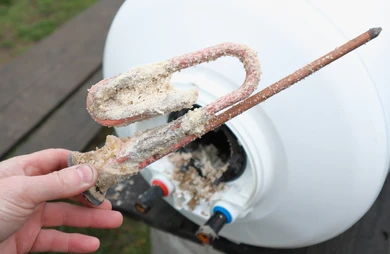
  Your water heater is one of the most essential appliances in your home, providing hot water for showers, cleaning, and cooking. However, like any appliance, it has a limited lifespan. Knowing when it’s time to replace your old water heater can save you from unexpected breakdowns and costly repairs. Here are some key signs that it may be time for a replacement, especially if you’re located in Plano, TX, and can take advantage of the expert services provided by Chrome Heating Air Conditioning. 1. Age of the Water Heater Most traditional tank water heaters last between 8 to 12 years. If your water heater is nearing or has passed this age range, it might be time to consider a replacement, even if it’s still functioning. Older water heaters tend to become less efficient over time, using more energy to heat the same amount of water. Check your unit’s manufacturing date or contact a professional from Chrome Heating Air Conditioning to evaluate its condition. 2. Inconsistent Hot Water A significant warning sign of a failing water heater is inconsistent or insufficient hot water. If your showers are frequently cut short due to cold water, or if it takes an unusually long time for the water to heat up, the heating element may be deteriorating. In some cases, adjusting the thermostat can resolve this issue, but if problems persist, it may be time for a new water heater. 3. Rusty Water Discolored or rusty water coming from your faucets could indicate corrosion inside the water heater tank. Rust not only affects the quality of your water but also signals that your tank is deteriorating from the inside out. This issue typically can’t be fixed with a simple repair, so replacing the unit is the most reliable solution. 4. Unusual Noises Aging water heaters often develop a buildup of sediment at the bottom of the tank. As the sediment hardens, the water heater can make rumbling or popping noises, particularly when heating water. These sounds indicate that the water heater is struggling to operate efficiently and may be nearing the end of its life. If you hear these noises, consider calling Chrome Heating Air Conditioning in Plano, TX, to assess the situation and determine if a replacement is necessary. 5. Water Leaks Around the Tank Leaks around the base of the water heater are a clear sign that something is wrong. While minor leaks may result from loose connections, leaks coming directly from the tank usually indicate the tank has developed a fracture due to years of heating and cooling. Once a tank starts leaking, there’s no viable repair, and replacement is the only option to avoid water damage. 6. Higher Energy Bills As water heaters age, they become less energy-efficient, leading to higher utility bills. If you notice a sudden or unexplained spike in your energy costs, your water heater could be the culprit. Newer water heater models are much more energy-efficient, so replacing your old unit could lead to substantial savings in the long run. 7. Frequent Repairs If your water heater requires frequent repairs, it may be more cost-effective to replace it rather than continuing to invest in temporary fixes. Frequent breakdowns are a strong indicator that the system is reaching the end of its useful life. The Benefits of Replacing Your Water Heater Upgrading to a new water heater can improve your home’s energy efficiency, provide a consistent supply of hot water, and reduce your utility bills. Plus, newer models come with advanced technology that enhances safety, such as built-in leak detection and auto-shutoff features. Trust Chrome Heating Air Conditioning for Water Heater Replacement in Plano, TX If you’re noticing any of the signs mentioned above, it might be time to replace your water heater. Chrome Heating Air Conditioning offers expert water heater replacement services throughout Plano, TX. Their team of skilled technicians can assess your current system, recommend the best replacement options, and install a new, energy-efficient unit that suits your household needs. Don’t wait for a total breakdown — contact Chrome Heating Air Conditioning today to schedule an inspection and keep your home’s hot water flowing smoothly. FAQ How do I know if my water heater needs to be replaced? Look for signs like inconsistent hot water, strange noises, rusty water, leaks, or if the unit is more than 10-15 years old. What is the typical lifespan of a water heater? Most water heaters last between 8 to 12 years, but this can vary based on maintenance, usage, and water quality. What are the warning signs of a failing water heater? Warning signs include fluctuating water temperatures, rusty or cloudy water, loud banging noises, and noticeable leaks around the unit. Should I replace my water heater if it leaks? Yes, a leaking water heater often signals serious internal damage, and replacement is typically the best solution. Can I repair my old water heater instead of replacing it? Minor issues like a faulty thermostat can sometimes be repaired, but for older units or more severe problems, replacement is more cost-effective. Is it more efficient to replace an old water heater with a new model? Yes, newer models are generally more energy-efficient, which can lower your utility bills and provide more reliable hot water. How do I choose the right replacement water heater? Consider factors such as energy efficiency, the size of your household, water usage, and whether you prefer a traditional tank or tankless water heater. What is the difference between repairing and replacing a water heater? Repairing can address specific issues like parts failure, but replacement is often necessary for aging units that frequently break down or become inefficient.

Scroll to Top
Chrome Logo Web Transparent

Scheduled an Appointment