How to Improve Indoor Air Quality in Your Texas Home
Texas homeowners deal with dust, pollen, heat, humidity, and long HVAC run times throughout much of the year. These factors can affect the air inside your home and make it harder to maintain a comfortable environment. Understanding indoor air quality Texas concerns and taking a few practical steps can help create cleaner, healthier indoor air.
In this guide, Chrome Air Conditioning explains how to improve indoor air quality and what Texas homeowners can do to reduce dust, control humidity, improve filtration, and support better HVAC performance.
Why Indoor Air Quality Matters in Texas
Your home’s indoor air can contain dust, pollen, pet dander, odors, mold particles, and other airborne pollutants. Because Texas homes often rely heavily on air conditioning, your HVAC system plays an important role in circulating and filtering indoor air.
Poor indoor air quality in Texas homes can also be particularly noticeable during allergy seasons when outdoor pollen levels increase. Keeping your home clean, controlling humidity, and maintaining your HVAC equipment are important parts of maintaining comfortable indoor air.
1. Replace Your HVAC Filter Regularly
One of the simplest ways to improve your home’s air is to replace its HVAC filter according to the manufacturer’s recommendations.
A dirty filter can restrict airflow and allow more dust and particles to circulate. When choosing a replacement, homeowners often search for the best HVAC filter for indoor air quality.
A higher-efficiency filter, such as a MERV 13 filter for home applications, may provide improved particle filtration. However, your HVAC system must be compatible with the filter. A filter that is too restrictive for your system can reduce airflow and affect performance.
2. Control Indoor Humidity
Texas weather can bring significant humidity, especially during warmer months. Excess indoor moisture can create conditions that encourage mold and contribute to uncomfortable indoor air.
Learning how to reduce indoor humidity in Texas can make your home more comfortable. Proper air conditioning operation, ventilation, and dedicated humidity-control equipment can all help.
For homes with persistent moisture problems, whole house dehumidifier Texas solutions may be worth discussing with an HVAC professional.
Maintaining appropriate humidity is also an important part of Texas home humidity control.
3. Use an Air Purifier
Standard HVAC filters capture many airborne particles, but some homeowners want additional filtration.
A quality air purifier can provide another layer of air cleaning. If you’re researching the best air purifier for home Texas homeowners, consider your home’s size, existing HVAC system, filter requirements, and the specific pollutants you want to address.
A whole house air purifier Texas homeowners install with their HVAC system can treat air throughout the home rather than relying on a small portable unit in one room.
4. Keep Your Home’s Ductwork Clean
Your ductwork transports conditioned air throughout your house. Dust and debris can accumulate in ducts over time, particularly if there are leaks, construction debris, or other sources of contamination.
Professional air duct cleaning indoor air quality services may be appropriate when ducts are visibly contaminated or when specific circumstances warrant cleaning.
However, duct cleaning isn’t automatically necessary for every home. An HVAC professional can inspect the system and determine whether cleaning or repairs are appropriate.
5. Reduce Dust Inside Your Home
If you’re wondering how to reduce dust in your home, start with regular cleaning. Vacuum carpets and upholstery, dust surfaces, and wash bedding regularly.
Using a vacuum with effective filtration can help capture fine particles instead of simply moving them around.
Your HVAC filter also plays an important role. Regular filter replacement combined with good housekeeping can help reduce the amount of airborne dust.
6. Address Mold and Moisture Problems
Moisture problems can contribute to mold growth, which can negatively affect the indoor environment.
The connection between mold and indoor air quality makes moisture control particularly important in humid Texas homes. Check areas around bathrooms, kitchens, windows, plumbing fixtures, and HVAC equipment for signs of excessive moisture.
If you discover significant mold growth or an ongoing water problem, address the underlying moisture source rather than simply cleaning the visible area.
7. Consider UV HVAC Technology
Some homeowners are also interested in UV air purifier HVAC systems. UV technology can be incorporated into certain HVAC systems and is designed to help manage microorganisms on surfaces or in the air stream, depending on the system and installation.
UV equipment isn’t a replacement for proper filtration, ventilation, humidity control, or routine HVAC maintenance. It should be considered as part of a broader indoor-air-quality strategy.
8. Improve HVAC Maintenance
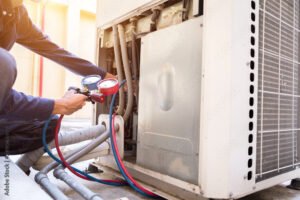
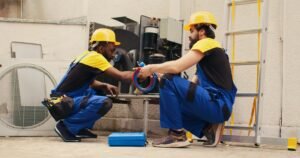
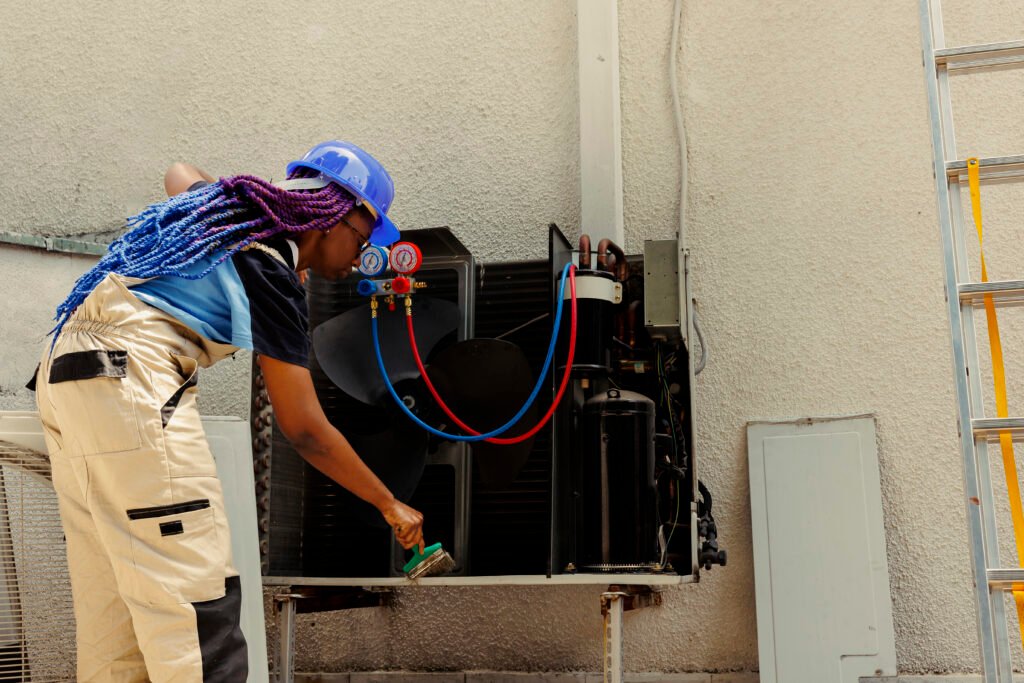
Your heating and cooling system has a major impact on HVAC air quality. Regular professional maintenance can help identify dirty components, restricted airflow, drainage issues, and other problems that may affect system operation.
During maintenance, a technician can inspect filters, coils, blower components, ductwork, and other parts of the system.
For homeowners searching for indoor air quality HVAC services, working with an experienced HVAC company can help identify the right combination of filtration, humidity control, ventilation, and maintenance for your home.
9. Improve Ventilation
Filtration isn’t the only way to improve indoor air. Proper ventilation can help replace stale indoor air with outdoor air when conditions allow.
Use bathroom exhaust fans during and after showers, operate kitchen ventilation when cooking, and make sure exhaust systems are functioning correctly.
However, Texas outdoor air can contain high levels of heat, humidity, pollen, or other pollutants. Your ventilation strategy should therefore work alongside your HVAC and filtration system.
10. Schedule an Indoor Air Quality Inspection
Every home has different air-quality challenges. One house may need better filtration, while another may have excessive humidity, duct leakage, or inadequate ventilation.
An HVAC professional can evaluate your system and recommend solutions based on your home’s size, HVAC equipment, comfort concerns, and indoor environment.
When to Call a Professional
Consider contacting an HVAC professional if you notice:
- Persistent dust despite regular cleaning
- Excessive indoor humidity
- Musty odors
- Visible moisture around HVAC equipment
- Uneven airflow
- Frequent filter clogging
- Allergy symptoms that seem worse indoors
- Poor HVAC performance
- Suspected ductwork problems
Chrome Air Conditioning can help Texas homeowners evaluate their HVAC systems and explore practical indoor-air-quality solutions.
Frequently Asked Questions
What is the best way to improve indoor air quality at home?
Start with regular HVAC filter replacement, good housekeeping, humidity control, adequate ventilation, and routine HVAC maintenance. Additional filtration or air purification may be appropriate depending on your home’s needs.
Does an HVAC system improve indoor air quality?
Yes. HVAC systems circulate and filter indoor air, but their effectiveness depends on proper maintenance, appropriate filtration, airflow, and system condition.
How can I reduce humidity in my Texas home?
Proper AC operation can remove some moisture from indoor air. If humidity remains high, an HVAC professional can evaluate your system and determine whether additional humidity-control equipment is appropriate.
Is a MERV 13 filter good for a home?
A MERV 13 filter for home use can provide high-efficiency particle filtration, but compatibility with your specific HVAC system is important. Check the manufacturer’s recommendations before upgrading your filter.
Can air duct cleaning improve indoor air quality?
It can help when ductwork contains significant dust or debris or has other conditions that warrant cleaning. An inspection can determine whether duct cleaning is appropriate for your system.
Breathe Cleaner, More Comfortable Air With Chrome Air Conditioning
Improving indoor air quality doesn’t have to mean installing every available HVAC product. Start with the basics: replace filters, control humidity, reduce household dust, maintain your HVAC system, and address moisture problems.
If you’re experiencing persistent indoor-air-quality concerns, Chrome Air Conditioning can help evaluate your HVAC system and discuss practical solutions for your Texas home.
If your indoor air doesn’t feel as clean or comfortable as it should, Chrome is here. Call 469-252-0599.
Author: Chrome Heating & Air Conditioning | Plano, TX