AC Repair McKinney TX

https://chromeairconditioning.com/ac-maintenance/
AC Repair McKinney TX

How to Lower Your AC Electric Bill in Dallas TX: 12 Practical Tips

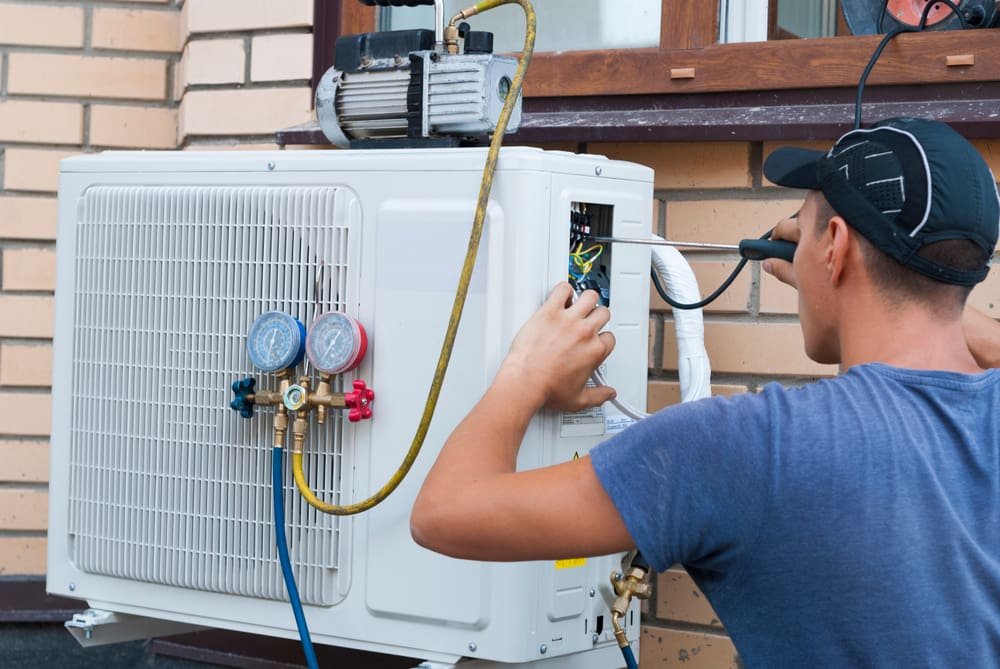
How to Lower Your AC Electric Bill in Dallas TX: 12 Practical Tips Dallas summers can put serious pressure on your air conditioner—and your electricity bill. When temperatures climb, your AC may run for hours just to keep your home comfortable. The good news is that you don’t always need a new system to reduce cooling costs. If you’re wondering how to lower AC bill in Dallas TX, there are several practical steps you can take. From adjusting your thermostat to replacing your air filter and scheduling professional maintenance, these simple changes can help your AC operate more efficiently. Chrome Air Conditioning helps Dallas-area homeowners keep their cooling systems efficient, reliable, and comfortable throughout the Texas heat. 1. Set Your Thermostat Wisely One of the easiest ways to save electricity with AC is to adjust your thermostat when you’re away or sleeping. During summer, try setting your thermostat a few degrees higher when the house is empty. A programmable or smart thermostat can automatically adjust the temperature according to your schedule. Knowing the best thermostat setting to save energy can make a noticeable difference over the course of a hot Dallas summer. 2. Change Your AC Filter Regularly A dirty filter makes your air conditioner work harder because air cannot move through the system efficiently. This can increase operating time and contribute to higher energy consumption. If you’re asking how often should AC filters be changed, the answer depends on your home, filter type, pets, and indoor air quality. Many standard filters need replacement approximately every one to three months. Regular filter replacement is one of the simplest Dallas TX AC energy saving tips homeowners can follow. 3. Schedule Regular AC Maintenance Professional maintenance can help identify problems before they cause poor performance or unnecessary energy use. An AC tune-up typically involves inspecting important components, checking system operation, and identifying issues that could affect efficiency. Regular AC maintenance to reduce energy bills can also help your system operate more consistently during periods of extreme Dallas heat. If your system needs professional attention, scheduling an AC tune up Dallas TX service with Chrome Air Conditioning can help keep your equipment ready for summer. 4. Keep Your Outdoor Unit Clear Your outdoor condenser needs adequate airflow to release heat. Leaves, grass, dirt, and other debris can restrict airflow around the unit. Keep the area around your outdoor AC unit reasonably clear and avoid placing objects directly against it. Better airflow can help your system work without unnecessary strain and may contribute to how to reduce AC energy consumption in your home. 5. Seal Air Leaks Around Your Home Cool air can escape through gaps around doors, windows, duct connections, and other areas of your home. If conditioned air is constantly escaping, your AC may need to run longer to maintain the thermostat setting. Sealing obvious air leaks and improving insulation can help reduce AC cooling costs, particularly during the hottest parts of the Dallas summer. 6. Check Your Ductwork Leaky or poorly insulated ductwork can waste conditioned air before it reaches your rooms. If certain rooms are consistently warmer than others or your AC seems to run continuously, ductwork could be part of the problem. A professional inspection can help determine whether duct leaks or airflow problems are contributing to a high AC electric bill. 7. Use Ceiling Fans Strategically Ceiling fans don’t actually lower the temperature of a room, but they can make people feel cooler by improving air circulation. Using fans while you’re in the room may allow you to set the thermostat slightly higher without sacrificing comfort. This can be another simple way to save money on AC during hot weather. 8. Reduce Heat Inside Your Home Your AC doesn’t have to fight against unnecessary indoor heat. During the hottest part of the day, consider closing blinds or curtains, limiting the use of ovens, and turning off unnecessary lights and electronics. Reducing indoor heat can make it easier for your AC to maintain your preferred temperature. These small changes can help lower electricity bill in summer without requiring major equipment upgrades. 9. Avoid Constantly Changing the Thermostat Frequently lowering the thermostat does not necessarily cool your home faster. Instead, it can cause your AC to operate for longer periods. Choose a comfortable temperature and allow the system to maintain it. If you’re away for several hours, use a programmable schedule rather than manually changing the thermostat throughout the day. This is particularly useful for homeowners looking for ways to lower AC electric bill during long Dallas summers. 10. Consider Your AC System’s Efficiency Older air conditioners may consume more electricity than newer, properly sized and efficiently operating systems. If your AC is aging, frequently needs repairs, struggles to cool your home, or produces unusually high energy bills, it may be worth discussing your options with an HVAC professional. A professional can help determine whether repair, maintenance, or replacement makes sense for your situation. When considering an energy efficient AC Dallas TX homeowners should look at the system’s efficiency, size, condition, and expected operating costs—not just the purchase price. 11. Don’t Ignore AC Problems A struggling air conditioner can consume more electricity while providing less cooling. Common warning signs include: AC running almost constantly Uneven cooling Weak airflow Strange noises Frequent cycling Warm air coming from vents Unexpected increases in electricity costs Understanding why is my AC using so much electricity can start with checking these warning signs. If your system isn’t cooling properly, professional AC repair Dallas TX service can help identify the underlying problem. 12. Know When to Call an HVAC Professional DIY maintenance has its limits. If you’ve changed the filter, adjusted the thermostat, and kept the outdoor unit clear but your electricity bill remains unusually high, there may be an underlying HVAC issue. A professional can inspect the system and look for problems affecting performance, airflow, refrigerant levels, electrical components, ductwork, or overall efficiency. If you’re trying to make AC more energy efficient, a professional

Poor AC Airflow
AC Repair McKinney TX

How to Improve AC Airflow in an Older Texas Home

How to Improve AC Airflow in an Older Texas Home Older Texas homes can have plenty of character, but they can also come with HVAC problems that newer homes are less likely to experience. One of the most common issues is poor or uneven AC airflow. You may notice that some rooms stay comfortable while others remain hot, vents have weak airflow, or your air conditioner seems to run constantly during a Texas summer. Fortunately, there are several ways to improve airflow without immediately replacing your entire HVAC system. From checking air filters and ductwork to improving insulation and evaluating your equipment, these steps can make your home more comfortable and help your AC work more efficiently. Why Do Older Texas Homes Have Poor AC Airflow? Homes built decades ago were often designed with different insulation standards, ductwork layouts, and HVAC requirements than today’s homes. Over time, ducts can develop leaks, insulation can deteriorate, vents can become blocked, and older air-conditioning equipment can lose efficiency. Texas weather adds another challenge. Long periods of extreme heat put significant demand on cooling systems. If your HVAC system cannot distribute enough conditioned air throughout the house, certain rooms may remain uncomfortable even when the thermostat reaches the desired temperature. 1. Replace Your AC Air Filter Regularly One of the easiest ways to improve airflow is replacing a dirty air filter. A clogged filter restricts the amount of air your HVAC system can pull through the return vent. This forces the blower to work harder and can reduce airflow to your rooms. Check your filter regularly, especially during periods of heavy AC use. Depending on the type of filter, household conditions, pets, and indoor air quality needs, replacement intervals can vary. If replacing the filter does not improve airflow, there may be a deeper problem with your ductwork, blower, or HVAC system. 2. Inspect Your Ductwork for Leaks Ductwork is especially important in older Texas homes. Ducts can develop cracks, loose connections, disconnected sections, or inadequate insulation over the years. Air escaping through damaged ducts never reaches the rooms where you need it. This can result in weak airflow and inconsistent temperatures. A professional HVAC technician can inspect your duct system and identify areas where air is being lost. Sealing leaks and improving duct insulation may significantly improve air distribution. 3. Make Sure Your Vents Are Open and Unblocked Check every supply vent and return vent throughout your home. Furniture, curtains, rugs, and other objects can accidentally block vents. Closed or restricted vents can affect airflow and make certain rooms warmer than others. Keep supply registers open and make sure return-air grilles have adequate clearance. If one room consistently has much weaker airflow than the rest of your home, however, simply opening the vent may not solve the problem. The duct serving that room could be undersized, damaged, or poorly designed. 4. Check Your Return Airflow Your AC system needs both supply and return airflow to operate properly. If the return side of the system cannot pull enough air from the house, the entire HVAC system can struggle to maintain proper airflow. Older homes sometimes have limited return-air pathways compared with modern HVAC designs. A professional evaluation can determine whether your home needs additional return-air capacity or improvements to the existing return system. 5. Improve Attic Insulation Texas summers can make your attic extremely hot. If an older home has insufficient attic insulation, heat can transfer into the living areas and increase the cooling load. Even if your AC is producing cold air, inadequate insulation can make your home feel warmer than expected. Improving attic insulation can help your home retain conditioned air and reduce the amount of work required from your HVAC system. 6. Seal Air Leaks Around Windows and Doors Airflow problems are not always caused by the AC itself. Older windows and doors may have gaps that allow conditioned air to escape and hot outdoor air to enter. Weatherstripping, caulking, and other air-sealing improvements can help your home maintain a more consistent indoor temperature. This can be particularly useful in older Texas houses where the building envelope may not be as energy-efficient as a newer home. 7. Consider a Professional AC Inspection If airflow remains weak after checking filters, vents, and obvious duct problems, it’s time to have the HVAC system professionally inspected. A technician can check the blower motor, evaporator coil, condenser, refrigerant system, ductwork, electrical components, and overall system performance. A dirty evaporator coil, failing blower motor, frozen coil, or other mechanical issue can restrict airflow and reduce cooling performance. Should You Repair or Replace an Older AC System? If your AC is several years old and requires frequent repairs, you may eventually need to compare repair costs with replacement. For Texas homeowners, understanding heat pump vs central AC can also be useful when considering a new HVAC system. A heat pump vs AC in Texas comparison should consider cooling performance, heating needs, energy efficiency, installation costs, and the home’s existing ductwork. Homeowners may also research heat pump vs central air Texas, heat pump or AC for Texas, and is a heat pump worth it in Texas before making a replacement decision. A professional can help determine whether your existing central AC can be improved or whether replacement makes more sense. Heat Pump or Central AC: What Should Texas Homeowners Consider? When replacing an older HVAC system, homeowners often compare a traditional central AC with a heat pump. Researching are heat pumps good in Texas and heat pump for Texas climate can help you understand how heat-pump technology works in the state’s climate. Cost is another important consideration. Homeowners may compare heat pump installation cost Texas, heat pump cost Texas, and central AC replacement cost Texas before choosing new equipment. Energy use should also be part of the conversation. Comparing heat pump vs AC cost, heat pump vs central AC cost, and heat pump energy efficiency Texas can help you understand potential operating differences. You can also investigate

Do Air Purifiers
AC Repair McKinney TX, AC Repair Plano TX

Why Your Upstairs Is Hotter Than Downstairs in a Texas Home

Why Your Upstairs Is Hotter Than Downstairs in a Texas Home If your upstairs feels much hotter than your downstairs, you are not imagining it. Uneven temperatures are common in Texas homes, especially during the long, intense summer season. Your thermostat may show a comfortable temperature downstairs while bedrooms and living spaces upstairs remain noticeably warm. Several factors can cause this problem, including heat rising, attic temperatures, poor insulation, ductwork issues, air leaks, and an HVAC system that is not properly sized for the home. For homeowners considering HVAC improvements, understanding these issues can also help when comparing options such as heat pump vs AC in Texas, evaluating heat pump energy efficiency Texas, or deciding whether your existing central air system needs replacement. Why Is Upstairs Hotter Than Downstairs? 1. Heat Naturally Rises One of the simplest reasons your upstairs is hotter is that warm air rises. As your home absorbs heat throughout the day, some of that heat naturally moves toward the upper floors. In Texas, this effect can become especially noticeable when outdoor temperatures remain extremely high for hours. The second floor may therefore require more cooling than the first floor. If your HVAC system distributes the same amount of conditioned air throughout the house without accounting for these differences, the upstairs can remain several degrees warmer. 2. Your Attic May Be Adding Extra Heat An attic can become extremely hot during a Texas summer. If your attic insulation is inadequate or deteriorated, heat can transfer from the attic into the rooms directly below it. This makes your air conditioner work harder to maintain the temperature upstairs. Proper insulation and attic ventilation can reduce heat transfer and improve overall HVAC performance. Before investing in a completely new system, homeowners should determine whether the problem is actually related to the home’s thermal envelope. 3. Your Ductwork May Not Be Distributing Air Properly Ductwork plays a major role in maintaining consistent temperatures throughout a home. Leaky, disconnected, undersized, or poorly designed ducts can prevent enough cool air from reaching upstairs rooms. You may notice: Weak airflow from upstairs vents Bedrooms that stay hot Large temperature differences between floors Longer AC run times Higher electricity bills A professional HVAC inspection can identify duct leaks, restrictions, insulation problems, and airflow imbalances. 4. Your HVAC System May Not Be Properly Sized A system that is too small may struggle to cool your entire home during extreme Texas heat. However, installing an oversized system isn’t necessarily the answer either. Proper HVAC sizing considers factors such as home size, insulation, windows, orientation, ductwork, and local climate. If your system is aging or repeatedly struggling to cool upstairs rooms, you may want to compare the central AC replacement cost Texas homeowners can expect with the cost of repairing the existing system. Could a Heat Pump Help With Uneven Temperatures? Some Texas homeowners are considering heat pumps as an alternative to traditional air conditioning systems. If you’re researching heat pump or AC for Texas, it’s important to understand that heat pumps can provide both heating and cooling from one system. However, whether a heat pump is appropriate for your home depends on factors such as your existing HVAC setup, insulation, ductwork, home size, and heating requirements. When comparing heat pump vs central AC, remember that changing equipment alone may not solve an upstairs temperature problem if the underlying issue is poor insulation or inadequate duct distribution. Heat Pump Benefits in Texas There are several potential heat pump benefits in Texas, including both heating and cooling capability and potentially efficient operation. Homeowners researching heat pump energy efficiency Texas should look at the system’s efficiency ratings, expected usage, electricity rates, and installation requirements rather than assuming every heat pump will produce the same savings. The question “are heat pumps good in Texas?” depends heavily on the specific property and system design. Heat Pump vs AC Cost: What Should Homeowners Consider? Cost is naturally an important consideration. Searching for heat pump vs AC cost or heat pump vs central AC cost can provide general estimates, but the actual price of an HVAC project depends on the home and installation requirements. For example, homeowners researching heat pump installation cost Texas may see different prices based on system capacity, efficiency, electrical requirements, duct modifications, and labor. Likewise, heat pump cost Texas homeowners pay can vary significantly between homes. If your existing AC is nearing the end of its service life, compare the cost of repair with replacement before making a decision. Is a Heat Pump Worth It in Texas? The question “is a heat pump worth it in Texas?” doesn’t have one answer for every homeowner. A heat pump may make sense for homeowners who want one system capable of both heating and cooling. Others may prefer a traditional central AC system paired with a separate heating system. Your home’s insulation, ductwork, current equipment, energy usage, comfort requirements, and budget should all be considered. Before replacing your HVAC system, an experienced professional can evaluate the property and explain which options fit your needs. What Is the Best HVAC System for a Texas Home? There isn’t one universal best HVAC system for Texas climate. The right choice depends on the home. For example, a properly installed central AC system can provide effective cooling, while a heat pump can provide both heating and cooling. The important factor is not simply choosing the newest technology. The system must be correctly sized, installed, and matched with the home’s ductwork. A professional evaluation can also reveal whether the real problem is insulation, duct leakage, inadequate return airflow, or another issue. How to Fix an Upstairs That Is Too Hot Before replacing your entire HVAC system, consider these possible solutions: Inspect attic insulation – Improve insulation where necessary. Check ductwork – Look for leaks, damage, restrictions, or disconnected ducts. Improve airflow – Make sure supply and return vents are unobstructed. Seal air leaks – Reduce unwanted heat entering through gaps and cracks. Use zoning – Separate upstairs

Best Thermostat Temperature
AC Repair Frisco TX, AC Repair McKinney TX

AC Won’t Turn On in Dallas? 10 Things to Check Before Calling for Repair

AC Won’t Turn On in Dallas? 10 Things to Check Before Calling for Repair When your AC won’t turn on during a hot Dallas day, it can quickly become uncomfortable. Before you assume you need an expensive repair, there are several simple things you can check yourself. Sometimes the problem is as easy as a thermostat setting, tripped breaker, dirty filter, or power issue. If your air conditioner won’t turn on, work through these 10 checks before calling an HVAC professional. If none of them solves the problem, Chrome Air Conditioning can help diagnose and repair the issue. 1. Check Your Thermostat The thermostat is one of the first places to look when your AC is not turning on. Make sure the thermostat is set to Cool and that the temperature is set lower than the current room temperature. If the thermostat uses batteries, replace them if the display is blank or appears weak. A faulty thermostat can also prevent your system from receiving the signal to start. If your AC thermostat is not working, professional troubleshooting may be necessary. 2. Check the Circuit Breaker If your AC won’t turn on but has power, check your home’s electrical panel. Look for a breaker labeled AC, HVAC, or air conditioner. A breaker can trip because of an electrical overload or another issue. You can check whether it has moved to the middle or OFF position. If appropriate, reset it once by switching it fully OFF and then ON. If the breaker immediately trips again, don’t keep resetting it. Repeatedly tripping breakers can indicate an electrical or HVAC problem that requires professional attention. 3. Look at the Outdoor AC Unit Sometimes the indoor system appears normal while the outdoor condenser isn’t operating. If the outside AC unit is not turning on, check whether you hear any unusual sounds or notice anything unusual around the unit. Don’t remove electrical panels or attempt to repair internal components yourself. A problem with the capacitor, contactor, wiring, or other components could prevent the outdoor unit from starting. 4. Check the AC Disconnect Your outdoor unit normally has a disconnect near it that allows technicians to safely shut off electrical power during maintenance. If the disconnect has been switched off accidentally, your system may not run. Check only what you can safely access without opening electrical components. If you’re unsure whether the disconnect is properly engaged, leave it alone and contact a professional. 5. Check for a Clogged Air Filter A severely dirty filter can restrict airflow and contribute to HVAC problems. If your AC is not working in your house, inspect the filter. If it’s visibly dirty, replace it with the correct size and type recommended for your system. Regular filter replacement can improve airflow and help your air conditioner operate more efficiently. However, a new filter won’t fix every reason an AC stops working. 6. Make Sure the Condensate Drain Isn’t Blocked Your air conditioner removes moisture from the air as it cools your home. That moisture drains through a condensate line. If the drain becomes clogged, some systems have a safety switch that shuts the AC down to prevent water damage. If you notice standing water near the indoor unit, repeated shutdowns, or moisture around the system, professional inspection is recommended. 7. Check Your Indoor Unit If you’re wondering why is my AC not turning on, check whether your indoor air handler or furnace is receiving power. Look for obvious signs such as a completely blank thermostat, no airflow, or a system that makes no sound when cooling is requested. Don’t open electrical panels or attempt to work on wiring. HVAC equipment contains electrical components that can be dangerous. 8. Check for Signs of a Power Problem If your AC is not getting power, the issue may involve the breaker, disconnect, wiring, thermostat, or another electrical component. Check other appliances or lights in your home to determine whether there is a broader electrical outage. If only the AC appears affected, an HVAC technician can safely test the electrical components and determine where power is being interrupted. 9. Consider Whether the AC Stopped Working Suddenly If your AC stopped working suddenly, think about what happened immediately before the shutdown. Did you notice unusual noises? Was the system short cycling? Did you smell something unusual? Was the breaker tripping? Did the system struggle to cool your home beforehand? These details can help a technician identify the cause more quickly. If you’re experiencing AC not working in Dallas TX, don’t ignore repeated warning signs. A system that suddenly stops may have a failed electrical or mechanical component. 10. Check Whether Your AC Is Simply Overheating Dallas summers can put significant demand on an air conditioning system. During periods of extreme heat, an aging or poorly maintained system may struggle to keep up. If the system has been running for unusually long periods, shutting down repeatedly, or producing unusual noises, allow it to rest and check the basic items above. If the problem continues, professional diagnosis is the safest next step. When Should You Call an AC Repair Professional? Basic troubleshooting can sometimes solve simple problems, but certain situations require professional help. Call an HVAC technician if: The breaker keeps tripping. The outdoor unit won’t start. The thermostat doesn’t respond. Your AC repeatedly shuts down. You notice burning smells or unusual electrical sounds. Water is leaking around the indoor unit. The system still won’t start after basic checks. Searching for AC repair Dallas TX or air conditioning repair Dallas can help you find local professionals who can diagnose the problem properly. For urgent cooling problems, homeowners may also search for emergency AC repair Dallas TX, especially when the system stops working during extreme Texas heat. Why Professional AC Diagnosis Matters An air conditioner that won’t start can have many possible causes, ranging from a simple thermostat issue to an electrical or mechanical failure. Trying to replace electrical components without the proper training can create safety risks and

AC Leaking Water
AC Repair Frisco TX, AC Repair McKinney TX, AC Repair Plano TX

AC Leaking Water Inside Your House? Causes and Solutions for Texas Homeowners

AC Leaking Water Inside Your House? Causes and Solutions for Texas Homeowners If you notice your AC leaking water inside the house, don’t ignore it. A leaking air conditioner can cause water damage, increase indoor humidity, encourage mold growth, and potentially lead to expensive HVAC repairs. For Texas homeowners dealing with long, hot summers, your air conditioning system works hard for extended periods, making problems with drainage, coils, and other components more likely. So, why is my AC leaking water inside? Several issues can cause an indoor AC leak, ranging from a clogged condensate drain to a frozen evaporator coil. Understanding the common causes can help you take action before a small leak becomes a major problem. Why Is My Air Conditioner Leaking Water? When an air conditioner cools your home, moisture is removed from the indoor air. This moisture normally collects in a drain pan and flows through a condensate drain line. If something interrupts this process, water can back up and eventually leak into your home. Here are some of the most common AC leaking water inside house causes. 1. Clogged AC Condensate Drain Line One of the most common reasons for an air conditioner leaking water inside house is a clogged condensate drain line. Dust, algae, dirt, and other debris can accumulate inside the line and prevent water from draining properly. When the drain becomes blocked, water can back up into the drain pan and eventually overflow. A clogged AC drain line may also cause water to appear around the indoor unit or in an attic, depending on where your HVAC system is installed. Signs of a clogged drain line include: Water around the indoor AC unit Overflowing drain pan Higher indoor humidity Musty odors AC shutting down unexpectedly Water stains on ceilings or walls If you notice these signs, professional cleaning may be necessary. 2. AC Drain Pan Overflowing Another common reason for water leaking from AC unit is an overflowing or damaged drain pan. The drain pan collects condensation produced during normal cooling. Over time, older metal drain pans can rust and develop holes. Plastic pans can also crack. If the pan is damaged or the drain is blocked, the water may spill onto surrounding surfaces. An AC drain pan overflowing should not be ignored because continued moisture exposure can damage ceilings, insulation, flooring, and drywall. 3. Frozen Evaporator Coil A frozen evaporator coil is another possible explanation for an AC leaking water inside. When the evaporator coil becomes too cold, moisture can freeze onto the coil. Once the system shuts off or the ice begins melting, excess water can overwhelm the drain system. Several issues can contribute to a frozen coil, including: A dirty air filter Restricted airflow Low refrigerant Dirty evaporator coils Blower problems A frozen evaporator coil causing water leak should be inspected by an HVAC professional because the underlying issue needs to be identified and corrected. 4. Dirty or Clogged Air Filter A dirty filter restricts airflow through your HVAC system. Reduced airflow can cause the evaporator coil to become excessively cold and eventually freeze. Once the ice melts, you may experience an AC leaking water after running. Replacing your air filter regularly is one of the simplest ways to maintain proper airflow. However, if the system continues leaking after changing the filter, there may be another problem that requires professional attention. 5. Refrigerant Problems Low refrigerant can affect the pressure and temperature of the cooling system and may contribute to evaporator coil freezing. If your AC leaking water but still cooling, don’t assume everything is fine. The system may continue producing cool air while developing an underlying problem. Low refrigerant can also indicate a leak in the system. Because refrigerant-related repairs require specialized equipment, a qualified HVAC technician should diagnose the problem. 6. AC Leaking Water From the Indoor Unit If you see water coming directly from your indoor air handler, you may have an issue with the condensate drain, drain pan, evaporator coil, or airflow. An AC leaking water from indoor unit can quickly become a serious issue if water reaches electrical components or building materials. Turn off the system if water is actively accumulating and arrange for an HVAC inspection. 7. AC Leaking Water From the Ceiling or Attic Texas homes often have HVAC equipment or ductwork located in attics. If the condensate drain or drain pan develops a problem, water can travel through insulation and eventually appear on the ceiling. An AC leaking water from ceiling should be addressed quickly. Continued moisture can damage drywall and create conditions favorable for mold. If you have an air conditioner leaking water in attic, professional inspection is particularly important because the source of the leak may not be immediately visible. How to Fix AC Leaking Water Inside House If you’re wondering how to fix AC leaking water inside house, start with a few basic checks: Turn off the AC if water is actively leaking. Check whether the air filter is dirty. Look for visible water around the indoor unit. Check for obvious drain pan overflow. Avoid operating the system if the evaporator coil is heavily frozen. Contact a qualified HVAC technician for diagnosis if the problem continues. Avoid attempting complicated refrigerant, electrical, or internal HVAC repairs yourself. Incorrect repairs can damage the equipment and create safety risks. When to Call an HVAC Professional in Texas Texas heat puts significant demand on air conditioning systems. If your unit continues leaking after basic maintenance, professional service is recommended. Contact an HVAC technician if: Water continues leaking after replacing the filter The evaporator coil repeatedly freezes The condensate drain keeps clogging Your ceiling or walls have water damage The system is losing cooling performance You suspect a refrigerant problem The AC shuts down unexpectedly For homeowners searching for AC leaking water Dallas TX or air conditioner leaking water Texas, professional diagnosis can help identify the source before the problem causes more extensive damage. Preventing Future AC Water Leaks Regular HVAC maintenance can

AC Freezing Up in Texas
AC Repair Frisco TX, AC Repair McKinney TX, Air Conditioning

Why Is My AC Freezing Up in Texas? Causes, Fixes & When to Call an HVAC Pro

Why Is My AC Freezing Up in Texas? Causes, Fixes & When to Call an HVAC Pro If you notice ice building up on your air conditioner during a hot Texas summer, you may wonder, why is my AC freezing up when the weather outside is so hot? An AC freezing up is not normal and usually indicates an airflow, refrigerant, or mechanical problem that needs attention. A frozen AC unit can reduce cooling performance, increase energy bills, and potentially damage your system if you continue running it. Understanding the common causes can help you take the right steps before a minor problem becomes an expensive repair. Chrome Air Conditioning helps homeowners diagnose and resolve AC problems throughout Texas, including situations where an AC unit freezing up leaves your home uncomfortable. Why Is My AC Freezing Up? There are several reasons an air conditioner can freeze. The most common causes include restricted airflow, dirty filters, low refrigerant, dirty evaporator coils, blower problems, and other mechanical issues. When insufficient warm indoor air passes over the evaporator coil, the coil can become too cold. Moisture on the coil then freezes, creating the familiar layer of ice. If you’re asking why is my air conditioner freezing up, checking airflow and the condition of your air filter is a good starting point. Common AC Freezing Up Causes 1. Dirty or Clogged Air Filter A dirty filter is one of the simplest AC freezing up causes. When the filter becomes clogged with dust and debris, it restricts airflow through the system. Reduced airflow can cause the evaporator coil to become excessively cold and eventually freeze. Replacing your air filter regularly can help maintain proper airflow. However, if the system continues freezing after you replace the filter, another issue may be responsible. 2. Low Refrigerant Low refrigerant AC freezing up is another common problem. Refrigerant absorbs heat from indoor air, allowing your AC to cool your home properly. If refrigerant levels are low because of a leak or another issue, pressure inside the system can drop and cause the evaporator coil to freeze. Adding refrigerant without identifying the underlying problem is not a permanent solution. An HVAC professional should inspect the system for leaks and determine the correct refrigerant charge. 3. Dirty Evaporator Coil Over time, dust and dirt can accumulate on the evaporator coil. This buildup can interfere with heat transfer and restrict airflow across the coil. An AC evaporator coil freezing up can be a sign that the coil needs professional cleaning or that another airflow problem exists. 4. Blower or Airflow Problems A malfunctioning blower motor, blocked ductwork, closed vents, or other airflow restrictions can prevent enough warm air from reaching the evaporator coil. If you experience AC freezing up in summer, don’t assume the problem is simply caused by the outdoor temperature. Your indoor airflow could be the issue. What to Do If Your AC Is Frozen If you discover ice on AC unit components or see ice forming on the refrigerant line, turn the cooling system off. Continuing to operate a frozen system can make the problem worse. If you’re wondering, AC frozen up what to do, follow these basic steps: Turn the AC cooling setting off. Set the thermostat to fan mode if appropriate to help circulate air and assist with thawing. Check whether the air filter is dirty and replace it if necessary. Allow the ice to completely melt before restarting the system. Look for signs of additional problems, such as weak airflow or unusual noises. Contact an HVAC professional if the system freezes again. Never attempt to break or scrape ice from the coil or refrigerant lines. Doing so can damage sensitive components. How to Fix a Frozen AC Unit Knowing how to fix a frozen AC unit depends on what caused the freezing in the first place. If a dirty filter is restricting airflow, replacing it may solve the issue. However, recurring freezing usually requires professional diagnosis. An HVAC technician may inspect: Air filters and return vents Evaporator and condenser coils Refrigerant pressure Refrigerant lines Blower motor and fan Ductwork and airflow Thermostat operation Electrical and mechanical components If you notice ice on AC refrigerant line, it may indicate low refrigerant, restricted airflow, or another system problem. Professional testing is the safest way to identify the cause. Why Is My AC Freezing Up in Texas? AC freezing up in Texas can seem surprising because Texas summers are extremely hot. However, outdoor temperature does not prevent an indoor evaporator coil from becoming too cold. In fact, your AC often works for long periods during extreme Texas heat. If airflow is restricted or the system has a refrigerant problem, the coil can drop below freezing while the outdoor temperature remains very high. If you’re experiencing AC freezing up in Dallas TX, prompt attention can help prevent reduced cooling, higher energy consumption, and additional system damage. When Should You Call an HVAC Professional? Some AC problems can be addressed with simple maintenance, such as replacing a dirty filter. But recurring freezing should not be ignored. Consider professional service if: The AC freezes repeatedly. Ice returns shortly after thawing. You see refrigerant leaks or damaged lines. The system isn’t cooling properly. Airflow is weak from the vents. You hear unusual sounds. Your energy bills suddenly increase. The AC stops cooling completely. Professional frozen AC coil repair may involve cleaning components, repairing airflow restrictions, fixing refrigerant leaks, replacing damaged parts, or correcting other system problems. For homeowners searching for AC repair for frozen coil, Chrome Air Conditioning can inspect the system and determine what is causing the repeated freezing. Preventing Your AC From Freezing Again Regular maintenance can reduce the risk of freezing and help your air conditioner operate efficiently. Replace air filters as recommended, keep supply and return vents unobstructed, schedule professional maintenance, and pay attention to changes in cooling performance. If your AC has started freezing repeatedly, don’t simply thaw it and continue running it. Recurring problems can indicate

AC Is About to Fail
AC Repair Frisco TX, AC Repair McKinney TX, AC Repair Plano TX

Why Does My AC Keep Turning On and Off? Short Cycling Explained

Why Does My AC Keep Turning On and Off? Short Cycling Explained If your AC keeps turning on and off throughout the day, you may be dealing with a problem called short cycling. While an air conditioner should cycle on and off to maintain your home’s temperature, frequent starts and stops can indicate an underlying issue. So, why does my AC keep turning on and off? Several problems can cause this behavior, including a dirty air filter, thermostat issues, low refrigerant, restricted airflow, electrical problems, or an improperly sized AC system. If you are experiencing this issue in Dallas, understanding the possible causes can help you determine when simple maintenance is enough and when professional AC service is needed. What Is AC Short Cycling? AC short cycling happens when an air conditioner turns on and shuts off before completing a normal cooling cycle. Instead of running long enough to properly cool and dehumidify your home, the system repeatedly starts and stops. An air conditioner short cycling may run for only a few minutes before shutting down, then start again shortly afterward. This can happen several times within an hour. Occasional cycling is normal, but frequent cycling can increase energy consumption, place additional stress on the compressor, and prevent your home from staying consistently comfortable. Why Does My AC Keep Turning On and Off? If you are asking, why does my AC keep turning on and off, the cause could be something simple or a problem that requires professional diagnosis. Here are some of the most common AC short cycling causes. 1. Dirty or Clogged Air Filter A dirty filter can restrict airflow through your HVAC system. When air cannot move properly, the system may struggle to maintain the desired temperature and can begin cycling abnormally. A dirty air filter AC short cycling problem is one of the easier issues to address. Check your filter regularly and replace it according to the manufacturer’s recommendations. 2. Thermostat Problems Your thermostat tells the air conditioner when to turn on and off. If it is incorrectly positioned, malfunctioning, or receiving inaccurate temperature readings, it may cause the system to cycle unnecessarily. An AC short cycling thermostat problem may require thermostat testing or replacement. Make sure your thermostat is away from direct sunlight, heat-producing appliances, and other sources that could affect its temperature reading. 3. Low Refrigerant Refrigerant is essential for removing heat from your home. When refrigerant levels are too low because of a leak or another problem, your AC may struggle to cool properly. Many homeowners ask, can low refrigerant cause short cycling? Yes, refrigerant problems can contribute to abnormal cycling and reduced cooling performance. Because refrigerant issues can involve leaks and specialized equipment, they should be diagnosed by a qualified HVAC professional. 4. Restricted Airflow Blocked vents, dirty coils, clogged filters, or ductwork problems can restrict airflow. Your AC may then struggle to operate efficiently. If your AC turns on and off every few minutes, restricted airflow is one possible cause that should be investigated. Keep supply vents and return-air registers open and unobstructed, and make sure furniture or other objects are not blocking them. 5. Oversized Air Conditioner An AC system that is too large for the home can cool the space very quickly without running long enough to properly remove humidity. This is why an oversized AC short cycling problem can occur. The system reaches the thermostat’s temperature setting quickly, shuts down, and then starts again soon afterward. If the problem has existed since the system was installed, a professional HVAC assessment can help determine whether the equipment is correctly sized for your home. 6. Electrical or Mechanical Problems Faulty capacitors, contactors, sensors, wiring, or other components can affect how an AC starts and operates. If your AC starts and stops repeatedly, especially with unusual sounds, burning smells, or other warning signs, turn the system off and have it inspected by a qualified professional. How Often Should an AC Cycle? There is no single cycle length that applies to every home because outdoor temperature, humidity, thermostat settings, system size, insulation, and other factors affect operation. However, an AC that runs for only a few minutes before repeatedly shutting down deserves attention. For example, if your AC cycles every 10 minutes or less and this happens repeatedly, it may indicate short cycling. Similarly, if your AC turns off before reaching temperature, the system may have an airflow, thermostat, refrigerant, sizing, or mechanical problem. How to Fix AC Short Cycling If you want to know how to fix AC short cycling, start with a few basic checks: Check whether the air filter is dirty. Make sure supply and return vents are open. Check your thermostat settings and batteries if applicable. Make sure the outdoor unit has adequate clearance. Look for obvious signs of ice buildup or unusual operation. If these checks do not solve the problem, professional troubleshooting is recommended. Repeated short cycling should not simply be ignored because frequent starts can put additional strain on important components, including the compressor. When to Call a Professional Some causes of short cycling require professional equipment and HVAC expertise. Contact an HVAC professional if your system continues to cycle frequently after replacing a dirty filter and checking basic airflow issues. Professional service may include checking refrigerant levels, testing electrical components, inspecting coils, evaluating ductwork, testing the thermostat, and determining whether the AC system is properly sized. If you are searching for short cycling AC repair, Chrome Air Conditioning can help diagnose the underlying issue rather than simply treating the symptom. For homeowners searching for AC repair Dallas TX, getting the problem checked early can help prevent a small issue from developing into a more expensive repair. AC Short Cycling in Dallas, TX Dallas summers can place significant demand on residential air conditioning systems. Long periods of hot weather mean your AC may need to work harder to maintain indoor comfort. If you notice that your AC keeps cycling on and off during hot

AC Running
AC Repair McKinney TX, AC Repair Plano TX

How to Improve Indoor Air Quality Dallas: A Complete Guide for Homeowners

 How to Improve Indoor Air Quality Dallas: A Complete Guide for Homeowners Dallas homeowners deal with a unique combination of seasonal pollen, dust, outdoor heat, humidity, and heavy air conditioner use. If your home feels dusty, smells musty, or you notice that allergies seem worse indoors, it may be time to focus on your indoor environment. Learning how to improve indoor air quality Dallas homeowners can benefit from starts with understanding your HVAC system, filtration, humidity, and ventilation. At Chrome Air Conditioning, we help homeowners identify HVAC-related factors that can affect indoor comfort and air quality. From changing your filter to considering a whole-house air purifier, several practical steps can help create a cleaner and more comfortable home environment. Change Your HVAC Air Filter Regularly Your HVAC filter is one of the simplest tools for managing airborne particles in your home. As your air conditioner circulates air, the filter captures particles such as dust, pollen, and pet dander. A dirty filter can restrict airflow and make your HVAC system work harder. Check your filter regularly and replace it according to the manufacturer’s recommendations. The right filter is also important. Higher filtration is not automatically better for every HVAC system because a filter that creates excessive airflow resistance can affect system performance. Your HVAC professional can help determine an appropriate filter for your equipment. Consider a Whole House Air Purifier If you want to improve indoor air quality Dallas homes can benefit from, a whole house air purifier may be worth considering. Unlike a small portable unit that treats air in one room, an HVAC-integrated system can work with your home’s ductwork to treat air as it circulates throughout the house. Depending on the system, air purification technology can target different types of airborne contaminants. Options can include high-efficiency filtration, activated carbon, and properly installed UV-C technology. The right solution depends on your home’s needs and your existing HVAC equipment. Upgrade Your Air Filtration System A quality air filtration system can help capture airborne particles before they continue circulating throughout your home. When choosing an HVAC filter, look at its MERV rating and make sure it is compatible with your system. A higher MERV rating can capture smaller particles, but not every residential HVAC system is designed to handle a highly restrictive filter. If you’re unsure which filter is appropriate, ask an HVAC professional rather than simply choosing the highest-rated filter available. Keep Your Air Filters Clean and Replaced Even the best HEPA filter HVAC setup cannot work effectively if the filter is neglected. Check your filter regularly, especially during periods when your HVAC system is operating heavily. Dallas homes can experience substantial seasonal pollen and dust loads, which may cause filters to become dirty more quickly. A consistent air filter replacement routine can help maintain airflow and filtration performance. If you have pets, recently completed renovations, or notice dust accumulating quickly, ask a professional whether your current filtration setup is appropriate for your home. Improve Indoor Air Quality With Professional Duct Cleaning Your ductwork is an important part of your home’s air circulation system. If ducts contain significant dust or debris, or if there are problems with the duct system, professional evaluation may be appropriate. Air duct cleaning is not necessarily required on a fixed annual schedule for every home. However, visible buildup, persistent musty odors, certain contamination concerns, renovations, or other specific conditions may justify an inspection. A professional can determine whether cleaning is actually necessary or whether another issue, such as duct leakage or filtration, should be addressed instead. Control Humidity With a Whole House Dehumidifier Dallas weather can bring significant humidity, particularly during warmer periods. Excess indoor moisture can contribute to an uncomfortable environment and create conditions that encourage microbial growth. A whole house dehumidifier can help manage indoor moisture when your existing AC system is not adequately controlling humidity. A dehumidifier should be selected based on your home’s size, moisture load, and HVAC setup. An HVAC professional can assess whether dedicated humidity control makes sense for your home. Consider UV Light HVAC Technology Another option homeowners may encounter when researching indoor air quality is UV light HVAC technology. Properly installed UV-C systems are designed to work within HVAC equipment or ductwork and can help reduce microbial growth on treated surfaces. They are not a replacement for filtration, cleaning, or proper humidity control. Think of UV technology as one possible component of a broader indoor air quality strategy rather than a single solution for every air-quality concern. Improve Ventilation and Reduce Indoor Pollutants Indoor air quality is not only about your HVAC filter. Everyday activities can introduce pollutants into your home. Cooking, cleaning products, remodeling materials, candles, pets, and other household activities can contribute to indoor pollutants and odors. Use kitchen and bathroom exhaust fans when appropriate, particularly during cooking and activities that produce moisture. Proper ventilation can help remove stale air and reduce the concentration of certain indoor pollutants. If your home remains stuffy despite normal HVAC operation, a professional can evaluate whether additional ventilation would be appropriate. Schedule Indoor Air Quality Testing If you are unsure what is causing poor air quality, indoor air quality testing can provide useful information. Professional testing may evaluate specific conditions or pollutants depending on the concerns identified in your home. For Dallas homeowners searching for indoor air quality testing Dallas TX, it is important to choose an assessment appropriate to the problem rather than assuming one test measures everything. An HVAC professional can also evaluate your filtration, ductwork, airflow, humidity, and equipment condition as part of a broader assessment. When to Consider Indoor Air Quality Services You may want professional indoor air quality services if you notice: Excessive household dust Persistent musty odors Poor or inconsistent airflow High indoor humidity Visible debris around vents Filters becoming dirty unusually quickly Recurring comfort problems Concerns about allergens or airborne pollutants The best solution depends on the cause. Sometimes changing a filter is enough. In other cases, your home may benefit from

Dusty House Air Ducts
AC Repair Frisco TX, AC Repair McKinney TX

Why Is My House So Dusty? (It Might Be Your Air Ducts) | Dallas TX

Why Is My House So Dusty? (It Might Be Your Air Ducts) | Dallas TX If you are constantly cleaning your home only to see dust return a few days later, your dusty house air ducts Dallas homeowners experience could be part of the problem. While dust can come from pets, carpets, clothing fibers, outdoor particles, and everyday household activity, your HVAC system also affects how particles move throughout your home. Dirty filters, poor airflow, or leaking ductwork can contribute to excessive dust circulation. At Chrome Air Conditioning, we help Dallas-area homeowners identify HVAC-related problems that may be affecting indoor comfort and air quality. Before assuming your cleaning routine is the problem, it is worth looking at your air conditioning system. Why Is My House So Dusty? A certain amount of household dust is normal. Dust can contain particles from skin cells, pet dander, hair, pollen, soil, fabrics, and other everyday materials. However, if you notice that your home becomes dusty unusually quickly, there may be an underlying reason. Common causes include: Dirty or poorly fitted HVAC filters Leaking or poorly sealed ductwork Poor ventilation Pet hair and dander Carpet and upholstery fibers Outdoor dust entering through doors and windows Excessive indoor activity Recent remodeling or construction HVAC airflow problems This means that why is my house so dusty does not always have one simple answer. Your HVAC system may be contributing, but it is important to identify the actual source before paying for unnecessary services. Can Dirty Air Ducts Cause Dust? Your air ducts transport conditioned air throughout your home. Over time, ductwork can accumulate dust and debris, particularly if the system has experienced poor filtration, construction work, moisture problems, or other contamination. However, visible dust in your home does not automatically prove that your ducts are dirty. The U.S. EPA notes that dirt inside ducts does not necessarily enter living spaces and does not recommend routine duct cleaning for every home. That is why a professional evaluation can be more useful than automatically scheduling cleaning. If your home has unusually heavy dust, it is worth checking the entire HVAC system—including filters, return-air pathways, accessible ductwork, and airflow—to determine what may be contributing to the problem. Check Your HVAC Filter First Your HVAC filter is one of the easiest things to inspect when your house is becoming dusty. The filter is designed to capture airborne particles before air circulates through the system. When a filter becomes clogged, damaged, incorrectly installed, or does not fit properly, filtration may become less effective. Check your filter regularly and follow your manufacturer’s recommendations for replacement. Do not automatically assume that the highest-rated filter is best. A filter that is too restrictive for your particular HVAC system can affect airflow. The right filter should provide appropriate filtration without creating unnecessary resistance. Look for Dust Around Your Air Vents Are you noticing dust collecting around supply vents or return grilles? That can be an important clue, although it does not necessarily mean the ducts themselves need cleaning. Air movement can cause particles to settle around registers, while dust may also come from nearby carpets, furniture, or other surfaces. If you notice dust coming from air vents, inspect the filter and surrounding area first. If dust returns unusually quickly or appears to be actively blowing from the vents, consider having an HVAC professional inspect the system. Leaky Ductwork Can Affect Your Home Duct leakage is another potential reason your home may become unusually dusty. Ducts located in attics, crawlspaces, garages, or other areas can develop gaps or damaged connections. Depending on where the leak occurs, unwanted air and particles can potentially enter the system or conditioned air can escape. Leaky ductwork can also contribute to inefficient HVAC operation. If certain rooms are consistently uncomfortable while others cool normally, ductwork may deserve closer attention. Professional duct leak repair and duct sealing may be appropriate when leakage is confirmed. Pets, Carpets, and Everyday Activity Also Create Dust Before blaming your HVAC system, remember that your home itself creates dust. Pets contribute hair and dander. Carpets and upholstered furniture can collect and release fibers. Bedding, clothing, paper products, and normal movement throughout the house also contribute to airborne particles. Regular vacuuming, using appropriate filtration, cleaning bedding, grooming pets, and reducing outdoor debris entering through doors can all help reduce dust. This is why how to get rid of dust in house is usually not solved by one single product or service. Can HVAC Maintenance Help With Dust? Regular HVAC maintenance can help keep your cooling system operating properly and provides an opportunity to identify issues affecting filtration and airflow. During professional service, a technician can inspect relevant components, evaluate airflow, examine filters, and identify potential problems. If your system is old or has not been professionally inspected recently, maintenance may be a sensible first step before assuming you need extensive duct cleaning. For homeowners searching for HVAC duct cleaning or air duct cleaning near me, it is worth determining whether cleaning, duct repair, filtration improvements, or another solution is actually appropriate. When Should You Consider Air Duct Cleaning? There is no universal rule that every home needs air duct cleaning on a fixed schedule. The EPA recommends considering the specific condition of the duct system rather than assuming routine cleaning is necessary. Professional evaluation may be worthwhile if you notice: Significant visible debris inside accessible ductwork Unusual odors coming from the HVAC system Evidence of moisture or water damage Pest activity inside the duct system Excessive dust that persists despite normal cleaning Recent construction or remodeling Damaged or disconnected ductwork If cleaning is recommended, ask the professional to explain exactly what they found and why the service is necessary. How to Improve Indoor Air Quality Reducing household dust is only one part of maintaining good indoor air quality. You can start with simple steps: Replace HVAC filters as recommended Keep supply and return vents unobstructed Vacuum regularly Use doormats at entrances Keep pets groomed Clean bedding and upholstery

AC Blowing Warm Air
AC Repair McKinney TX

Why Does My AC Keep Tripping the Circuit Breaker? AC Tripping Breaker Dallas

Why Does My AC Keep Tripping the Circuit Breaker? AC Tripping Breaker Dallas If you are dealing with an AC tripping breaker Dallas problem, your air conditioner may be drawing more electrical current than the circuit can safely handle. While resetting the breaker may temporarily restore cooling, repeatedly resetting it is not a real solution. A tripping breaker is often a warning that something inside the AC system needs attention. In Dallas, where air conditioners work hard during hot summer months, electrical and mechanical problems can become more noticeable. Chrome Air Conditioning can help identify the cause and determine whether your system needs AC repair, maintenance, or replacement. Why Is My AC Tripping the Circuit Breaker? Your circuit breaker is designed to protect your home’s electrical system. When your AC draws excessive current, the breaker trips and shuts off power to prevent overheating or electrical damage. There are several possible reasons your AC keeps tripping the breaker. Some are relatively simple, while others require professional HVAC or electrical attention. Common causes include: A dirty or clogged air filter A dirty condenser coil A failing capacitor A malfunctioning compressor Electrical wiring problems A frozen evaporator coil A motor that is struggling to operate Refrigerant-related problems An overloaded electrical circuit An aging air conditioning system Understanding the cause is important because repeatedly resetting the breaker can leave an underlying problem unresolved. A Dirty Air Filter Can Make Your AC Work Too Hard One of the simplest things to check is your air filter. A heavily clogged filter restricts airflow and can make your air conditioner work harder to maintain your desired indoor temperature. Restricted airflow can contribute to overheating and poor performance. It can also cause the system to run longer than normal, placing additional strain on certain components. Replacing a dirty filter is an important part of regular AC maintenance. If your filter is clean but the breaker continues to trip, there may be a more serious issue that requires professional diagnosis. A Failing Capacitor May Cause Electrical Problems Your AC uses capacitors to help start and operate components such as the compressor and fan motors. When a capacitor becomes weak or fails, the motor may struggle to start properly. A struggling motor can draw excessive electrical current, potentially causing the circuit breaker to trip. Because capacitors are electrical components, homeowners should not attempt to test or replace them without appropriate training. A qualified HVAC technician can inspect the component and determine whether it needs replacement. A Dirty Condenser Coil Can Increase System Strain The outdoor condenser unit releases heat from your home. When the condenser coil becomes covered with dirt and debris, heat cannot escape as efficiently. The system may then have to work harder and run longer to cool your home. In extreme cases, increased electrical demand can contribute to breaker trips. Regular air conditioning maintenance can help keep the outdoor unit clean and operating properly. This is particularly important in Dallas, where your AC may operate for extended periods during hot weather. Compressor Problems Can Cause the Breaker to Trip The compressor is one of the most important and expensive components in a central air conditioning system. If the compressor begins failing, it may draw more electricity than normal. A compressor that repeatedly trips the breaker should be evaluated by a professional. Continuing to operate the system without diagnosing the problem could potentially result in additional damage. If your AC is older and experiencing repeated compressor or electrical problems, your technician may also discuss whether AC repair vs replacement makes more financial sense. Electrical Wiring or Connection Problems Sometimes the issue is not the air conditioner itself. Damaged wiring, loose connections, faulty electrical components, or an improperly sized circuit can cause a breaker to trip. Electrical problems can create serious safety risks. If you notice burning smells, melted wiring, sparks, smoke, or unusual electrical noises, turn off the system and seek professional assistance. An HVAC technician can identify whether the problem appears to be related to the AC equipment and recommend the appropriate next step. A Frozen Evaporator Coil Can Affect AC Performance A frozen evaporator coil can be another sign that your air conditioning system is not operating correctly. You may notice ice around the indoor unit or refrigerant lines, weak airflow, or an AC that struggles to cool your home. Several issues can contribute to a frozen coil, including restricted airflow and refrigerant-related problems. If your AC is frozen, do not simply keep restarting it. A professional should determine why the coil froze and correct the underlying problem. Refrigerant Problems Can Make Your AC Work Harder Refrigerant plays an important role in the cooling process. If your system has a refrigerant leak or another refrigerant-related issue, the AC may struggle to maintain comfortable temperatures. The system may run longer than normal, which can increase strain on its components. If your AC is not blowing cold air and the circuit breaker is also tripping, professional diagnosis is recommended. Refrigerant-related work should be performed by a qualified HVAC technician. Could an Old AC System Be the Problem? Age can also play a role. Older systems may have worn motors, compressors, capacitors, electrical connections, and other components. If your air conditioner frequently requires repairs, has become unreliable, or is approaching the end of its expected service life, replacement may eventually be more practical than continued repairs. When considering AC replacement cost Dallas TX, factors such as system size, efficiency rating, installation requirements, and equipment type can affect the final price. Frequently Asked Questions Why does my AC keep tripping the breaker? An AC may trip the breaker because of excessive electrical current, a failing capacitor, compressor problems, restricted airflow, dirty coils, wiring issues, or other mechanical or electrical faults. Is it safe to keep resetting my AC breaker? No. If the breaker repeatedly trips, do not continuously reset it. The breaker may be responding to an electrical or equipment problem that needs professional attention. Can a dirty air

Scroll to Top
Chrome Logo Web Transparent

Scheduled an Appointment