The Benefits of Regular Plumbing Maintenance
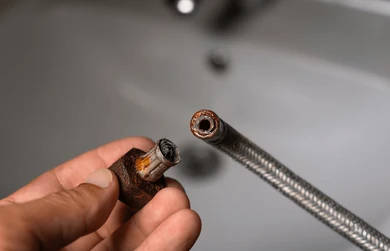
Plumbing systems are the unsung heroes of any home. We rely on them for everything from clean drinking water to hot showers, yet they are often overlooked until a problem arises. Regular plumbing maintenance may not seem necessary when everything appears to be working fine, but in reality, it is one of the most cost-effective and proactive measures a homeowner can take. In this article, we’ll explore the key benefits of regular plumbing maintenance and why it’s essential for keeping your home in peak condition. 1. Early Detection of Problems One of the most significant benefits of regular plumbing maintenance is the ability to catch small problems before they become larger, more expensive issues. During a routine inspection, a professional plumber can detect minor leaks, worn-out pipes, or early signs of corrosion. These problems might not cause immediate concern, but if left untreated, they can lead to severe water damage, mold growth, and costly repairs. For instance, a small leak under the sink might seem like a minor inconvenience, but over time, it can cause extensive water damage to your cabinets and floors. Early detection through regular maintenance can help you avoid these issues and keep your plumbing system running smoothly. 2. Improved Water Quality The quality of water in your home is directly related to the health of your plumbing system. Pipes that are old, corroded, or clogged can affect the taste and safety of your water. Over time, minerals, rust, and other contaminants can accumulate inside your pipes, leading to poor water quality. Regular plumbing maintenance can include flushing your water heater, inspecting your water lines, and checking for any signs of corrosion. By keeping your plumbing system clean and well-maintained, you ensure that your water remains safe and healthy for your family to use. 3. Increased Lifespan of Plumbing Components Just like any other system in your home, plumbing components wear out over time. However, regular maintenance can significantly extend the lifespan of these components. Water heaters, faucets, and pipes all have a limited lifespan, but with proper care and attention, you can delay the need for replacements. For example, a water heater that undergoes regular maintenance, such as flushing to remove sediment buildup, can last several years longer than one that is neglected. Similarly, keeping your faucets and pipes in good condition through regular checkups can help prevent leaks and prolong their usability. 4. Prevention of Costly Emergencies Plumbing emergencies tend to happen at the most inconvenient times, and they can be expensive to fix. A burst pipe, a backed-up sewer line, or a malfunctioning water heater can result in extensive water damage and require immediate attention. These emergencies often result from problems that could have been prevented with regular maintenance. By scheduling regular inspections, homeowners can avoid these costly surprises. A professional plumber can identify potential hazards, such as weak pipes or clogs in the drainage system, and address them before they lead to an emergency. In the long run, regular maintenance can save you money and prevent the stress of dealing with unexpected plumbing disasters. 5. Energy Efficiency Many homeowners may not realize that their plumbing system plays a significant role in their home’s overall energy efficiency. A water heater that is not properly maintained, for instance, may have to work harder to heat water, leading to increased energy consumption and higher utility bills. Similarly, leaks in your plumbing system can cause water to run continuously, wasting both water and energy. Regular maintenance can ensure that your plumbing system is operating efficiently. A plumber can check your water heater’s thermostat, flush out sediment that reduces efficiency, and fix any leaks that might be contributing to wasted energy. By keeping your plumbing system in good condition, you can reduce your environmental footprint and lower your utility bills. 6. Ensures Proper Water Pressure Low water pressure can be frustrating, whether you’re trying to take a shower, wash dishes, or fill a pot of water. One common cause of low water pressure is a build-up of sediment and minerals in your pipes. Over time, this accumulation can reduce the diameter of your pipes, leading to decreased water flow. Regular plumbing maintenance can address this issue by identifying and cleaning any blockages in your system. A plumber can also check for leaks that may be reducing water pressure and ensure that your pipes are in good condition. By maintaining your plumbing system, you can enjoy consistent water pressure throughout your home. 7. Health and Safety Benefits Water damage is not just an inconvenience—it can also pose significant health risks. Mold and mildew thrive in moist environments, and a plumbing leak can create the perfect conditions for their growth. Mold exposure can cause respiratory problems, especially for individuals with asthma or allergies. Additionally, contaminated water due to corroded or damaged pipes can pose a health risk to your family. Regular plumbing maintenance can help prevent these issues by addressing leaks and ensuring that your water supply is safe and clean. By taking care of your plumbing system, you also protect your family’s health and safety. 8. Increases Home Value If you’re considering selling your home, the condition of your plumbing system can significantly impact its value. A well-maintained plumbing system is a strong selling point, as prospective buyers are likely to be wary of homes with outdated or poorly maintained plumbing. Regular maintenance can increase your home’s resale value by giving potential buyers confidence that the plumbing system is in good condition. Additionally, it can prevent issues that might arise during a home inspection, which could lead to costly repairs or renegotiations during the sale process. 9. Saves Money on Water Bills Leaks, drips, and inefficient plumbing fixtures can waste a significant amount of water, leading to higher utility bills. A single leaky faucet, for instance, can waste gallons of water each day. Over time, these small leaks can add up to a substantial increase in your water bill. By addressing these issues through regular maintenance, you can