Frozen Pipes, Home Insurance, and the Texas Winter Storm
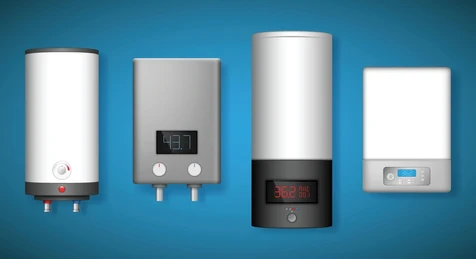
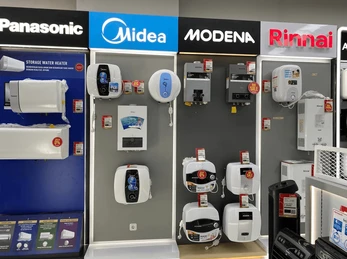
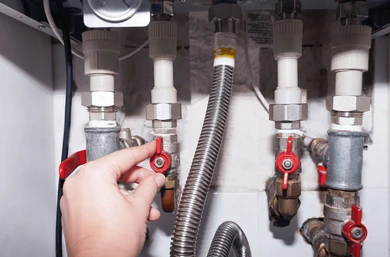
The recent Texas winter storm caused significant damage to many homes in North Texas due to frozen pipes. The main issue was not just the extreme cold weather, but also the loss of power that prevented homes from maintaining temperatures above freezing. This, coupled with typical construction practices in the region and insufficient freeze protection measures, led to widespread plumbing failures. A surge in emergency plumbing calls overwhelmed DFW plumbers for weeks, and even a month after the initial crisis, numerous households remain without hot water due to a lingering bracing themselves for a prolonged and arduous process of repairing water damage that will stretch on for months to come. Numerous inquiries have come in about the coverage provided by the home from frozen plumbing pipes and subsequent cleanup/restoration. To shed light on these inquiries, we consulted Barney Schwartz, the President of Personal Lines and Small Business at Assured Partners of Texas Insurance Agency. The ensuing discussion highlights key points that can benefit homeowners who have already submitted or are considering filing an insurance claim for their pipes. Just how severe was this Winter storm? How does its impact measure up to other calamities in terms of financial toll and scope? (Ind previous records as the costliest insured disaster in Texas history.) Indeed, the projected damage is expected to dwarf that of Hurricane Harvey, and what’s more, this storm’s reach was statewide, unlike other devastating events that have typically been confined to specific metropolitan. A decade ago, a comparable winter storm hit Texas, yet it had outages that led to pipe damage. Instead, the most severe losses reported during that storm were primarily related to sprinkler system failures in luxury residences and commercial high-rise buildings. Taxes homeowners policies commonly cover sudden and accidental water damage, along with frozen pipes if preventive measures were taken. However, is typically not covered if the property is vacant. The extent of coverage for slow water leaks may differ among insurance companies, but generally, damage inside the home is required for a claim to be valid. Taking preventive measures, such as allowing faucets to drip during freezing temperatures, can be considered a necessary precaution. Homeowners’ homes warm, protect outside faucets, and take other necessary steps to minimize potential damage. When dealing with what expenses their insurance will cover. While the actual repair of the pipe itself is typically not included, most policies do cover the costs associated with accessing the home. However, there usually needs to be evidence of damage within the home for a claim to be valid – if the pipe is broken but hasn’t caused any harm to the property, it’s unlikely to be covered. On the other hand, if the damage renders the home uninhabitable, many insurance policies provide provisions for temporary accommodation, covering the costs of relocating to a temporary residence. Homeowners with outdoor tankless water heaters may be facing a complete replacement. Does a standard homeowners policy typically cover major appliances like these? The answer is that larger appliances might be covered, but only if the damage is a result of a risk that is specifically listed as covered in the policy. chrome air conditioning Services|Heritage Plumbing Solutions What are some typical exclusions or grounds for claim rejection? The most common reason for denial is a lack of interior damage to the property. Additionally, many policies do not cover damage caused solely by cold temperatures. Generally, damage to landscaping or vegetation is not covered under standard policies. Furthermore, homes that have been unoccupied for an extended period, typically exceeding 30 days, may not be eligible for coverage. Following situation: a frozen pipe bursts, prompting a plumber to make repairs. Weeks later appears in another area, also apparently caused by This raises concerns about the potential impact on an insurance claim and the deductible. Determining whether the second issue is a continuation of the original loss or a new incident can be challenging. If the insurer deems it related to be applied. However, if it’s deemed a separate claim, a new deductible will be required. It’s essential to exercise caution when filing multiple claims, as submitting a third unrelated claim (likely classified as policy non-renewal, results in higher premiums and reduced coverage options. Considering this, do you suggest that homeowners should hold off on submitting a reasonable certainty that there will be no further delayed consequences from the freeze? I advise against waiting for that specific reason, but I do recommend delaying if the damages do not exceed $2,000 beyond the deductible. This is because filing a claim might lead to potential increases in insurance rates. Can additional provisions be included to prevent future difficulties? For instance, a provision that covers the cost of lodging in a hotel or apartment for major claims? Or a provision that covers additional meal expenses while a kitchen is out of use? An essential provision for water claims is coverage for slow leakage and seepage. This provision would not have impacted the recent storm since most pipe issues were viewed as sudden and accidental. Temporary accommodation is typically included in the majority of home insurance policies. It is crucial to obtain approval from the claims adjuster for temporary accommodation expenses. Should homeowners file a homeowners insurance claim first or immediately get a plumber and remodeler to start work? Pros and cons? It is advisable to evaluate the extent of the damage before deciding whether to file a homeowner claim or hire a plumber and remodeler. Consider whether the damage exceeds $2,500 above your deductible, as reporting a claim for lesser amounts may lead to higher premium costs. While the plumber’s services can be included in the claim, it’s important to note that the repair itself may not be covered, only the assessment and the causes of the damage. How might actual cash value vs replacement value affect claims resulting from the Texas winter storm? How can this impact plumbing? The distinction