Air Conditioning

Variable-Speed vs Single-Speed AC
AC Repair Frisco TX, AC Repair McKinney TX

Variable-Speed vs Single-Speed AC: Which Uses Less Electricity?

Variable-Speed vs Single-Speed AC: Which Uses Less Electricity? If you’re trying to lower your cooling costs, choosing the right air conditioner can make a significant difference. One of the biggest questions homeowners ask is variable speed vs single speed AC: which system uses less electricity? The answer depends on your home, climate, usage, and equipment efficiency. However, variable-speed technology can provide more efficient operation because the compressor can adjust its output instead of simply running at full capacity or turning off. In this guide, Chrome Air Conditioning explains how these two systems work, their electricity consumption, energy-saving potential, and what homeowners should consider before choosing one. What Is a Variable-Speed AC? A variable-speed air conditioner can adjust compressor speed according to the cooling demand inside your home. Instead of operating at maximum capacity whenever the system turns on, it can run at lower speeds for longer periods when less cooling is needed. This makes variable speed AC energy efficiency one of the main reasons homeowners consider upgrading from a traditional system. Because the system can continuously adjust its output, it may provide more consistent indoor temperatures and humidity control while avoiding some of the energy-intensive starts and stops associated with conventional systems. What Is a Single-Speed AC? A single-speed air conditioner has a compressor that generally operates at one capacity. When your thermostat calls for cooling, the system turns on and runs at full capacity until the desired temperature is reached. The compressor then shuts off. When the temperature rises again, it starts another cooling cycle. This straightforward design can make single-speed systems less expensive initially, but frequent starting and stopping can affect energy consumption. Understanding single stage AC electricity consumption is important when comparing long-term operating costs. Variable Speed vs Single Speed Electricity Usage So, variable speed AC vs single speed electricity usage—which one comes out ahead? In many situations, a variable-speed system can use less electricity because it can operate at lower capacity for extended periods rather than repeatedly running at maximum output. The actual savings depend on factors such as: AC efficiency rating Home size Insulation Ductwork condition Thermostat settings Outdoor temperature System sizing How frequently the AC operates Therefore, there isn’t one guaranteed percentage of savings for every home. Which AC Uses Less Electricity: Variable Speed or Single Speed? For homeowners asking which AC uses less electricity variable speed or single speed, variable-speed equipment generally has an efficiency advantage when properly installed and operated. A variable-speed compressor can reduce output when your home needs less cooling. During mild conditions, the system doesn’t necessarily need to operate at maximum capacity. This can help reduce unnecessary energy consumption. Does Variable Speed AC Save Electricity? One of the most common questions homeowners ask is, does variable speed AC save electricity? It can. Variable-speed systems are designed to match cooling output more closely with demand. Rather than repeatedly switching between full output and completely off, the compressor can adjust its operating speed. This can improve efficiency, particularly when the system spends significant time operating at lower capacity. However, savings aren’t guaranteed simply because an AC has variable-speed technology. Proper sizing, installation, maintenance, and efficiency ratings are also important. Variable Speed AC Energy Savings Potential variable speed air conditioner energy savings come primarily from more efficient modulation and longer operating cycles. A variable-speed system may also provide better temperature consistency because it can make smaller adjustments instead of waiting for the temperature to rise significantly before turning on at full capacity. For homeowners who run their AC frequently during hot weather, these efficiency advantages can become particularly important. Single Stage vs Variable Speed AC Energy Efficiency When comparing single stage vs variable speed AC energy efficiency, the biggest difference is how the compressor responds to cooling demand. A single-stage system generally operates at full capacity whenever it is running. A variable-speed system can operate at different speeds depending on what your home needs. Feature Single-Speed AC Variable-Speed AC Compressor operation One speed Multiple speeds Cooling adjustment Limited Continuous/modulating Temperature consistency Good Generally more precise Efficiency potential Standard Higher efficiency potential Initial equipment cost Usually lower Usually higher Energy-saving potential Moderate Higher Variable Speed AC Electricity Consumption Actual variable speed AC electricity consumption depends heavily on the system’s efficiency rating and how it is used. For example, a properly sized high-efficiency variable-speed system may spend much of its operating time at reduced capacity. However, a poorly sized or poorly installed system may not deliver the expected benefits. That’s why professional installation matters just as much as the equipment itself. Does Variable Speed AC Reduce Electric Bill? Many homeowners wonder, does variable speed AC reduce electric bill? It can potentially lower cooling-related electricity costs because the system can operate more efficiently under many conditions. But your total electric bill includes more than air conditioning. Appliances, lighting, water heating, insulation, windows, and other factors also affect energy consumption. For that reason, it’s better to consider a variable-speed system as one part of an overall energy-efficiency strategy. Variable Speed vs Single Stage AC SEER2 Another important consideration is variable speed vs single stage AC SEER2. SEER2 is a seasonal efficiency rating used to compare air-conditioning efficiency under standardized testing conditions. Generally, a higher efficiency rating indicates greater efficiency under the rating conditions. However, SEER2 should not be the only factor you consider. System size, installation quality, ductwork, thermostat settings, maintenance, and local climate can all influence real-world performance. Variable Speed AC Operating Cost The variable speed AC operating cost can be lower over time if the system delivers greater efficiency and operates frequently at reduced capacity. However, variable-speed equipment generally has a higher upfront purchase and installation cost. Homeowners should therefore compare both: Initial cost + expected operating costs + maintenance + expected service life rather than choosing equipment based only on the purchase price. Variable Speed AC Monthly Electricity Cost Your variable speed AC monthly electricity cost depends on several factors, including: Electricity rate AC efficiency System size Daily operating hours Outdoor temperature
AC Bill in Texas
AC Repair Frisco TX

Can Attic Insulation Lower Your AC Bill in Texas?

Can Attic Insulation Lower Your AC Bill in Texas? Texas summers can put your air conditioner under serious pressure. When outdoor temperatures climb, your AC may run for hours trying to keep your home comfortable. But if your attic is poorly insulated, heat can move into your living spaces and make your cooling system work even harder. So, can attic insulation lower your AC bill in Texas? Yes, improving attic insulation can help reduce heat transfer, improve indoor comfort, and potentially lower the amount of time your AC needs to run. For homeowners dealing with high summer electricity bills, understanding the connection between insulation and air conditioning can be an important step toward improving home energy efficiency. How Does Attic Insulation Affect Your AC Bill? Your attic can become extremely hot during a Texas summer. Without adequate insulation, some of that heat can transfer through the ceiling and into the rooms below. When this happens, your air conditioner has to remove more heat from your home. This can increase runtime and contribute to higher electricity consumption. Good attic insulation energy savings come from slowing down this heat transfer. Your home can stay cooler for longer, allowing your AC system to maintain the thermostat setting without working unnecessarily hard. This is why attic insulation and AC bills are closely connected. Can Attic Insulation Reduce Cooling Costs in Texas? If your attic is under-insulated, adding or upgrading insulation can help reduce the amount of heat entering your living areas. The potential benefit depends on several factors, including: Existing insulation levels Attic ventilation Home size and construction Air leaks around the attic AC efficiency Thermostat settings Outdoor temperature Condition of your ductwork Therefore, attic insulation reduce cooling costs is not a one-size-fits-all equation. Some homes may see a noticeable difference, while others may need additional improvements such as duct sealing or air sealing. Attic Insulation for Texas Heat Texas homes face prolonged periods of intense heat, making proper insulation particularly important. Attic insulation for Texas heat should be selected according to the home’s construction, climate conditions, and recommended insulation levels. The goal isn’t simply to install more insulation. It is to create an effective thermal barrier while addressing air leakage and ventilation problems. A professional inspection can help determine whether your current insulation is performing properly. What Is the Best Attic Insulation for Texas Homes? Homeowners often ask about the best attic insulation for Texas homes. Several insulation options are available, including fiberglass, blown-in cellulose, and spray foam. Each option has different characteristics, installation requirements, and costs. For example, blown-in insulation can be useful for adding coverage to existing attic spaces, while spray foam can provide both insulation and air-sealing benefits when professionally installed. The right choice depends on your home’s existing insulation, attic design, budget, and energy-efficiency goals. What R-Value Should Attic Insulation Have? Another important consideration is attic insulation R value Texas homeowners should use. R-value measures an insulation material’s resistance to heat flow. A higher R-value generally provides greater resistance to heat transfer, but the appropriate level depends on the home’s location and construction. Rather than choosing insulation based solely on the highest advertised R-value, homeowners should consider the complete attic system, including insulation coverage, air sealing, ventilation, and moisture control. How to Lower Your AC Bill in Texas If you’re searching for how to lower AC bill in Texas, attic insulation is only one part of the solution. Consider these practical steps: 1. Inspect Your Attic Insulation Look for thin, uneven, compressed, or damaged insulation. Missing insulation around certain areas can allow significant heat transfer. 2. Seal Air Leaks Small openings around wiring, pipes, recessed lights, and attic access points can allow conditioned air to escape. 3. Maintain Your AC System Regular AC maintenance helps keep the system operating efficiently. Dirty filters, restricted airflow, and neglected components can make cooling more difficult. 4. Check Your Ductwork Leaking or poorly insulated ducts can waste conditioned air before it reaches your rooms. 5. Use Your Thermostat Efficiently Avoid setting your thermostat dramatically lower than necessary. Consistent settings can help reduce unnecessary AC runtime. 6. Improve Attic Ventilation Proper ventilation can help manage heat and moisture in the attic. However, ventilation should be evaluated together with insulation and air sealing. Does Attic Insulation Save Money? A common question is does attic insulation save money? It can, particularly when an attic has inadequate insulation or significant air leakage. By reducing heat transfer, insulation may help your AC maintain indoor temperatures with less effort. However, savings vary from house to house. Installation costs, existing insulation, home design, weather conditions, AC efficiency, and household usage all influence the final results. That’s why homeowners should look at insulation as part of the home’s overall energy-efficiency system rather than expecting one upgrade to solve every high-bill problem. Attic Insulation Cost in Texas The attic insulation cost Texas homeowners pay depends on the size of the attic, insulation material, existing insulation, accessibility, labor, and the amount of preparation required. If you’re researching attic insulation cost Dallas TX, local pricing can also vary between homes and projects. Before making a decision, get a professional assessment and ask what work is included in the quoted price. Spray Foam vs. Blown-In Insulation The spray foam vs blown in insulation Texas discussion is common among homeowners. Blown-in insulation can provide broad coverage and is often used in attic applications. Spray foam can create an air barrier and may be useful when air leakage is a major concern. Neither option is automatically appropriate for every home. A professional should evaluate your attic before recommending a particular insulation method. When to Call a Professional If your AC runs constantly, some rooms remain hot, or your electricity bills have increased without a clear reason, your attic may be worth inspecting. You should also consider an inspection if: Your attic insulation looks thin or uneven Your upstairs rooms are significantly hotter Your AC runs continuously during summer Your home has noticeable temperature differences Your energy

AC Run All Day in Texas Heat
AC Repair McKinney TX, AC Repair Plano TX, Energy Efficiency

Best Thermostat Settings for Saving Energy in Texas Summer

Best Thermostat Settings for Saving Energy in Texas Summer Texas summers can push your air conditioner to work for hours every day. With temperatures climbing well into the 90s and sometimes higher, your thermostat setting can make a noticeable difference in both indoor comfort and energy consumption. Knowing the best thermostat setting for Texas summer can help you balance comfort with efficiency. At Chrome Air Conditioning, we help Texas homeowners keep their cooling systems operating efficiently while finding practical ways to manage summer energy costs. What Is the Best Thermostat Setting for Texas Summer? For many homeowners, around 78°F is a commonly recommended starting point when you’re home and comfortable with that temperature. The ideal setting can vary depending on humidity, insulation, sunlight, home layout, and personal comfort. The goal isn’t necessarily to keep your house extremely cold. Instead, choosing reasonable Texas summer thermostat settings and avoiding large amounts of unnecessary cooling can help reduce the workload on your AC system. If 78°F feels too warm, try increasing your thermostat gradually rather than making a dramatic change. What Is the Best AC Temperature for Summer in Texas? The best AC temperature for summer in Texas depends on your household’s comfort needs and how efficiently your home holds conditioned air. A useful approach is: Around 78°F when you’re home, if comfortable A few degrees higher when you’re away A comfortable setting for sleeping rather than excessively low temperatures Consistent settings instead of constantly changing the thermostat Lowering the thermostat dramatically does not necessarily cool your home faster. Your AC still has to remove the same heat from the house, and running it longer can increase energy consumption. Thermostat Setting to Save Money in Summer Your thermostat setting to save money in summer should reflect when your home actually needs cooling. For example, if everyone leaves for work or school during the day, there’s little reason to maintain exactly the same temperature as when the family is home. Increasing the temperature while the house is empty can reduce unnecessary cooling. However, avoid making extreme changes that cause your AC to run continuously when you return. A moderate adjustment is usually easier for your system to handle. What Thermostat Setting Should You Use When You’re Away? One of the easiest ways to reduce unnecessary cooling is adjusting the temperature when you’re not home. The thermostat setting when away in summer can generally be several degrees higher than your normal occupied temperature. The exact setting depends on how long you’re gone, outdoor conditions, pets, indoor humidity, and your home’s construction. The best thermostat setting when away from home is one that reduces cooling without allowing the house to become excessively hot or humid. For longer trips, a programmable or smart thermostat can make this adjustment automatically. How to Save Energy With Your Thermostat If you’re wondering how to save energy with thermostat in summer, start with simple habits. 1. Use a Consistent Schedule A programmable thermostat can automatically adjust temperatures based on your daily routine. Instead of remembering to change the temperature every morning and evening, you can create a schedule. A best thermostat schedule for summer might use a comfortable setting when you’re home, a higher setting while you’re away, and a comfortable sleeping temperature overnight. 2. Consider a Smart Thermostat Smart thermostat settings for summer can provide additional convenience because many smart thermostats allow homeowners to create schedules, monitor temperatures, and adjust settings remotely. Some models can also learn household routines and provide energy-use information. However, installing a smart thermostat isn’t automatically a guarantee of lower energy bills. Proper programming and reasonable temperature settings are still important. 3. Don’t Constantly Turn the Temperature Up and Down Constantly adjusting the thermostat can make it harder to maintain a predictable cooling schedule. Instead, choose temperatures that fit your routine and allow your AC system to operate consistently. How to Lower Your AC Electric Bill in Texas If you’re wondering how to lower AC electric bill in Texas, thermostat adjustments are only one part of the solution. You can also: Replace a dirty air filter regularly Keep doors and windows closed while the AC is running Use ceiling fans to improve comfort Close blinds or curtains against direct sunlight Seal obvious air leaks Make sure outdoor AC equipment has adequate airflow Schedule professional AC maintenance Check that your thermostat is reading the indoor temperature correctly Learning how to save money on AC in Texas summer becomes much easier when you combine thermostat management with proper HVAC maintenance. What Is the Best Thermostat Setting for Texas Heat? During periods of extreme weather, the best thermostat setting for Texas heat isn’t necessarily the lowest possible temperature. Setting the thermostat excessively low can increase the amount of time your system operates. Instead, choose a temperature that provides reasonable comfort while avoiding unnecessary cooling. Your home’s insulation, windows, ductwork, AC size, and system condition all influence how well your home maintains the desired temperature. Can Thermostat Settings Lower Your Electric Bill? Yes, adjusting your thermostat can potentially reduce cooling demand, particularly when you’re away from home for extended periods. The thermostat settings to lower electric bill strategy is straightforward: don’t cool an empty home to the same temperature you prefer when you’re there. Your actual savings will depend on factors such as outdoor temperature, home efficiency, AC efficiency, thermostat settings, and how long the temperature is adjusted. For homeowners asking how much does thermostat setting affect electric bill, there isn’t one universal dollar amount. Every home and cooling system is different. Best Temperature for AC to Save Electricity The best temperature for AC to save electricity is ultimately the highest indoor temperature that remains comfortable for your household. For many people, starting around 78°F when home and adjusting based on comfort is a practical approach. You can then use fans, shading, and humidity control to improve comfort without dramatically lowering the thermostat. Remember that thermostat settings are only effective when the AC system itself is operating properly. When

AC Running
AC Repair McKinney TX, AC Repair Plano TX

Does a Higher SEER2 Rating Really Lower Your Energy Bills?

Does a Higher SEER2 Rating Really Lower Your Energy Bills? When shopping for a new air conditioner, you will often see a SEER2 rating listed alongside the system’s other specifications. But does choosing a higher rating actually reduce your monthly electricity costs? Understanding SEER2 energy savings can help homeowners make a more informed decision when replacing an aging AC system. A higher-efficiency air conditioner can use less electricity to provide the same amount of cooling under standardized testing conditions. However, the amount you actually save depends on several factors, including your home’s size, insulation, thermostat settings, local electricity rates, and how often your AC operates. What Is a SEER2 Rating? What is SEER2? SEER2 stands for Seasonal Energy Efficiency Ratio 2. It is an efficiency rating used to measure the cooling efficiency of air-conditioning systems under updated testing procedures. In simple terms, a higher SEER2 rating generally indicates that an air conditioner can provide cooling with greater efficiency than a lower-rated system. For example, when comparing two otherwise similar systems, the higher-efficiency model may consume less electricity while delivering comparable cooling. However, SEER2 should not be viewed as a guarantee of a specific monthly savings amount. Does a Higher SEER2 Save Money? One of the most common homeowner questions is, does higher SEER2 save money? Potentially, yes. A higher-efficiency system can reduce the amount of electricity required for cooling. If your air conditioner runs frequently during hot weather, those efficiency differences can become more noticeable over time. However, the relationship between efficiency and your electric bill isn’t one-to-one. A home with excellent insulation and moderate cooling demand may see different savings than a poorly insulated home where the AC runs for long periods. This is why SEER2 energy savings should be considered alongside your home’s actual cooling requirements. How Much Does SEER2 Save? So, how much does SEER2 save? There isn’t one answer that applies to every household. Your potential savings can depend on: Your current AC’s efficiency The SEER2 rating of the replacement system How many hours your AC operates Local electricity prices Your home’s insulation and ductwork Thermostat settings Proper system sizing Maintenance and installation quality For this reason, homeowners should compare estimated operating costs rather than assuming that the highest available rating will automatically produce the biggest financial return. SEER2 Rating and Your Electricity Bill The connection between SEER2 rating and electricity bill is relatively straightforward: an efficient system can require less electricity to produce the required cooling. But your AC isn’t the only appliance contributing to your monthly electric bill. During a Texas summer, cooling can become a significant part of household electricity consumption, especially when outdoor temperatures remain high for extended periods. If your existing system is old and inefficient, replacing it with a modern higher-efficiency model may provide an opportunity to reduce cooling-related energy consumption while improving comfort. SEER2 vs. SEER: What’s the Difference? You may have previously seen the term SEER rather than SEER2. So what is the difference between SEER2 vs SEER? SEER2 uses updated testing procedures designed to better reflect real-world operating conditions. Because the testing methodology changed, SEER and SEER2 ratings should not always be treated as directly interchangeable numbers. If you’re comparing an older AC with a new system, ask an HVAC professional to compare the equipment’s expected operating costs rather than simply comparing the numbers on the labels. Is a Higher SEER2 Rating Always Better? A higher rating can mean greater efficiency, but that doesn’t necessarily mean every homeowner should purchase the highest-rated system available. For example, a homeowner may wonder about 16 SEER2 vs 18 SEER2 or 18 SEER2 vs 20 SEER2. The higher-rated system may consume less electricity, but it can also have a higher upfront purchase price. The important question is whether the expected energy savings justify the additional investment over the system’s expected service life. Similarly, homeowners replacing an older unit may encounter comparisons such as 14.3 SEER2 vs 16 SEER2. The right choice depends on the home’s cooling needs, budget, equipment costs, and expected usage. How to Estimate SEER2 Energy Savings A SEER2 energy savings calculator can provide a useful starting point for comparing potential operating costs. You may also find a SEER2 savings calculator useful when comparing different equipment options. These tools typically consider factors such as system efficiency, operating hours, cooling capacity, and electricity rates. Keep in mind that calculator results are estimates. Actual energy consumption can vary because every home, installation, and usage pattern is different. What Is the Best SEER2 Rating for an AC? There isn’t one best SEER2 rating for AC that is appropriate for every home. Instead, homeowners should consider the complete system. A properly sized, professionally installed air conditioner with appropriate efficiency may provide better real-world results than simply choosing equipment based on the highest rating. Your HVAC contractor can evaluate your home’s cooling load and discuss the available efficiency options. High-Efficiency Air Conditioner SEER2 Options A high efficiency air conditioner SEER2 system can be attractive to homeowners who use their AC heavily and want to reduce cooling-related electricity consumption. However, efficiency is only one part of the equation. Installation quality, airflow, refrigerant charge, ductwork, maintenance, and system sizing can all affect how efficiently your air conditioner operates. A highly rated system that is poorly installed may not deliver the expected performance. Other Ways to Reduce Your AC Energy Costs Even if you’re not ready to replace your AC, several steps can help improve efficiency. Regular maintenance can help keep your system operating properly. Replacing a dirty air filter, keeping outdoor equipment clear of debris, sealing duct leaks, and using a reasonable thermostat setting can all support efficient operation. Improving attic insulation and reducing unwanted heat gain through windows can also reduce the workload placed on your air conditioner. These improvements can complement the benefits of an efficient system. When Should You Consider an AC Upgrade? If your current air conditioner requires frequent repairs, struggles to keep your home comfortable, or produces unusually high cooling

AC Use Per Hour in Texas
AC Repair McKinney TX, AC Repair Plano TX

How Much Electricity Does an AC Use Per Hour in Texas?

How Much Electricity Does an AC Use Per Hour in Texas? Texas summers can put your air conditioner to work for hours every day. If you’ve noticed your electricity bill increasing during hot weather, you may be wondering how much electricity an AC uses per hour? The answer depends on several factors, including your AC’s size, efficiency, age, thermostat setting, home insulation, and outdoor temperature. A larger central air conditioner can consume considerably more electricity than a smaller system. For Texas homeowners, understanding how much electricity does an AC use in Texas can make it easier to manage cooling costs and identify opportunities to improve efficiency. At Chrome Air Conditioning, we help homeowners understand their cooling systems and keep their AC equipment operating efficiently. How Many kWh Does an AC Use Per Hour? One of the easiest ways to understand air conditioner electricity consumption is through kilowatt-hours, or kWh. The amount of electricity an AC uses depends mainly on its wattage. For example, an air conditioner that draws 3,000 watts while operating uses approximately 3 kWh for one hour of continuous operation. However, your AC usually doesn’t run continuously. A thermostat turns the system on and off as needed to maintain the desired indoor temperature. This means actual AC electricity usage per hour can vary throughout the day. Factors affecting consumption include: AC size and tonnage SEER2 efficiency rating Outdoor temperature Thermostat setting Home insulation Ductwork condition Air filter condition How long the compressor runs How Much Does It Cost to Run AC Per Hour in Texas? If you’re asking how much does it cost to run AC per hour, the calculation is relatively simple: Electricity cost = AC power consumption × electricity rate For example, if an AC uses 3 kWh while operating and your electricity rate is $0.16 per kWh: 3 kWh × $0.16 = $0.48 per hour This is only an example. Your actual cost can be higher or lower depending on your AC system and electricity plan. That’s why AC running cost per hour Texas homeowners experience can vary significantly from one household to another. How Much Does a Central AC Cost Per Hour in Texas? Many Texas homes use central air conditioning, making central AC cost per hour Texas homeowners pay an important consideration. A central AC system may consume several kilowatt-hours while running, depending on its capacity and efficiency. A larger 4-ton or 5-ton system generally requires more electricity than a smaller system. However, newer high-efficiency systems can provide the same cooling with less electricity than older equipment. When considering how much does central AC cost to run in Texas, don’t look at the system’s size alone. Efficiency and operating conditions matter too. Central AC Electricity Usage Per Hour The central AC electricity usage per hour can vary considerably. For example, a properly maintained high-efficiency system may consume less electricity than an older, inefficient unit even if both systems provide similar cooling capacity. If your AC seems to run constantly during hot Texas afternoons, several issues could contribute: Dirty air filters Poor insulation Refrigerant problems Leaking ducts Dirty condenser coils Incorrect system sizing Weak airflow An aging compressor A professional inspection can help determine whether the equipment itself is responsible for excessive energy consumption. How Many Watts Does an AC Use? If you’re wondering how many watts does an AC use, there isn’t one universal answer. Small window or portable units may use significantly less power than large central AC systems. Central systems can require thousands of watts while actively cooling. The easiest way to determine your system’s electrical requirements is to check its equipment label or have an HVAC professional evaluate the system. Keep in mind that the rated electrical consumption isn’t necessarily the same as your average hourly consumption because the compressor cycles on and off. 3 Ton AC Electricity Usage Per Hour A 3 ton AC electricity usage per hour depends on the specific model and its efficiency rating. A newer 3-ton system with a higher efficiency rating may consume less electricity than an older 3-ton system. For homeowners comparing replacement options, looking at both cooling capacity and efficiency is important. Installing a properly sized system can help prevent unnecessary energy consumption. 5 Ton AC Electricity Usage Per Hour A 5 ton AC electricity usage per hour is generally higher than a 3-ton system because a 5-ton system has greater cooling capacity. However, that doesn’t automatically mean a 5-ton AC is inefficient. A larger system may be appropriate for a larger home or building. The important factor is whether the equipment is correctly sized for the property. How Much Electricity Does AC Use Per Day? If you’re asking how much electricity does AC use per day, consider both the system’s power consumption and its actual runtime. For example, an AC that averages 3 kWh while operating and runs for 8 equivalent hours would consume approximately: 3 kWh × 8 hours = 24 kWh per day Your actual usage could be significantly different depending on weather, thermostat settings, insulation, and system efficiency. During a Texas heat wave, your AC may operate considerably longer than it does on a mild day. How Much Does AC Add to Electric Bill in Texas? So, how much does AC add to electric bill in Texas? There isn’t a single number for every household. Your additional cost depends on: Daily AC runtime Electricity rate AC efficiency System size Home size Outdoor temperature Insulation Thermostat setting If your AC runs for many hours every day, cooling can become one of the largest contributors to your summer electricity bill. How to Reduce AC Electricity Usage in Texas Knowing how to reduce AC electricity usage in Texas can help lower cooling costs without sacrificing comfort. 1. Replace Dirty Filters A clogged filter restricts airflow and can make your AC work harder. Check your filter regularly and replace it according to the manufacturer’s recommendations. 2. Keep Your Thermostat Reasonable Setting your thermostat slightly higher during extremely hot weather can reduce

AC Using So Much Electricity
AC Repair McKinney TX

Why Is My AC Using So Much Electricity? 10 Possible Reasons

Why Is My AC Using So Much Electricity? 10 Possible Reasons If you’ve noticed that your electricity bill has suddenly increased, your air conditioner may be one of the biggest reasons. Understanding why is my AC using so much electricity can help you identify problems before they lead to even higher energy costs or expensive repairs. An AC system naturally uses a significant amount of electricity, especially during hot Texas summers. However, unusually high energy consumption can indicate an efficiency problem. From dirty filters and low refrigerant to an aging system, several issues can cause an air conditioner to work harder than necessary. Here are 10 possible reasons your AC may be consuming more electricity than it should. 1. Your AC Filter Is Dirty One of the simplest explanations for AC using too much electricity is a clogged or dirty air filter. When the filter becomes packed with dust and debris, air cannot move freely through the system. Your AC may then run longer to reach the thermostat’s temperature setting. Many homeowners wonder, does a dirty AC filter increase electricity bill? Yes. A restricted airflow can make your system work harder and may increase energy consumption. Check your filter regularly and replace it according to the manufacturer’s recommendations. 2. Your AC Is Running Constantly If your system seems to run almost nonstop, you may notice an AC running constantly high electric bill situation. But why does my AC run constantly? Several problems can cause excessive runtime, including poor airflow, low refrigerant, inadequate insulation, an undersized system, or extreme outdoor temperatures. A properly maintained AC should cycle on and off as needed. If it runs continuously without adequately cooling your home, professional troubleshooting may be necessary. 3. Low Refrigerant Can Increase Energy Use Refrigerant is essential for removing heat from your home. If the system has a refrigerant leak or an incorrect refrigerant charge, it may struggle to cool effectively. This can lead to the common question, does low refrigerant increase electricity consumption? It can. An AC that cannot transfer heat efficiently may operate for longer periods while consuming more energy. Other signs can include warm air from the vents, ice on the indoor or outdoor unit, and unusually long cooling cycles. 4. Dirty Evaporator or Condenser Coils Your AC’s coils play an important role in transferring heat. When dirt accumulates on the evaporator or condenser coils, heat transfer can become less efficient. The system may then need to work harder and run longer. Regular professional maintenance can help keep these components clean and allow your air conditioner to operate more efficiently. 5. Your AC Is Old and Losing Efficiency If you have an older air conditioner, it may naturally consume more electricity than a newer, high-efficiency system. Many homeowners ask, does an old AC use more electricity? In many cases, yes. Older equipment can have lower efficiency ratings, aging components, and reduced performance. If your AC requires frequent repairs and your energy bills continue increasing, comparing repair costs with replacement options may make sense. 6. Your AC May Be the Wrong Size An improperly sized air conditioner can also contribute to high energy consumption. An oversized system may cool the space quickly but cycle too frequently, while an undersized system may run for long periods without keeping the home comfortable. Proper sizing considers factors such as home size, insulation, windows, occupancy, and local climate—not just square footage. 7. Poor Insulation Is Making Your AC Work Harder Your air conditioner cannot efficiently cool your home if conditioned air is constantly escaping. Poor attic insulation, air leaks around windows and doors, and inadequate insulation in other areas can allow heat into your home. The result may be longer AC cycles and higher energy consumption. If you’re searching how to reduce AC electricity consumption, improving your home’s insulation and sealing air leaks can be an important part of the solution. 8. Your Thermostat Settings May Be Increasing Energy Use Thermostat settings can have a major effect on energy consumption. Setting your AC extremely low does not necessarily make the system cool your home faster. Instead, it can cause the system to operate for longer periods. Using a programmable or smart thermostat can help maintain more consistent temperatures and reduce unnecessary cooling when nobody is home. 9. Your AC Needs Professional Maintenance Skipping routine maintenance can gradually reduce AC efficiency. During a professional tune-up, an HVAC technician can inspect important components, check electrical connections, examine refrigerant levels, clean certain components, and identify potential problems. Routine maintenance can help prevent small issues from developing into expensive repairs while helping your system operate efficiently. 10. Your AC May Simply Be Working Too Hard During Extreme Heat During very hot weather, your air conditioner naturally has to work harder to remove heat from your home. This can increase AC electricity consumption, particularly when outdoor temperatures remain high for extended periods. However, if your system suddenly consumes much more electricity than usual, struggles to maintain the thermostat setting, or runs continuously, there may be an underlying mechanical or airflow problem. How to Reduce Your AC Electricity Bill If you’re searching how to reduce AC electricity bill or how to lower AC electric bill, start with simple efficiency improvements: Replace dirty air filters regularly. Keep supply and return vents unobstructed. Use reasonable thermostat settings. Schedule regular AC maintenance. Improve insulation and seal obvious air leaks. Keep outdoor AC equipment clear of excessive debris. Consider upgrading an aging, inefficient system. Use a programmable or smart thermostat. Have refrigerant and electrical problems professionally inspected. You can also monitor your monthly energy usage. A sudden increase can help you identify when an AC problem may have started. How Much Electricity Does an AC Use? How much electricity does an AC use? It depends on several factors, including the system’s size, efficiency rating, outdoor temperature, thermostat setting, runtime, insulation, and condition. For example, a large system operating continuously will naturally consume more electricity than a properly sized, high-efficiency system that cycles normally.

HVAC Tune-Up
AC Maintenance, AC Repair McKinney TX, Air Conditioning

Does an HVAC Tune-Up Really Save Money on Your Energy Bill?

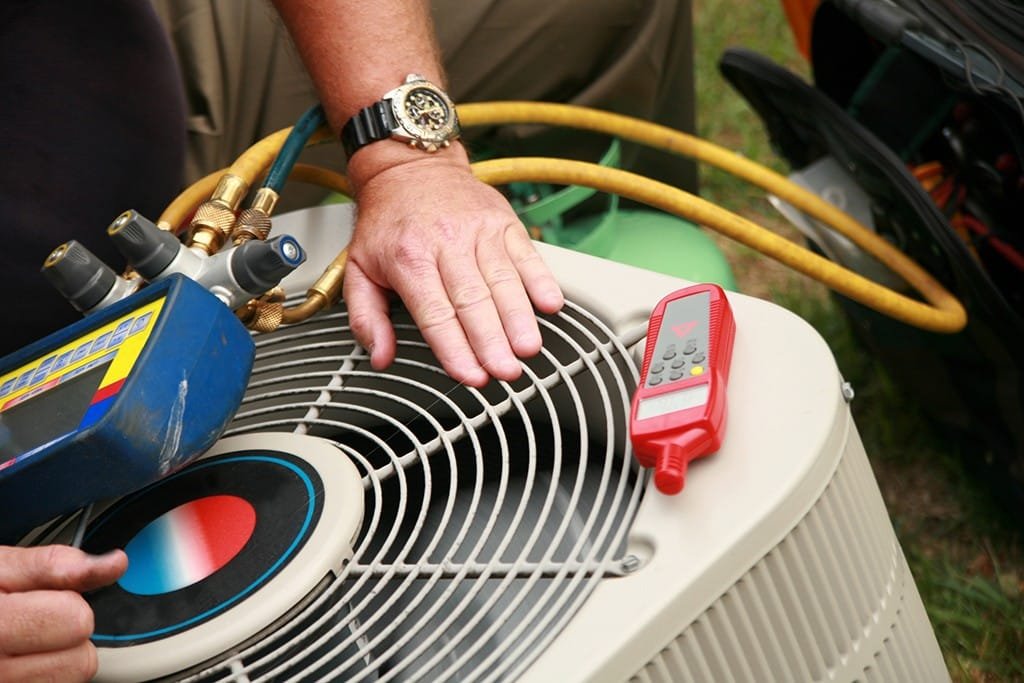
Does an HVAC Tune-Up Really Save Money on Your Energy Bill? When your electricity bill keeps climbing during a hot Texas summer, you may wonder whether an HVAC tune up is actually worth paying for. The short answer is that regular maintenance can help your air conditioning system operate more efficiently, reduce unnecessary energy waste, and potentially lower operating costs. However, the amount you save depends on your system’s condition, age, usage, and existing efficiency. For homeowners in Dallas and Plano, where air conditioners can run for long periods during hot weather, regular HVAC maintenance can be an important part of keeping cooling costs under control. How Does an HVAC Tune-Up Help Save Energy? An HVAC system doesn’t necessarily become inefficient overnight. Small problems can gradually make your system work harder to provide the same amount of cooling. During an AC tune up, a technician can inspect important components, check system operation, identify potential problems, and make adjustments when necessary. For example, restricted airflow, dirty components, electrical issues, or other maintenance problems can cause an air conditioner to work harder. When your system runs longer than necessary, it can consume more electricity. That’s why an AC maintenance visit can be about more than preventing breakdowns. It can also help your system maintain efficient operation. Does HVAC Maintenance Really Save Money? One of the most common questions homeowners ask is: does HVAC maintenance save money? Potentially, yes. A properly maintained system can operate more efficiently than one that has been neglected. Maintenance may also help identify smaller problems before they become expensive repairs. However, an HVAC tune-up isn’t a guarantee that your electricity bill will suddenly drop by a specific percentage. Your energy consumption also depends on thermostat settings, insulation, home size, weather, ductwork, equipment efficiency, and how frequently you use your AC. The real benefit is reducing avoidable energy waste while helping your equipment operate as intended. Does AC Maintenance Save Money in the Long Run? If you’re wondering does AC maintenance save money, consider both energy costs and repair costs. Regular maintenance can help identify worn or malfunctioning components before they cause larger problems. It may also help your equipment maintain consistent performance. For example, an air conditioner struggling with airflow or another maintenance-related issue may run longer to reach the desired temperature. Addressing the underlying issue can help prevent unnecessary operation. In addition, maintaining your system may help extend its useful service life, potentially delaying the need for an expensive replacement. What Does an HVAC Tune-Up Cost? Before scheduling service, many homeowners search for HVAC tune up cost. Prices vary depending on the company, location, system type, and what’s included in the service. The important thing isn’t simply finding the cheapest tune-up. Ask what the service includes and whether the technician will inspect the major components of your system. A professional tune-up should focus on system performance and identifying issues that could affect reliability or efficiency. Does an AC Tune-Up Save Energy? So, does an AC tune up save money on electricity? It can help, particularly when your system has maintenance issues that are affecting efficiency. A properly maintained air conditioner doesn’t have to work unnecessarily hard because of preventable problems. However, maintenance is only one part of energy savings. Homeowners can also improve efficiency by using appropriate thermostat settings, replacing filters regularly, improving insulation, sealing duct leaks, and keeping doors and windows closed while the AC is running. This makes an AC tune up energy savings strategy most effective when combined with other energy-efficiency practices. How HVAC Maintenance Improves Energy Efficiency Good HVAC energy efficiency means getting the required heating or cooling performance without wasting unnecessary energy. During maintenance, a technician can look for issues that may interfere with normal operation. Depending on the equipment, this can include checking airflow, electrical components, system controls, and other important operating conditions. If your system is frequently running longer than expected, producing uneven cooling, or struggling to maintain your thermostat setting, maintenance may help identify the reason. 5 Other Ways to Lower Your AC Energy Bill If you’re searching for how to lower AC energy bill costs, don’t rely on maintenance alone. 1. Replace Your Air Filter A dirty filter can restrict airflow and make your system work harder. Check your filter regularly and replace it according to the manufacturer’s recommendations. 2. Use a Reasonable Thermostat Setting Setting the thermostat extremely low doesn’t necessarily cool your home faster. A reasonable temperature can help control energy consumption. 3. Keep Outdoor Equipment Clear Leaves, grass, dirt, and other debris around the outdoor unit can interfere with airflow. Keep the surrounding area clear. 4. Improve Home Insulation Poor insulation allows conditioned air to escape and outdoor heat to enter. Improving insulation can reduce the workload placed on your HVAC system. 5. Schedule Preventive Maintenance Regular maintenance can help catch problems before they affect system performance. This is especially useful before periods of heavy AC usage. These steps can also help answer the broader question of how to reduce HVAC energy costs throughout the year. What Are the Main AC Maintenance Benefits? There are several potential AC maintenance benefits beyond energy efficiency. Routine service can help: Identify developing mechanical or electrical problems Maintain consistent cooling performance Improve system reliability Reduce unexpected breakdown risks Support efficient operation Potentially extend equipment life Identify maintenance issues before they become more expensive Similarly, the HVAC maintenance benefits can extend beyond your monthly energy bill. Preventive care can help you stay ahead of avoidable problems and keep your equipment operating more consistently. When Should Dallas Homeowners Schedule an HVAC Tune-Up? Dallas homeowners often put significant demand on their air conditioners during the summer. If your system runs frequently, preventive maintenance can be particularly important. If you’re searching for AC maintenance Dallas TX, consider scheduling service before the hottest part of the cooling season. A tune-up may also be worth considering if your AC is: Running constantly Producing inconsistent temperatures Making unusual sounds Struggling to cool your home Causing

https://chromeairconditioning.com/ac-maintenance/
AC Repair McKinney TX

How to Lower Your AC Electric Bill in Dallas TX: 12 Practical Tips

How to Lower Your AC Electric Bill in Dallas TX: 12 Practical Tips Dallas summers can put serious pressure on your air conditioner—and your electricity bill. When temperatures climb, your AC may run for hours just to keep your home comfortable. The good news is that you don’t always need a new system to reduce cooling costs. If you’re wondering how to lower AC bill in Dallas TX, there are several practical steps you can take. From adjusting your thermostat to replacing your air filter and scheduling professional maintenance, these simple changes can help your AC operate more efficiently. Chrome Air Conditioning helps Dallas-area homeowners keep their cooling systems efficient, reliable, and comfortable throughout the Texas heat. 1. Set Your Thermostat Wisely One of the easiest ways to save electricity with AC is to adjust your thermostat when you’re away or sleeping. During summer, try setting your thermostat a few degrees higher when the house is empty. A programmable or smart thermostat can automatically adjust the temperature according to your schedule. Knowing the best thermostat setting to save energy can make a noticeable difference over the course of a hot Dallas summer. 2. Change Your AC Filter Regularly A dirty filter makes your air conditioner work harder because air cannot move through the system efficiently. This can increase operating time and contribute to higher energy consumption. If you’re asking how often should AC filters be changed, the answer depends on your home, filter type, pets, and indoor air quality. Many standard filters need replacement approximately every one to three months. Regular filter replacement is one of the simplest Dallas TX AC energy saving tips homeowners can follow. 3. Schedule Regular AC Maintenance Professional maintenance can help identify problems before they cause poor performance or unnecessary energy use. An AC tune-up typically involves inspecting important components, checking system operation, and identifying issues that could affect efficiency. Regular AC maintenance to reduce energy bills can also help your system operate more consistently during periods of extreme Dallas heat. If your system needs professional attention, scheduling an AC tune up Dallas TX service with Chrome Air Conditioning can help keep your equipment ready for summer. 4. Keep Your Outdoor Unit Clear Your outdoor condenser needs adequate airflow to release heat. Leaves, grass, dirt, and other debris can restrict airflow around the unit. Keep the area around your outdoor AC unit reasonably clear and avoid placing objects directly against it. Better airflow can help your system work without unnecessary strain and may contribute to how to reduce AC energy consumption in your home. 5. Seal Air Leaks Around Your Home Cool air can escape through gaps around doors, windows, duct connections, and other areas of your home. If conditioned air is constantly escaping, your AC may need to run longer to maintain the thermostat setting. Sealing obvious air leaks and improving insulation can help reduce AC cooling costs, particularly during the hottest parts of the Dallas summer. 6. Check Your Ductwork Leaky or poorly insulated ductwork can waste conditioned air before it reaches your rooms. If certain rooms are consistently warmer than others or your AC seems to run continuously, ductwork could be part of the problem. A professional inspection can help determine whether duct leaks or airflow problems are contributing to a high AC electric bill. 7. Use Ceiling Fans Strategically Ceiling fans don’t actually lower the temperature of a room, but they can make people feel cooler by improving air circulation. Using fans while you’re in the room may allow you to set the thermostat slightly higher without sacrificing comfort. This can be another simple way to save money on AC during hot weather. 8. Reduce Heat Inside Your Home Your AC doesn’t have to fight against unnecessary indoor heat. During the hottest part of the day, consider closing blinds or curtains, limiting the use of ovens, and turning off unnecessary lights and electronics. Reducing indoor heat can make it easier for your AC to maintain your preferred temperature. These small changes can help lower electricity bill in summer without requiring major equipment upgrades. 9. Avoid Constantly Changing the Thermostat Frequently lowering the thermostat does not necessarily cool your home faster. Instead, it can cause your AC to operate for longer periods. Choose a comfortable temperature and allow the system to maintain it. If you’re away for several hours, use a programmable schedule rather than manually changing the thermostat throughout the day. This is particularly useful for homeowners looking for ways to lower AC electric bill during long Dallas summers. 10. Consider Your AC System’s Efficiency Older air conditioners may consume more electricity than newer, properly sized and efficiently operating systems. If your AC is aging, frequently needs repairs, struggles to cool your home, or produces unusually high energy bills, it may be worth discussing your options with an HVAC professional. A professional can help determine whether repair, maintenance, or replacement makes sense for your situation. When considering an energy efficient AC Dallas TX homeowners should look at the system’s efficiency, size, condition, and expected operating costs—not just the purchase price. 11. Don’t Ignore AC Problems A struggling air conditioner can consume more electricity while providing less cooling. Common warning signs include: AC running almost constantly Uneven cooling Weak airflow Strange noises Frequent cycling Warm air coming from vents Unexpected increases in electricity costs Understanding why is my AC using so much electricity can start with checking these warning signs. If your system isn’t cooling properly, professional AC repair Dallas TX service can help identify the underlying problem. 12. Know When to Call an HVAC Professional DIY maintenance has its limits. If you’ve changed the filter, adjusted the thermostat, and kept the outdoor unit clear but your electricity bill remains unusually high, there may be an underlying HVAC issue. A professional can inspect the system and look for problems affecting performance, airflow, refrigerant levels, electrical components, ductwork, or overall efficiency. If you’re trying to make AC more energy efficient, a professional

Poor AC Airflow
AC Repair McKinney TX

How to Improve AC Airflow in an Older Texas Home

How to Improve AC Airflow in an Older Texas Home Older Texas homes can have plenty of character, but they can also come with HVAC problems that newer homes are less likely to experience. One of the most common issues is poor or uneven AC airflow. You may notice that some rooms stay comfortable while others remain hot, vents have weak airflow, or your air conditioner seems to run constantly during a Texas summer. Fortunately, there are several ways to improve airflow without immediately replacing your entire HVAC system. From checking air filters and ductwork to improving insulation and evaluating your equipment, these steps can make your home more comfortable and help your AC work more efficiently. Why Do Older Texas Homes Have Poor AC Airflow? Homes built decades ago were often designed with different insulation standards, ductwork layouts, and HVAC requirements than today’s homes. Over time, ducts can develop leaks, insulation can deteriorate, vents can become blocked, and older air-conditioning equipment can lose efficiency. Texas weather adds another challenge. Long periods of extreme heat put significant demand on cooling systems. If your HVAC system cannot distribute enough conditioned air throughout the house, certain rooms may remain uncomfortable even when the thermostat reaches the desired temperature. 1. Replace Your AC Air Filter Regularly One of the easiest ways to improve airflow is replacing a dirty air filter. A clogged filter restricts the amount of air your HVAC system can pull through the return vent. This forces the blower to work harder and can reduce airflow to your rooms. Check your filter regularly, especially during periods of heavy AC use. Depending on the type of filter, household conditions, pets, and indoor air quality needs, replacement intervals can vary. If replacing the filter does not improve airflow, there may be a deeper problem with your ductwork, blower, or HVAC system. 2. Inspect Your Ductwork for Leaks Ductwork is especially important in older Texas homes. Ducts can develop cracks, loose connections, disconnected sections, or inadequate insulation over the years. Air escaping through damaged ducts never reaches the rooms where you need it. This can result in weak airflow and inconsistent temperatures. A professional HVAC technician can inspect your duct system and identify areas where air is being lost. Sealing leaks and improving duct insulation may significantly improve air distribution. 3. Make Sure Your Vents Are Open and Unblocked Check every supply vent and return vent throughout your home. Furniture, curtains, rugs, and other objects can accidentally block vents. Closed or restricted vents can affect airflow and make certain rooms warmer than others. Keep supply registers open and make sure return-air grilles have adequate clearance. If one room consistently has much weaker airflow than the rest of your home, however, simply opening the vent may not solve the problem. The duct serving that room could be undersized, damaged, or poorly designed. 4. Check Your Return Airflow Your AC system needs both supply and return airflow to operate properly. If the return side of the system cannot pull enough air from the house, the entire HVAC system can struggle to maintain proper airflow. Older homes sometimes have limited return-air pathways compared with modern HVAC designs. A professional evaluation can determine whether your home needs additional return-air capacity or improvements to the existing return system. 5. Improve Attic Insulation Texas summers can make your attic extremely hot. If an older home has insufficient attic insulation, heat can transfer into the living areas and increase the cooling load. Even if your AC is producing cold air, inadequate insulation can make your home feel warmer than expected. Improving attic insulation can help your home retain conditioned air and reduce the amount of work required from your HVAC system. 6. Seal Air Leaks Around Windows and Doors Airflow problems are not always caused by the AC itself. Older windows and doors may have gaps that allow conditioned air to escape and hot outdoor air to enter. Weatherstripping, caulking, and other air-sealing improvements can help your home maintain a more consistent indoor temperature. This can be particularly useful in older Texas houses where the building envelope may not be as energy-efficient as a newer home. 7. Consider a Professional AC Inspection If airflow remains weak after checking filters, vents, and obvious duct problems, it’s time to have the HVAC system professionally inspected. A technician can check the blower motor, evaporator coil, condenser, refrigerant system, ductwork, electrical components, and overall system performance. A dirty evaporator coil, failing blower motor, frozen coil, or other mechanical issue can restrict airflow and reduce cooling performance. Should You Repair or Replace an Older AC System? If your AC is several years old and requires frequent repairs, you may eventually need to compare repair costs with replacement. For Texas homeowners, understanding heat pump vs central AC can also be useful when considering a new HVAC system. A heat pump vs AC in Texas comparison should consider cooling performance, heating needs, energy efficiency, installation costs, and the home’s existing ductwork. Homeowners may also research heat pump vs central air Texas, heat pump or AC for Texas, and is a heat pump worth it in Texas before making a replacement decision. A professional can help determine whether your existing central AC can be improved or whether replacement makes more sense. Heat Pump or Central AC: What Should Texas Homeowners Consider? When replacing an older HVAC system, homeowners often compare a traditional central AC with a heat pump. Researching are heat pumps good in Texas and heat pump for Texas climate can help you understand how heat-pump technology works in the state’s climate. Cost is another important consideration. Homeowners may compare heat pump installation cost Texas, heat pump cost Texas, and central AC replacement cost Texas before choosing new equipment. Energy use should also be part of the conversation. Comparing heat pump vs AC cost, heat pump vs central AC cost, and heat pump energy efficiency Texas can help you understand potential operating differences. You can also investigate

Do Air Purifiers
AC Repair McKinney TX, AC Repair Plano TX

Why Your Upstairs Is Hotter Than Downstairs in a Texas Home

Why Your Upstairs Is Hotter Than Downstairs in a Texas Home If your upstairs feels much hotter than your downstairs, you are not imagining it. Uneven temperatures are common in Texas homes, especially during the long, intense summer season. Your thermostat may show a comfortable temperature downstairs while bedrooms and living spaces upstairs remain noticeably warm. Several factors can cause this problem, including heat rising, attic temperatures, poor insulation, ductwork issues, air leaks, and an HVAC system that is not properly sized for the home. For homeowners considering HVAC improvements, understanding these issues can also help when comparing options such as heat pump vs AC in Texas, evaluating heat pump energy efficiency Texas, or deciding whether your existing central air system needs replacement. Why Is Upstairs Hotter Than Downstairs? 1. Heat Naturally Rises One of the simplest reasons your upstairs is hotter is that warm air rises. As your home absorbs heat throughout the day, some of that heat naturally moves toward the upper floors. In Texas, this effect can become especially noticeable when outdoor temperatures remain extremely high for hours. The second floor may therefore require more cooling than the first floor. If your HVAC system distributes the same amount of conditioned air throughout the house without accounting for these differences, the upstairs can remain several degrees warmer. 2. Your Attic May Be Adding Extra Heat An attic can become extremely hot during a Texas summer. If your attic insulation is inadequate or deteriorated, heat can transfer from the attic into the rooms directly below it. This makes your air conditioner work harder to maintain the temperature upstairs. Proper insulation and attic ventilation can reduce heat transfer and improve overall HVAC performance. Before investing in a completely new system, homeowners should determine whether the problem is actually related to the home’s thermal envelope. 3. Your Ductwork May Not Be Distributing Air Properly Ductwork plays a major role in maintaining consistent temperatures throughout a home. Leaky, disconnected, undersized, or poorly designed ducts can prevent enough cool air from reaching upstairs rooms. You may notice: Weak airflow from upstairs vents Bedrooms that stay hot Large temperature differences between floors Longer AC run times Higher electricity bills A professional HVAC inspection can identify duct leaks, restrictions, insulation problems, and airflow imbalances. 4. Your HVAC System May Not Be Properly Sized A system that is too small may struggle to cool your entire home during extreme Texas heat. However, installing an oversized system isn’t necessarily the answer either. Proper HVAC sizing considers factors such as home size, insulation, windows, orientation, ductwork, and local climate. If your system is aging or repeatedly struggling to cool upstairs rooms, you may want to compare the central AC replacement cost Texas homeowners can expect with the cost of repairing the existing system. Could a Heat Pump Help With Uneven Temperatures? Some Texas homeowners are considering heat pumps as an alternative to traditional air conditioning systems. If you’re researching heat pump or AC for Texas, it’s important to understand that heat pumps can provide both heating and cooling from one system. However, whether a heat pump is appropriate for your home depends on factors such as your existing HVAC setup, insulation, ductwork, home size, and heating requirements. When comparing heat pump vs central AC, remember that changing equipment alone may not solve an upstairs temperature problem if the underlying issue is poor insulation or inadequate duct distribution. Heat Pump Benefits in Texas There are several potential heat pump benefits in Texas, including both heating and cooling capability and potentially efficient operation. Homeowners researching heat pump energy efficiency Texas should look at the system’s efficiency ratings, expected usage, electricity rates, and installation requirements rather than assuming every heat pump will produce the same savings. The question “are heat pumps good in Texas?” depends heavily on the specific property and system design. Heat Pump vs AC Cost: What Should Homeowners Consider? Cost is naturally an important consideration. Searching for heat pump vs AC cost or heat pump vs central AC cost can provide general estimates, but the actual price of an HVAC project depends on the home and installation requirements. For example, homeowners researching heat pump installation cost Texas may see different prices based on system capacity, efficiency, electrical requirements, duct modifications, and labor. Likewise, heat pump cost Texas homeowners pay can vary significantly between homes. If your existing AC is nearing the end of its service life, compare the cost of repair with replacement before making a decision. Is a Heat Pump Worth It in Texas? The question “is a heat pump worth it in Texas?” doesn’t have one answer for every homeowner. A heat pump may make sense for homeowners who want one system capable of both heating and cooling. Others may prefer a traditional central AC system paired with a separate heating system. Your home’s insulation, ductwork, current equipment, energy usage, comfort requirements, and budget should all be considered. Before replacing your HVAC system, an experienced professional can evaluate the property and explain which options fit your needs. What Is the Best HVAC System for a Texas Home? There isn’t one universal best HVAC system for Texas climate. The right choice depends on the home. For example, a properly installed central AC system can provide effective cooling, while a heat pump can provide both heating and cooling. The important factor is not simply choosing the newest technology. The system must be correctly sized, installed, and matched with the home’s ductwork. A professional evaluation can also reveal whether the real problem is insulation, duct leakage, inadequate return airflow, or another issue. How to Fix an Upstairs That Is Too Hot Before replacing your entire HVAC system, consider these possible solutions: Inspect attic insulation – Improve insulation where necessary. Check ductwork – Look for leaks, damage, restrictions, or disconnected ducts. Improve airflow – Make sure supply and return vents are unobstructed. Seal air leaks – Reduce unwanted heat entering through gaps and cracks. Use zoning – Separate upstairs

Scroll to Top
Chrome Logo Web Transparent

Scheduled an Appointment