How to Keep Your House Cool During a Texas Heat Wave Without Overworking Your AC
Texas summers can be tough on homeowners and even tougher on air conditioning systems. When outdoor temperatures climb, your AC may run for hours just to keep your home comfortable. But constantly pushing your system harder isn’t the only way to stay cool.
The right combination of thermostat settings, insulation, airflow, shading, maintenance, and smart cooling habits can reduce the workload on your system. The U.S. Department of Energy recommends combining efficient cooling equipment with measures such as proper insulation, efficient windows, shading, and air sealing to reduce cooling demand.
Whether you have a central AC system or are considering a heat pump for Texas climate, these practical tips can help you stay comfortable while avoiding unnecessary strain on your HVAC equipment.
1. Set Your Thermostat Wisely
During a Texas heat wave, it can be tempting to set your thermostat extremely low. However, lowering the thermostat much more than necessary doesn’t make the AC cool the house faster. It simply asks the system to operate longer.
Try keeping your thermostat at the highest temperature that still feels comfortable. A programmable or smart thermostat can also automatically adjust temperatures when you’re sleeping or away.
The Department of Energy recommends using programmable thermostat settings to reduce unnecessary cooling when the home is unoccupied.
2. Replace Your AC Filter Regularly
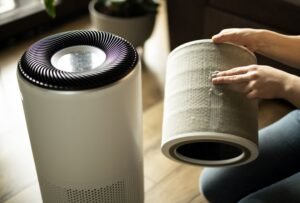
A dirty air filter restricts airflow and can make your HVAC system work harder. During periods of heavy summer use, check the filter regularly and replace it when it becomes dirty.
The Department of Energy specifically recommends routinely cleaning or replacing filters, noting that this can reduce an air conditioner’s energy consumption.
If your AC seems to be running constantly, a clogged filter is one of the first things worth checking.
3. Use Ceiling Fans to Improve Comfort
Ceiling fans don’t actually lower the temperature of a room, but they can make people feel cooler by increasing air movement across the skin.
This means you may be able to raise your thermostat slightly while maintaining a similar level of comfort. Remember to turn fans off in empty rooms because fans cool people, not the room itself.
4. Keep Direct Sunlight Out
Texas sunlight can add significant heat to your home, particularly through windows facing the sun during the hottest parts of the day.
Close blinds, curtains, or shades before the sun heats up the room. Exterior shading, trees, and properly designed window treatments can also reduce unwanted heat gain.
If you’re considering an upgrade, energy-efficient windows can help reduce heating and cooling energy use because windows are a significant source of heat transfer in homes.
5. Check Your Attic Insulation
Your attic can become extremely hot during a Texas summer. If your home doesn’t have adequate insulation, heat can transfer into the living areas below, increasing the cooling demand on your AC.
Improving attic insulation and sealing air leaks can help your home retain conditioned air and reduce unwanted heat entering the house. The Department of Energy recommends attic insulation and air sealing as part of a whole-home approach to energy efficiency.
6. Seal Air Leaks Around Doors and Windows
Cool air can escape through small gaps around doors, windows, plumbing penetrations, and other openings.
Weatherstripping and caulking can help reduce unwanted air exchange. Proper duct sealing is also important because leaks in ductwork can waste conditioned air before it reaches your rooms.
If certain rooms are consistently hotter than others, an HVAC professional can inspect the ductwork and airflow to identify potential problems.
7. Reduce Heat Produced Inside Your Home
During a heat wave, try to avoid adding unnecessary heat indoors.
For example:
- Use the microwave instead of the oven when practical.
- Avoid running heat-producing appliances during the hottest part of the day.
- Turn off unnecessary lights and electronics.
- Use your dryer during cooler parts of the day when possible.
- Keep doors and windows closed while the AC is operating.
These small changes reduce the amount of heat your AC has to remove.
8. Keep Your Outdoor AC Unit Clear
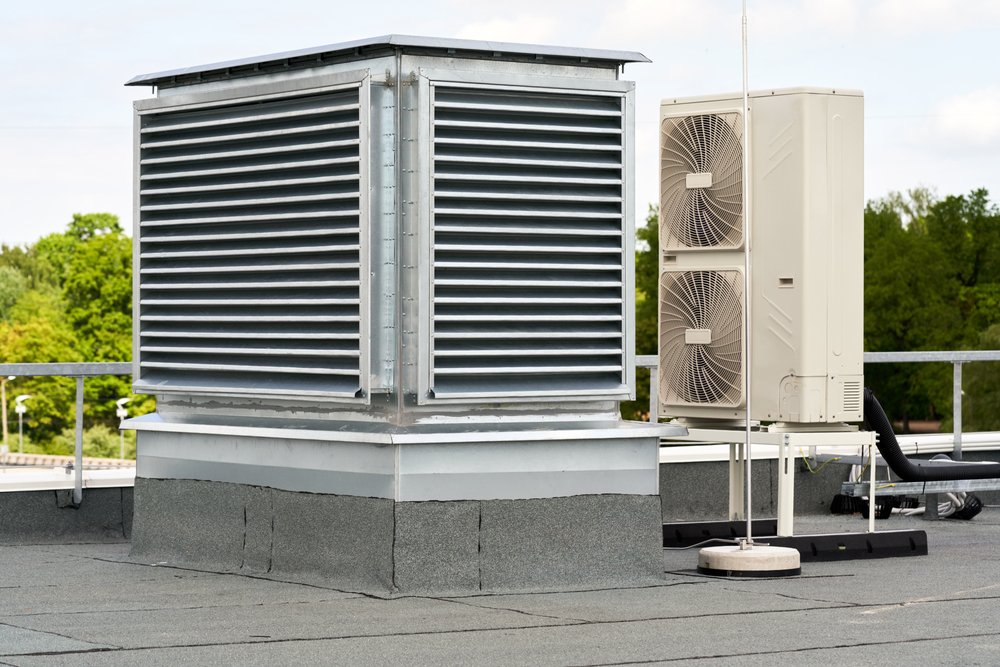
Your outdoor condenser needs adequate airflow to release heat. Keep grass, leaves, branches, and other debris away from the unit.
Don’t place objects directly around the condenser, and make sure the area remains reasonably clear.
If the outdoor coil becomes heavily dirty, professional cleaning may be necessary. Proper maintenance helps an air conditioner operate efficiently during periods of heavy demand.
9. Schedule AC Maintenance Before the Heat Wave
Preventive maintenance is particularly important in Texas because your AC may operate heavily for long periods.
A professional inspection can identify issues such as:
- Restricted airflow
- Dirty coils
- Refrigerant problems
- Electrical issues
- Poor ductwork
- Worn components
- Drainage problems
Addressing smaller issues before they become major failures can help your system perform more reliably during extreme temperatures.
10. Consider Whether Your AC Is Properly Sized
If your AC runs almost constantly but your home still doesn’t reach the desired temperature, the problem isn’t necessarily that you need a larger system.
Oversized and undersized equipment can both create problems. Proper system sizing should consider the home’s characteristics, insulation, windows, ductwork, and cooling requirements.
If you’re replacing an aging system, ask an HVAC professional to evaluate the home rather than automatically installing a larger unit.
11. Is a Heat Pump Worth It in Texas?
If your AC is approaching the end of its useful life, you may also be wondering whether it’s time to consider a heat pump.
For homeowners researching heat pump vs central AC, the key difference is that a heat pump can provide both cooling and heating. Heat pumps transfer heat rather than generating it directly, allowing one system to handle both functions.
When comparing a heat pump vs AC in Texas, homeowners should consider installation costs, energy efficiency, heating requirements, home characteristics, and expected usage.
Questions such as are heat pumps good in Texas, is a heat pump worth it in Texas, and heat pump or AC for Texas depend on the individual home and how the system will be used.
12. Compare Heat Pump and AC Costs Before Replacing Your System
If you’re planning an HVAC replacement, don’t look only at the equipment price.
Compare the expected installation cost, efficiency, maintenance requirements, operating costs, and heating capabilities.
Homeowners researching heat pump vs central AC cost, heat pump vs AC cost, or central AC replacement cost Texas should get a professional evaluation and written estimates based on their specific home.
The heat pump installation cost Texas homeowners encounter can vary depending on equipment, home requirements, installation complexity, and efficiency level.
Similarly, heat pump cost Texas homeowners pay can differ considerably from one installation to another.
13. Think About Long-Term Energy Efficiency
Choosing the right HVAC equipment is only one part of keeping cooling costs under control.
Proper insulation, air sealing, efficient windows, thermostat management, maintenance, and correctly sized equipment all contribute to home efficiency.
For homeowners researching heat pump energy efficiency Texas, heat pump electricity usage Texas, or heat pump cooling Texas, it’s important to consider the entire home rather than looking at equipment efficiency alone.
A heat pump can provide both heating and cooling, while a conventional central AC system is primarily designed for cooling.
14. Know When Your AC Needs Professional Attention
Some AC problems shouldn’t be ignored during a Texas heat wave.
Call an HVAC professional if you notice:
- The AC runs constantly but doesn’t cool the house.
- Some rooms are significantly hotter than others.
- The system repeatedly shuts off and restarts.
- You hear unusual noises.
- The system is leaking water.
- Airflow from the vents is weak.
- Your electricity consumption suddenly increases.
- The system frequently trips a breaker.
Continuing to operate a malfunctioning system can potentially turn a smaller repair into a more expensive problem.
What Is the Best HVAC System for a Texas Home?
There isn’t one solution that works for every house. When comparing the best HVAC system for Texas climate, homeowners should consider the home’s size, insulation, ductwork, budget, heating needs, existing electrical setup, and expected energy use.
A properly maintained central AC can provide dependable cooling, while a heat pump can provide both cooling and heating. Researching heat pump benefits in Texas and heat pump pros and cons Texas can help homeowners understand the differences before making a replacement decision.
If you’re unsure whether your existing system should be repaired, upgraded, or replaced, a professional HVAC evaluation can help identify the most appropriate option.
Final Thoughts
You don’t have to make your AC work harder to stay comfortable during a Texas heat wave. Start with simple improvements such as replacing dirty filters, controlling sunlight, using ceiling fans, sealing air leaks, improving insulation, and maintaining the outdoor unit.
If your system still struggles to keep your home cool, it may be time to have the equipment, ductwork, insulation, and overall cooling load evaluated.
Chrome Air Conditioning can help Texas homeowners identify AC problems and understand their available HVAC options. Whether you need maintenance, repairs, or are considering a new cooling system, professional guidance can help you make an informed decision.
Frequently Asked Questions
How can I keep my house cool without overworking my AC?
Use a reasonable thermostat setting, replace dirty filters, block direct sunlight, use ceiling fans, seal air leaks, improve insulation, and keep the outdoor condenser clear.
Should I turn my AC off during a Texas heat wave?
Completely turning off the AC can allow the home to become extremely hot. Instead, use a programmable or smart thermostat to adjust the temperature when you’re away.
Why is my AC running constantly during Texas summer?
Long run times can occur during extreme heat, but persistent operation may also indicate restricted airflow, poor insulation, duct problems, refrigerant issues, or an undersized or aging system.
Is a heat pump good for Texas?
A heat pump can provide both heating and cooling. Whether it makes sense for a particular Texas home depends on factors such as installation requirements, energy use, existing equipment, and heating needs.
How often should I replace my AC filter?
Check your filter regularly and replace or clean it when it becomes dirty. The appropriate interval depends on the filter and home conditions