5 Signs Your Home May Have Poor Indoor Air Quality
The air inside your home can have a major impact on comfort and everyday living. Dust, pet dander, excessive humidity, odors, and inadequate ventilation can all contribute to poor indoor air quality. Your HVAC system plays an important role in filtering and circulating the air throughout your home.
While many homeowners focus on temperature and energy efficiency, air quality deserves attention too. Here are five common signs that your home may have an indoor air quality problem and what you can do about them.
1. Excessive Dust Around Your Home
If you frequently find dust collecting on furniture, shelves, vents, and other surfaces shortly after cleaning, your indoor air may not be properly filtered.
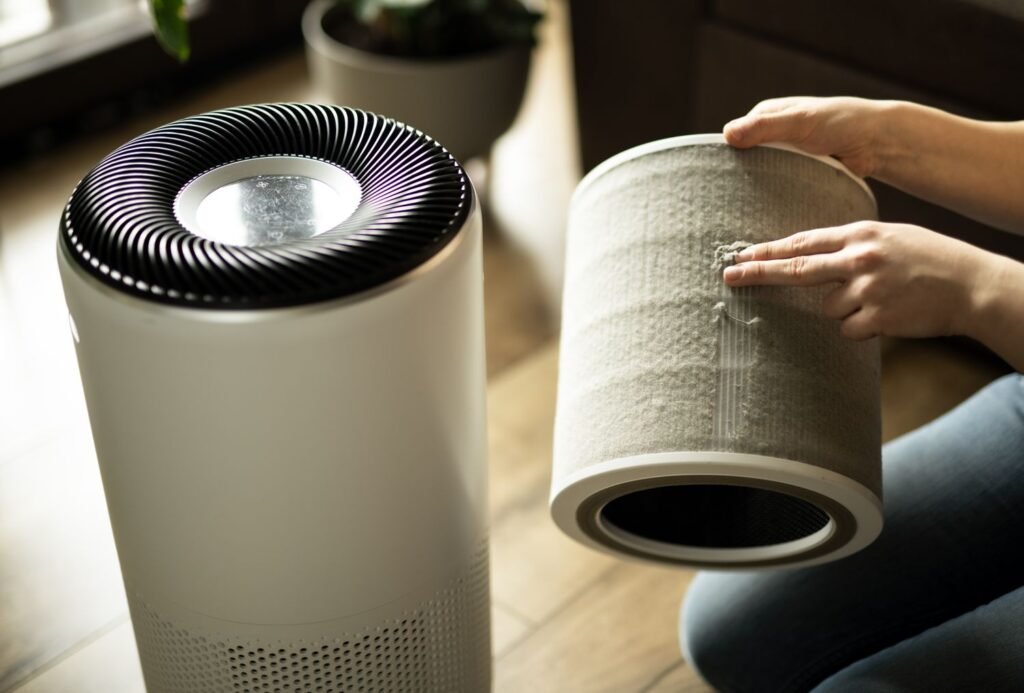
Your HVAC system continuously circulates air throughout the home. When filters are dirty, incorrectly installed, or not capable of capturing smaller airborne particles, dust can continue circulating through your living spaces.
A clean and properly selected filter can help capture dust and other particles before they move throughout the house.
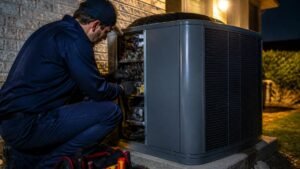
Regular HVAC maintenance is also important. During a professional inspection, technicians can check filters, airflow, ductwork, and other components that influence indoor air circulation.
2. Persistent Unpleasant Odors
A home that consistently smells musty, stale, or unpleasant may have an indoor air quality issue.
Persistent odors can sometimes be associated with inadequate ventilation, moisture, dirty components, or other sources inside the home. A musty smell may also indicate excess moisture that needs further investigation.
Simply covering an odor with air fresheners doesn’t address the underlying problem.
If odors seem to come from your HVAC system, have the equipment and ductwork inspected by a professional. Identifying the source is the first step toward improving the air inside your home.
3. Allergy or Irritation Symptoms Indoors
If you notice more sneezing, coughing, congestion, itchy eyes, or throat irritation when you’re inside your home, airborne particles may be contributing to the discomfort.
Common indoor contaminants can include:
- Dust
- Pollen
- Pet dander
- Mold spores
- Smoke
- Other airborne particles
This doesn’t necessarily mean your HVAC system is the cause, and indoor symptoms can have many possible explanations. However, checking your home’s filtration, ventilation, humidity, and cleanliness can be a useful part of investigating the issue.
For households with pets or significant dust, regular filter replacement can be particularly important.
4. Your Home Feels Too Humid or Too Dry
Humidity has a significant effect on indoor comfort.
Excessively humid rooms can feel warmer and may create conditions that contribute to musty odors and moisture problems. On the other hand, very dry indoor air can cause discomfort such as dry skin, irritated eyes, and a dry throat.
Your HVAC system helps manage temperature and, during cooling, can remove some moisture from indoor air.
If your home consistently feels humid even when the AC is running, there could be an issue with system performance, sizing, airflow, or ventilation.
A professional HVAC inspection can help determine whether your equipment is operating as it should.
5. Uneven Airflow or Stuffy Rooms
Do some rooms feel fresh and comfortable while others seem stuffy, dusty, or difficult to cool?
Uneven airflow can sometimes point to ductwork problems, restricted vents, inadequate return air, insulation issues, or HVAC performance problems.
Your heating and cooling system is designed to circulate conditioned air throughout your home. When airflow is restricted, certain areas may not receive enough conditioned air.
Have your HVAC professional inspect the system if you consistently experience:
- Weak airflow from vents
- Stuffy bedrooms
- Hot or cold rooms
- Excessive dust
- Rooms with unusual odors
- Poor humidity control
How Your HVAC System Affects Indoor Air Quality
Your HVAC system does more than heat and cool your home. It also circulates indoor air, making filtration and airflow important parts of your home’s overall indoor environment.
Several factors can affect air quality, including:
Air Filters
A properly selected and regularly changed filter can help capture airborne particles before they circulate throughout your home.
However, installing an extremely restrictive filter isn’t automatically better. Your HVAC system needs sufficient airflow to operate properly, so it’s important to use a filter that is appropriate for your equipment.
Ductwork
Leaky or poorly maintained ducts can affect airflow and allow unwanted particles into the air distribution system.
If you notice excessive dust, inconsistent airflow, or unusually stuffy rooms, a professional duct inspection may be worthwhile.
Ventilation
Modern homes can be relatively well sealed, which helps with energy efficiency but can also reduce natural air exchange.
Appropriate ventilation can help remove stale indoor air and introduce fresh outdoor air when conditions and the HVAC design allow it.
Regular HVAC Maintenance
Routine maintenance helps keep the system operating properly. A technician can inspect important components, evaluate airflow, check filters, and identify potential problems.
Good maintenance can also help your HVAC system provide more consistent comfort.
What Can You Do to Improve Indoor Air Quality?
If you suspect poor indoor air quality, start with simple steps:
- Replace your HVAC filter regularly.
- Keep supply and return vents unobstructed.
- Control indoor humidity.
- Keep your home clean and reduce dust buildup.
- Address moisture problems quickly.
- Make sure your HVAC system receives regular maintenance.
- Have ductwork inspected if airflow or dust problems persist.
- Consider professional indoor air quality testing when appropriate.
It’s important to remember that not every indoor air problem can be solved by an HVAC adjustment. If you suspect mold, combustion-related pollutants, radon, or another environmental hazard, the appropriate specialist may be needed.
When Should You Call an HVAC Professional?
Consider scheduling an HVAC inspection if your home has persistent odors, inconsistent airflow, unusual humidity, excessive dust, or rooms that remain uncomfortable despite normal HVAC operation.
A professional can evaluate your heating and cooling system and determine whether problems with filters, airflow, ductwork, equipment performance, or humidity control may be contributing to the issue.
Improve Your Home Comfort With Chrome Air Conditioning
Good indoor air quality starts with understanding what’s happening inside your home. Excessive dust, persistent odors, uncomfortable humidity, irritation, and poor airflow can all be reasons to investigate your indoor environment.
Chrome Air Conditioning can help homeowners evaluate HVAC performance, airflow, filtration, and other factors that may affect indoor comfort.
If you’re experiencing signs of poor indoor air quality, don’t simply mask the symptoms with air fresheners or fans. Identifying the underlying issue can help you determine the right solution for your home.
Frequently Asked Questions
What are the main signs of poor indoor air quality?
Common signs include excessive dust, persistent odors, allergy or irritation symptoms, uncomfortable humidity, and stuffy or poorly ventilated rooms.
Can an HVAC system improve indoor air quality?
Yes. Proper filtration, airflow, ventilation, humidity control, and regular HVAC maintenance can all contribute to a more comfortable indoor environment.
How often should I change my HVAC air filter?
The appropriate interval depends on the filter type, HVAC system, household conditions, pets, and other factors. Check the filter regularly and follow the manufacturer’s recommendations.
Why does my house smell musty when the AC is running?
A musty smell can have several possible causes, including moisture, dirty components, drainage issues, or other sources inside the home. A professional inspection can help identify the cause.
When should I call an HVAC professional about indoor air quality?
If dust, odors, humidity, poor airflow, or stuffy rooms persist despite normal cleaning and filter replacement, an HVAC professional can inspect the system and help identify potential contributing factors.