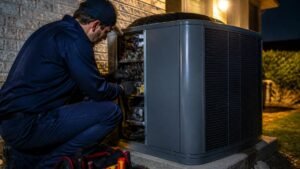
How Texas Heat Affects Your Air Conditioner: Problems Homeowners Should Know
Texas summers are known for intense heat, long cooling seasons, and heavy demand on residential air conditioning systems. When outdoor temperatures stay high for days or weeks, your AC may have to run for hours just to maintain a comfortable indoor temperature. Over time, that extra workload can lead to higher energy bills, reduced cooling performance, and expensive repairs.
For homeowners considering a new HVAC system, understanding how Texas weather affects your equipment is also important when comparing options such as a traditional central AC and a heat pump. If you are researching heat pump vs AC in Texas, knowing how each system handles the state’s climate can help you make a more informed decision.
Why Texas Heat Is Hard on Your Air Conditioner
Your air conditioner removes heat from inside your home and transfers it outdoors. When outdoor temperatures are extremely high, the system has to work harder to release that heat.
During periods of extreme Texas heat, several components can experience additional stress, including the compressor, condenser fan, electrical components, refrigerant system, and blower motor.
If your AC is already aging or has not received regular maintenance, extreme temperatures can expose existing problems and cause a system breakdown.
Common AC Problems Caused by Texas Heat
1. Longer AC Run Times
It is normal for an AC to run more frequently during very hot weather. However, if your system seems to run constantly without reaching the thermostat setting, there may be an underlying problem.
Dirty filters, restricted airflow, low refrigerant, poor insulation, or an aging system can all contribute to longer run times.
Longer cycles also mean more electricity consumption, which can increase your monthly cooling costs.
2. Higher Energy Bills
Texas homeowners often notice significant changes in their electricity bills during the hottest months. An older or inefficient AC may require substantially more energy to provide the same amount of cooling as a newer system.
If you are comparing heat pump energy efficiency Texas options with traditional AC systems, efficiency ratings, home size, insulation, thermostat settings, and equipment condition should all be considered.
Researching heat pump electricity usage Texas homeowners experience can also help you understand how a heat pump may compare with conventional heating and cooling equipment.
3. Refrigerant Problems
Your AC relies on refrigerant to absorb indoor heat and release it outside. If refrigerant levels are low because of a leak, the system may struggle to cool your home.
Common signs include:
- Warm air coming from vents
- AC running continuously
- Ice forming on refrigerant lines
- Reduced airflow or cooling
- Higher electricity consumption
Adding refrigerant without identifying a leak does not solve the underlying problem. A qualified HVAC technician should inspect the system.
4. Compressor Stress
The compressor is one of the most important and expensive components of an air conditioner. Extreme outdoor temperatures can make its job more difficult.
If the compressor becomes overheated or operates under excessive pressure, the system may shut down or eventually suffer serious damage.
Regular maintenance can help identify potential issues before they become major failures.
5. Frozen Evaporator Coils
Although Texas is hot outside, an AC can still develop frozen coils.
Restricted airflow, dirty filters, blower problems, or low refrigerant can cause the evaporator coil temperature to drop too low. Ice can then form on the coil and reduce cooling performance.
If you notice ice around your indoor unit or refrigerant lines, turn the system off and have it inspected.
Could a Heat Pump Be Better for a Texas Home?
Many homeowners researching HVAC replacements eventually compare traditional air conditioning with heat pumps. A common search is heat pump vs central AC, but the comparison requires an important distinction: a heat pump can provide both heating and cooling, while a conventional central AC system provides cooling and typically works with a separate furnace or heating system.
Homeowners researching heat pump or AC for Texas should consider how they currently heat their home, how frequently heating is needed, electricity rates, equipment efficiency, installation requirements, and expected operating costs.
The question are heat pumps good in Texas does not have one universal answer for every home. A properly sized and installed heat pump can provide both heating and cooling, but the right choice depends on the property and the homeowner’s specific needs.
Heat Pump Pros and Cons in Texas
When considering heat pump pros and cons Texas, homeowners should look at both benefits and limitations.
Potential benefits include:
- Heating and cooling from one system
- Efficient operation when properly sized
- No separate furnace required for many installations
- Potentially lower energy use compared with older equipment
Potential considerations include:
- Higher upfront equipment or installation costs in some situations
- Electrical requirements
- Performance differences depending on outdoor temperature and equipment type
- Maintenance requirements
Understanding the heat pump for Texas climate is particularly important before replacing an existing HVAC system.
How Much Does a New System Cost?
Cost is another major consideration when replacing an aging AC. Homeowners may search for central AC replacement cost Texas, heat pump installation cost Texas, or simply heat pump cost Texas.
Actual prices can vary significantly depending on home size, equipment efficiency, installation complexity, ductwork, electrical requirements, and the specific system selected.
Comparing heat pump vs AC cost should therefore involve more than looking at the equipment price alone. Installation, expected energy consumption, maintenance, lifespan, and heating requirements can all affect the overall cost of ownership.
For homeowners specifically comparing heat pump vs central AC cost, getting an evaluation of the existing HVAC system can provide a much more useful estimate than relying on a general online price.
What Is the Best HVAC System for a Texas Home?
There is no single system that is automatically right for every property. When researching the best HVAC system for Texas climate, homeowners should consider:
- Home size and layout
- Existing ductwork
- Insulation and air sealing
- Current heating system
- Electricity and fuel costs
- Equipment efficiency
- Installation requirements
- Expected maintenance
- Long-term comfort needs
For some homeowners, repairing an existing central AC may make sense. Others may benefit from replacing an aging system or considering a heat pump.
Signs Your AC Needs Professional Attention
Call an HVAC professional if your system:
- Blows warm air
- Runs continuously
- Frequently turns on and off
- Makes unusual noises
- Produces weak airflow
- Leaks water
- Develops ice
- Causes unusual increases in energy bills
- Trips the circuit breaker
- Fails to maintain the thermostat temperature
Ignoring these warning signs during a Texas heat wave can turn a relatively small repair into a much more expensive problem.
When Should You Replace Your AC?
If your system is older, requires frequent repairs, struggles to cool your home, or causes unusually high energy bills, replacement may be worth investigating.
Homeowners researching heat pump replacement Texas options can compare a new heat pump with a modern central AC system. Likewise, those asking is a heat pump worth it in Texas should consider the complete picture rather than focusing only on the initial purchase price.
An HVAC professional can evaluate your existing equipment, ductwork, insulation, and cooling requirements before recommending a replacement.
Keep Your AC Ready for Texas Summer
Texas heat puts considerable demand on residential air conditioners, but many problems can be reduced through regular maintenance.
Change or clean your air filter as recommended, keep outdoor equipment clear of debris, maintain adequate airflow around the condenser, and schedule professional inspections before the hottest part of the season.
If your AC is struggling to keep up with Texas temperatures, Chrome Air Conditioning can help identify the cause and explain your repair or replacement options.
Chrome Air Conditioning — reliable HVAC solutions for Texas homeowners.
Frequently Asked Questions
Does Texas heat damage air conditioners?
Extreme heat can increase AC workload and place additional stress on components such as the compressor, condenser, electrical parts, and fan motor.
Why is my AC running constantly in Texas?
Long run times can occur during extreme heat, but constant operation may also indicate restricted airflow, low refrigerant, poor insulation, an undersized system, or equipment problems.
Is a heat pump a good option for Texas?
Heat pumps can provide both heating and cooling and may be suitable for many Texas homes. The appropriate choice depends on the home’s size, insulation, existing HVAC setup, energy costs, and equipment selection.
Should I repair or replace my Texas AC?
If the system is relatively new and the repair is minor, repair may be appropriate. For older systems with repeated failures or poor efficiency, comparing replacement options may be worthwhile.
How can I reduce AC problems during Texas summer?
Regular maintenance, clean filters, proper airflow, thermostat management, and timely repairs can help your system operate more reliably during extreme heat.